
Awarded Artists from May 1, 2026 General Application Deadline
The Studios at MASS MoCA is pleased to announce the awarded artists from our May 1, 2026 General Application Deadline. Each of these artists will receive a two or four-week residency during the January–June 2027 season at the Studios at MASS MoCA.
Congratulations to this season’s Artists:
VISUAL ARTISTS
(funded by the Donald A. Pels Charitable Trust, The Leonard & Ruth Horwich Family Foundation, and an anonymous donor)
Adrian Gomez
Philadelphia, Pennsylvania
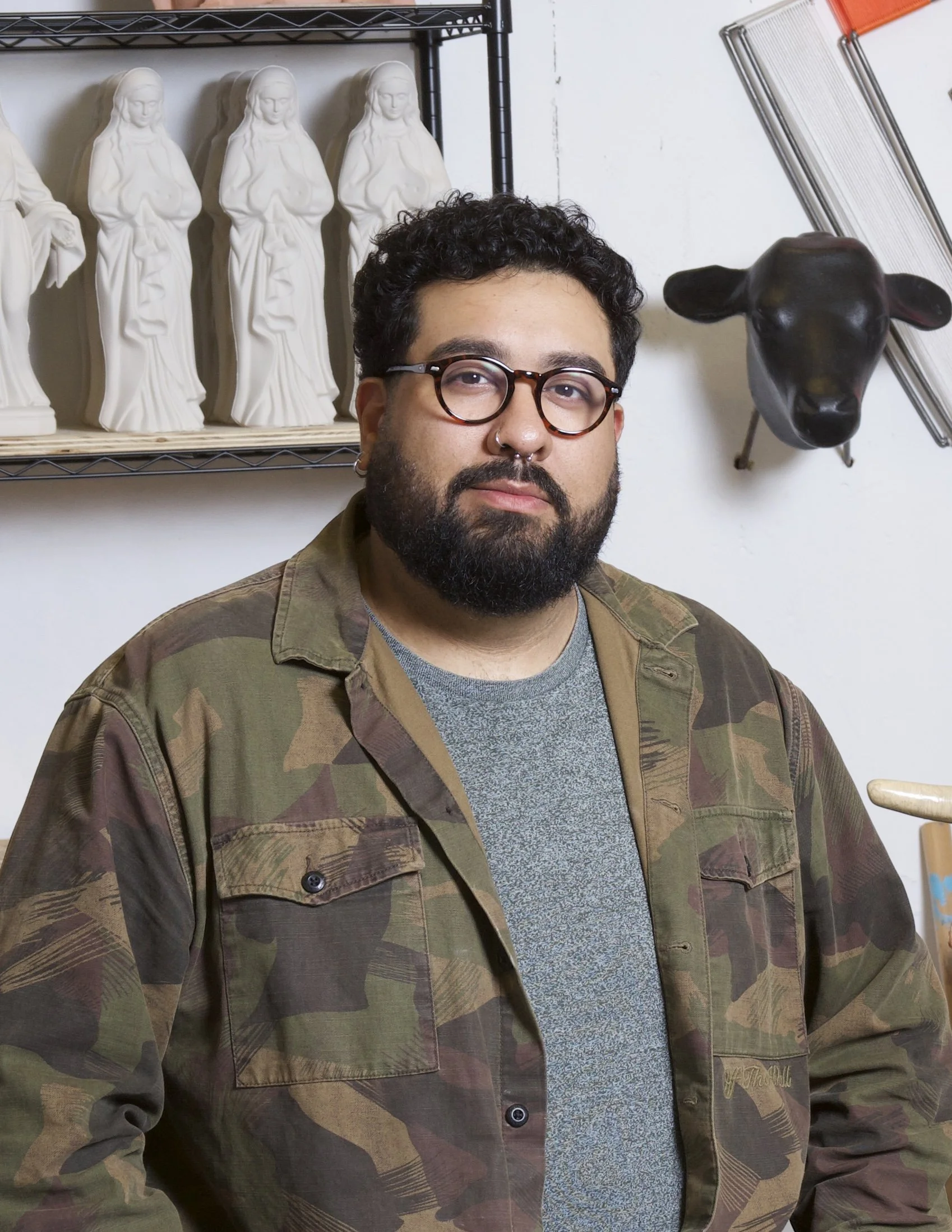
Adrian Gomez (b. 1994, Seattle, WA) is an interdisciplinary artist whose practice examines the complexities of cultural identity, memory, and being a first-generation American. Working primarily through ceramics, Gomez draws from Pre-Columbian motifs, religious iconography, and culturally significant objects to create sculptural works that navigate personal history, inherited loss, and the cyclical nature of labor. His objects operate as fragments of lived experiences, bringing together histories, symbols, and forms that have been carried across generations.
Gomez’s practice continues to consider how cultural objects accumulate, transform, and lose meaning as they move between histories, landscapes, and contemporary contexts. Through processes of alteration and replication he reimagines familiar forms as vessels for questions surrounding displacement, commodification, and belonging. Although rooted in clay, his practice continues to expand into metal, sound, and video, allowing him to explore how material image can hold, distort, and transmit cultural memory.
Gomez earned his MFA in Ceramics from the University of South Florida(2025), and holds a BFA in Ceramics from the University of Washington. Having previously been an resident artist at Pottery Northwest(2020-2022) he is currently a long term Resident Artist at The Clay Studio in Philadelphia. He was also recently announced as the (2026-2027) Artist in Residence at the Latinx Projects at NYU. His work has been exhibited nationwide, most recently at the John and Mable Ringling Museum of Art, Tampa Museum of Art, and USF Contemporary Art Museum.
Candace Caston
Atlanta, Georgia
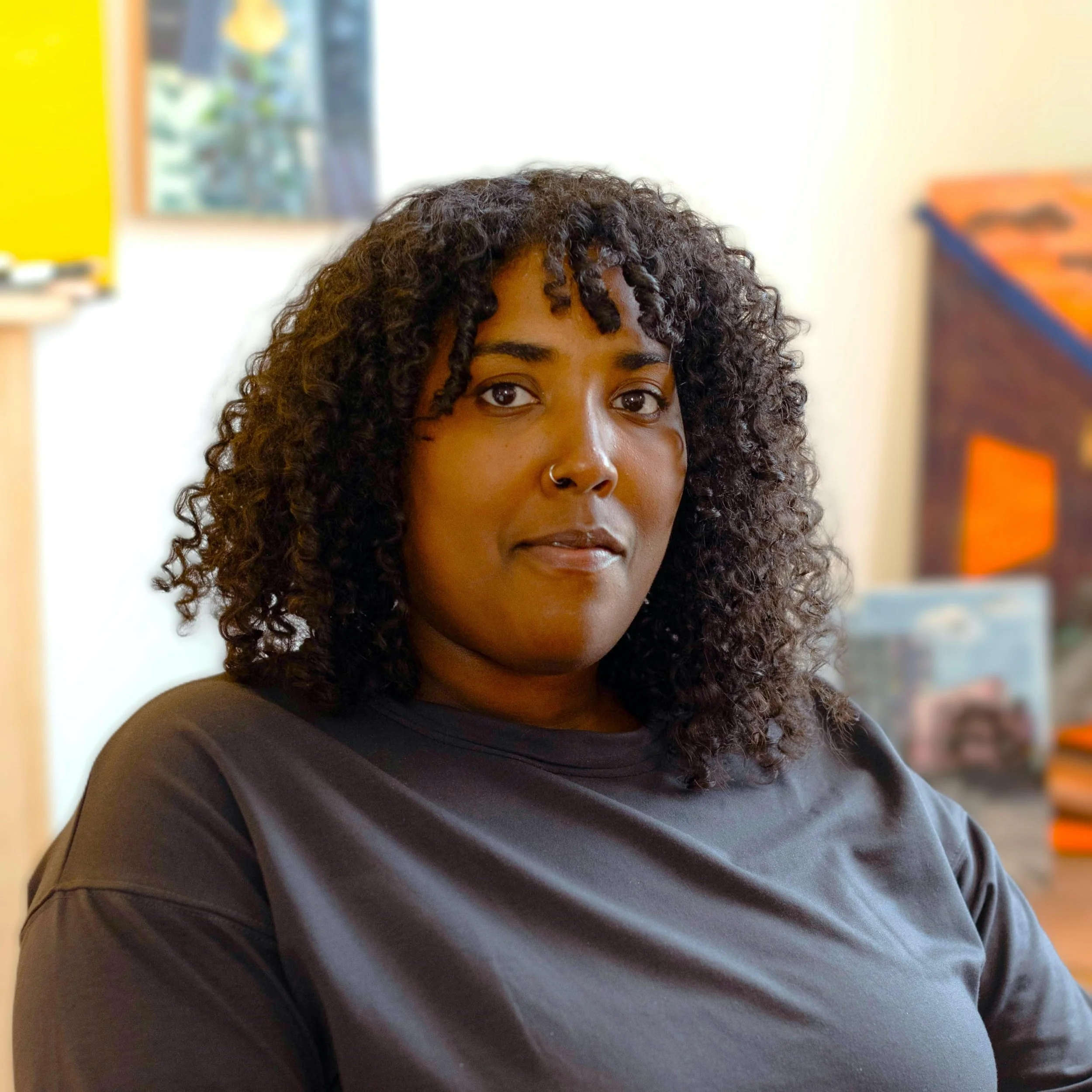
Candace Caston b. 1992 in New Orleans, Louisiana received her BFA from the Savannah College of Art and Design in Atlanta. In her work she uses primarily paper and water based media to explore the memory of place. Candace has most recently exhibited at Tanya Weddemire Gallery, The Goat Farm, Tennessee Gallery, The Atlanta Contemporary, UTA Artist Space, and the CICA Museum. She was a 2024- 25 Leap Year Fellow and her work was published in the 2024 summer issue of Oxford American Magazine. Candace lives and works in Stonecrest, Georgia.
“My work is an archive of remembered locations. I recall and record segments of the home, vehicle, and surrounding areas, drawing reference from my present-day environment, dreams, and memories of my childhood home. I construct these narrative scenes using collage materials and water-based media, working from both memory and observation. I use paper and paint to layer images and textures to assemble the contents of a room or outdoor setting. During my collage process, I am recalling the quality of the remembered experience, and including objects, lighting, temperature, and the subtleties that come together to explore the memory of a place.”
claudia hermano
albuquerque, new mexico
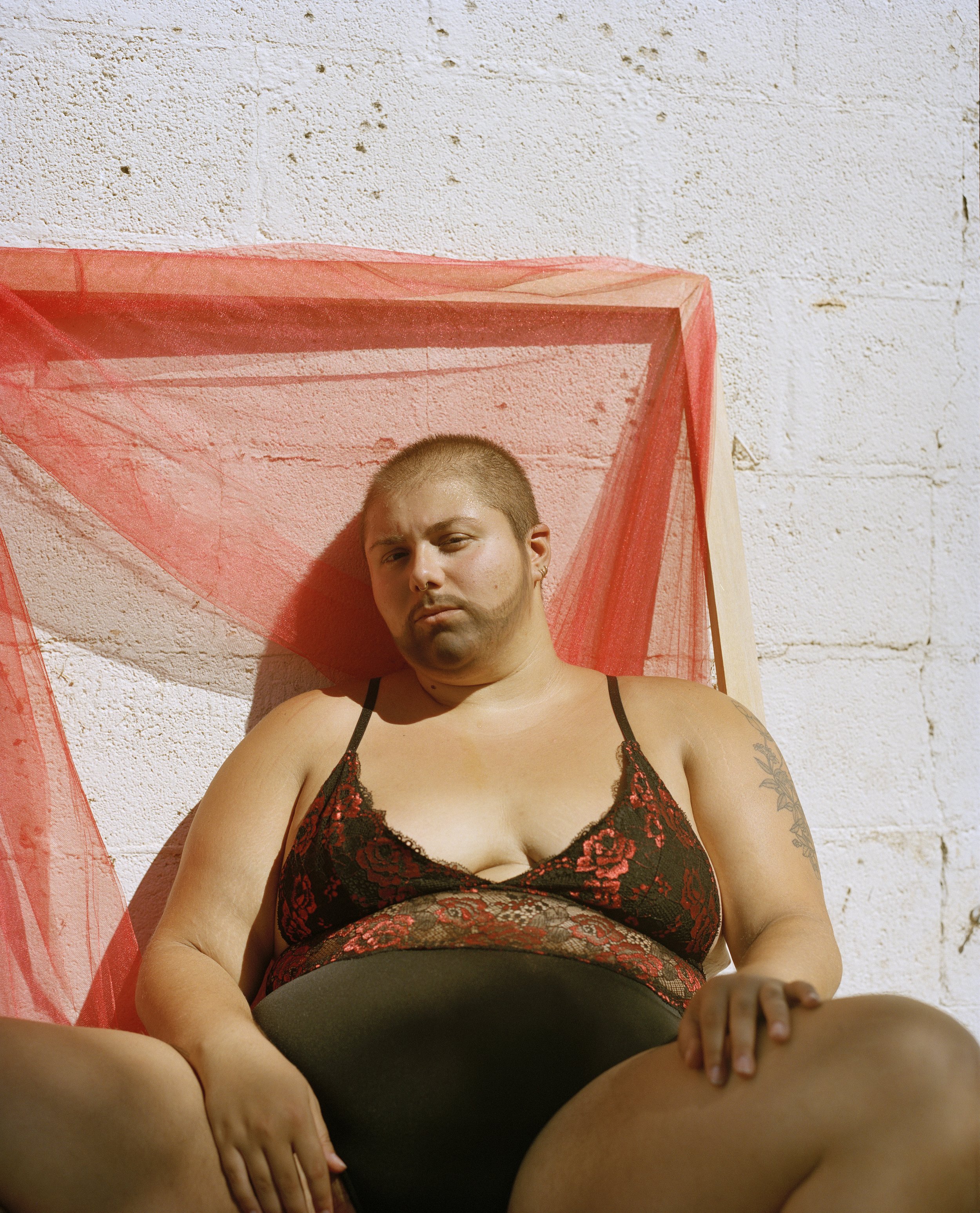
Photo by h widmayer.
claudia hermano (they/them) is a trans non-binary Filipino-American artist and educator working primarily in photography, with a practice that extends into book arts, sculpture, and performance. Their work explores the intersections of embodiment, belonging, and representation, with a focus on queer, fat, and mixed-race identities.
hermano was born in New York and spent their childhood moving between New York, California, Texas, and Massachusetts. They hold a BA in Photography from Hampshire College (rip) and an MFA in Studio Art from the University of New Mexico. They currently reside in Albuquerque, NM on unceded Tewa land, where they work as Graduate Studios Manager and Adjunct Faculty at the University of New Mexico.
danielle hatch
Bentonville, Arkansas
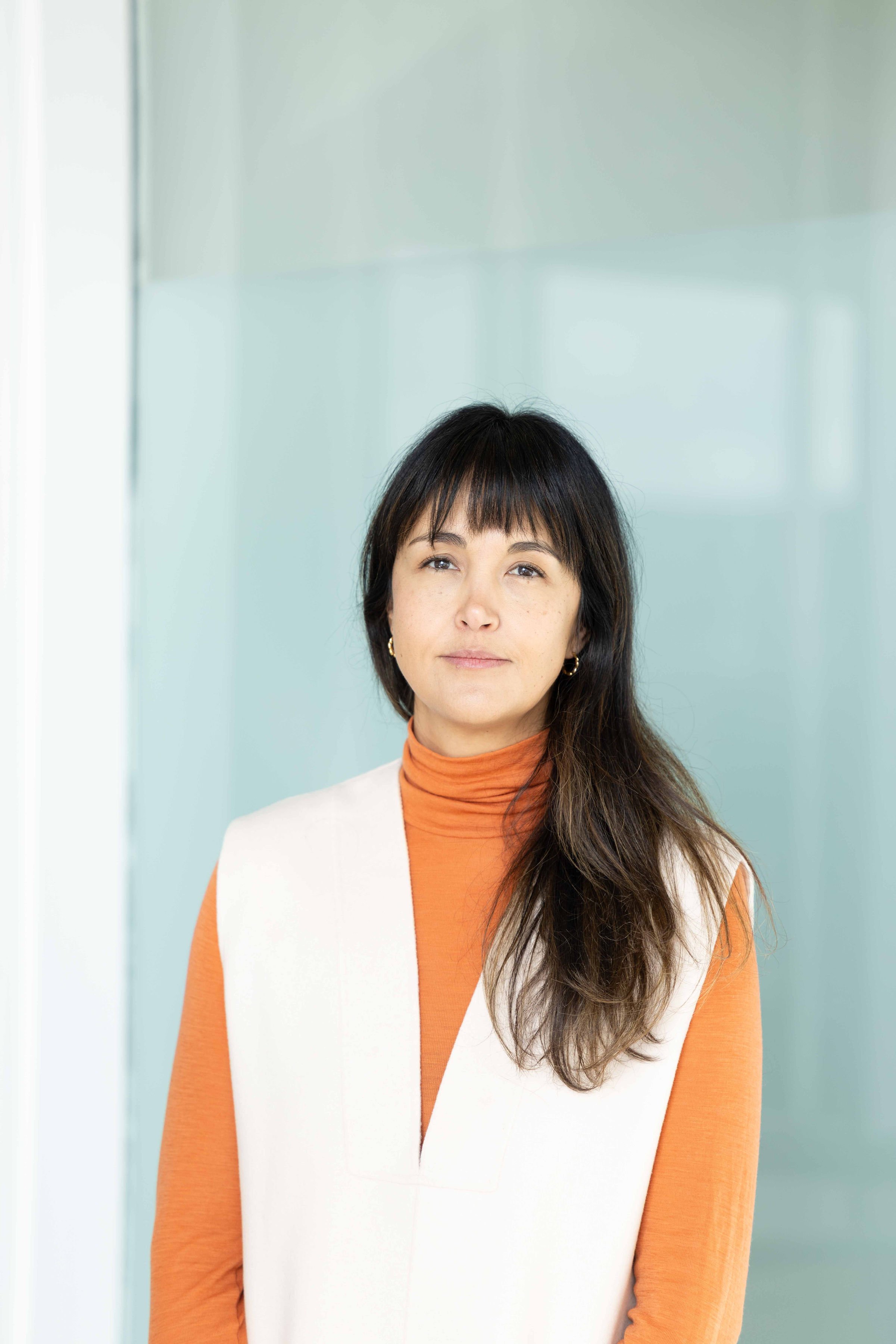
Danielle Hatch is an interdisciplinary Peruvian American artist based in the Arkansas Ozarks. Born and raised in Southern California, she received her BA in Architecture from Wellesley College and MFA in Spatial Studies from UC-Santa Barbara. She currently teaches at the University of Arkansas.
In her site specific installations, sculptures, and performances, Hatch makes women’s lived experiences and aesthetic interventions into the built environment visible beyond traditionally domestic spaces. She applies the techniques of quilting and other needlework, often on a monumental scale, to create biomorphic designs that contrast the sometimes harsh, inorganic geometry of contemporary architecture.
Hatch is a Creative Capital State of the Art Prize Recipient and has been selected for residencies at MacDowell, Sculpture Space, The Edward Albee Foundation, and The Momentary. Her work has been exhibited across the U.S. and internationally, including at the 19th Venice Architecture Biennale (2025), the AD&A Museum in Santa Barbara, CA, the Gregg Museum of Art and Design in Raleigh, NC, Crystal Bridges Museum of American Art in Bentonville, AR, Mid-America Arts Alliance’s Culture Lab in Kansas City, MO, and the Tephra ICA Arts Festival in Reston, VA.
Guillermo Mena
Buenos Aires, Argentina.
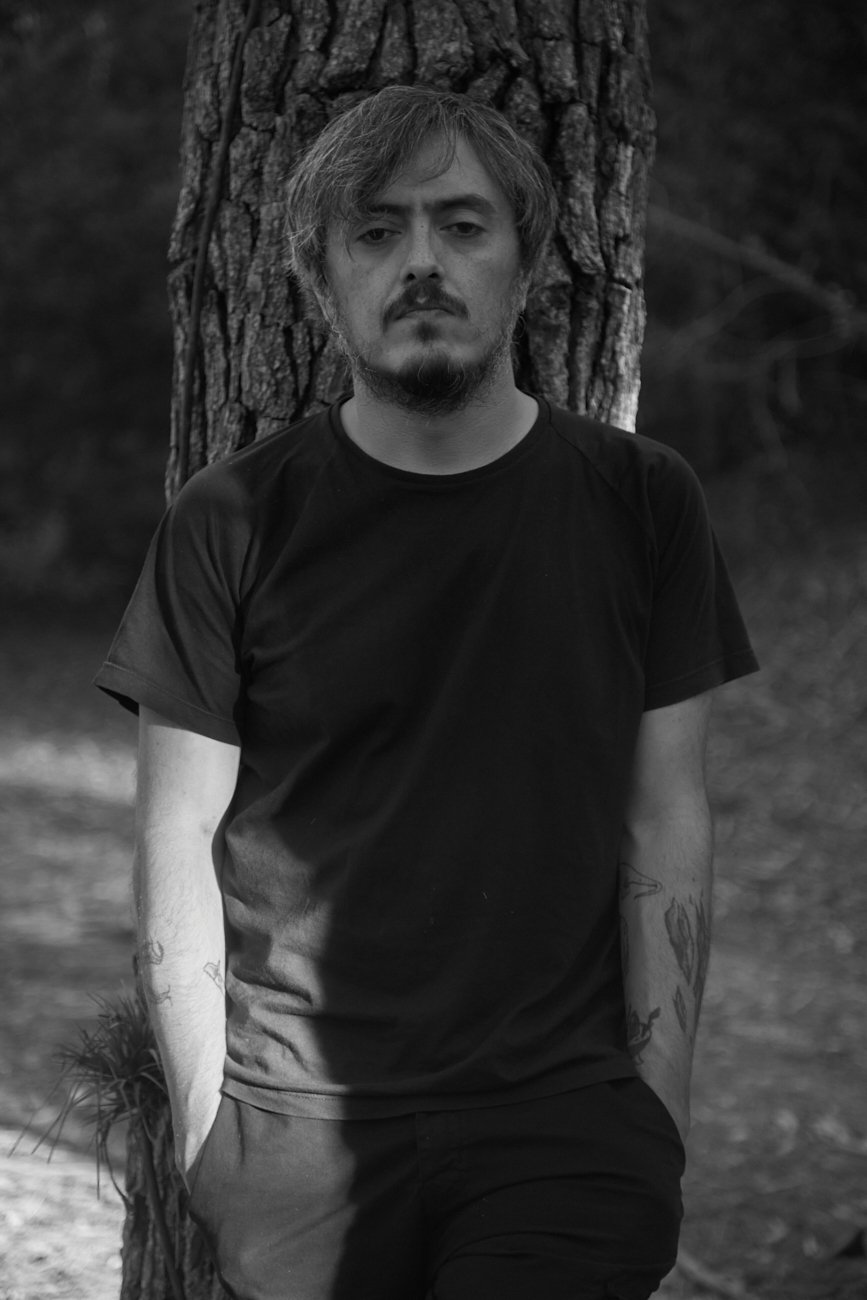
Photo by Natasha Ygel.
Guillermo Mena was born in Los Cóndores, Córdoba, Argentina, in 1986. He holds a degree in Visual Arts from the Libero Pierini Fine Arts School in Río Cuarto (2011) and a Graphic Design degree from Universidad Siglo 21 in Córdoba (2008).He has exhibited extensively in galleries and museums across Argentina, including the MAR Museum in Mar del Plata, the Caraffa Museum in Córdoba, the Genaro Pérez Museum of Fine Arts, the Gachi Prieto gallery, and the René Bruseau Museum in Chaco. In 2021, he had a solo exhibition at Wellesley College in Massachusetts, USA.
His work is held in private and public collections internationally.
He has received the FNA (Argentina National Fund for the Arts) on four occasions and has attended international residencies at prominent institutions such as the Banff Centre in Canada, SIM Residency in Iceland, and Solanas Art Experience in Uruguay, as well as residencies in Italy, Ireland, Spain, and Argentina.
With a nomadic practice, Mena reflects on belonging and uprootedness through drawing. His work explores atmospheric phenomena and geological catastrophes—real or imagined—as nostalgic speculations on the present and future, linked to science fiction and the perception of inhabited landscapes. Through an intimate dialogue with materiality, his practice spans large-scale installations, works on paper, performative actions, and new media, establishing a dynamic around transience, displacement, and nostalgia.
Alongside his studio practice, he has worked on international film projects as an animator and animation director, notably the series 4 Feet High, which screened at the Sundance Film Festival in 2021, the Venice Biennale, and won the Jury and Audience Award at the SXSW Film Festival.
He currently lives and works in Buenos Aires, Argentina
maggie thompson
Minneapolis & St.Paul, Minnesota
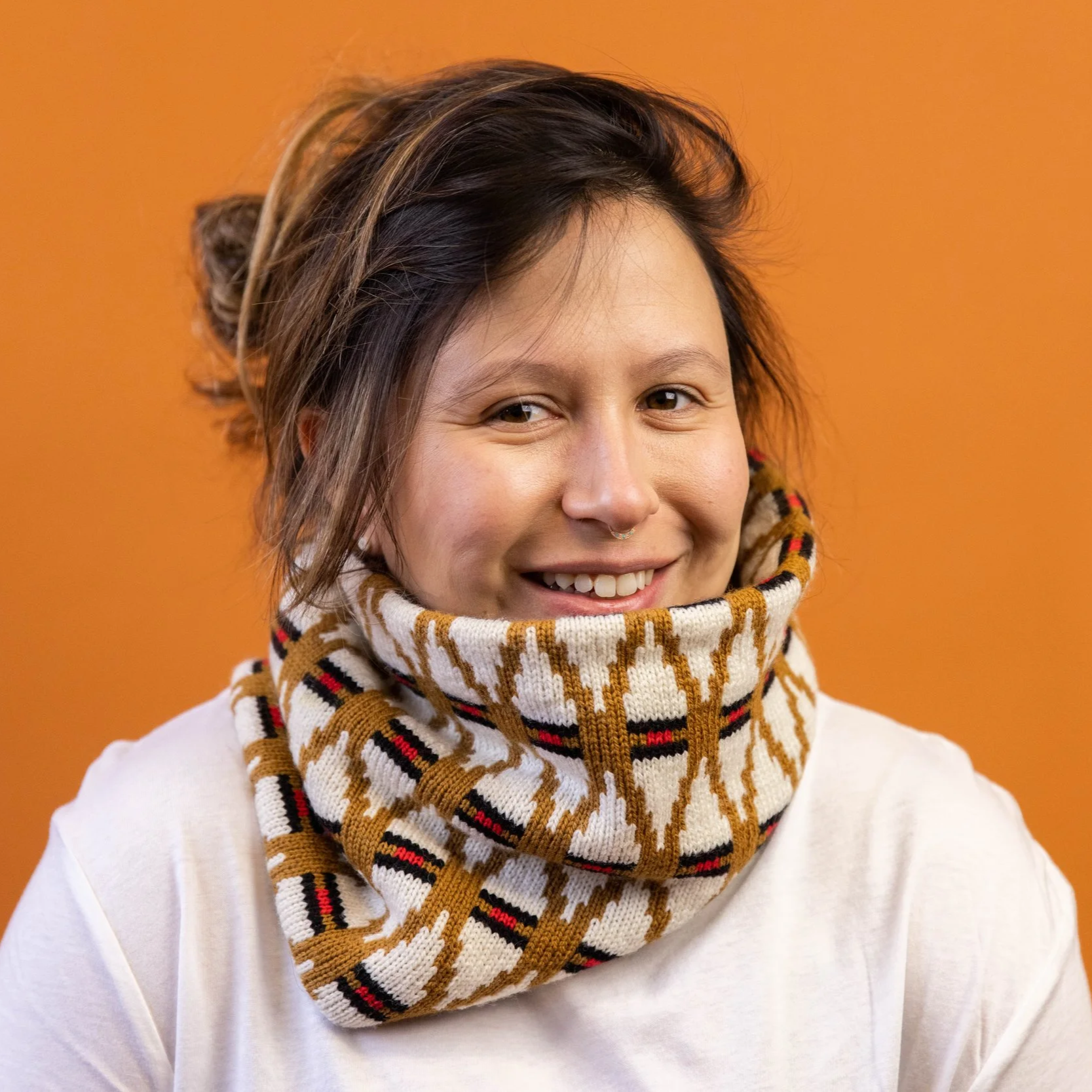
Photo by Jaida Grey Eagle.
Maggie Thompson (Fond du Lac Ojibwe) was born and raised in Minneapolis, MN. She received her Bachelor of Fine Arts in Textiles at the Rhode Island School of Design (RISD) in 2013. As a textile artist and designer she derives her inspiration from family history, Ojibwe heritage and the broader Native American experience. Skillfully and intuitively working with both natural and synthetic materials, Thompson’s multimedia artwork expands various textile traditions’ inherited ways of being and becoming.
Thompson had her first solo exhibition Where I Fit at All My Relations Gallery in Minneapolis in 2014, and was most recently included in the 2026 exhibition Hold to This Earth at Yorkshire Sculpture Park. Recent solo exhibitions include Encounters, Bockley Gallery, Minneapolis, MN (2026) and Interactions, Museum of Contemporary Art, Santa Fe, NM (2025). She has exhibited in numerous group exhibitions including Shape of Power: Stories of Race and American Sculpture at the Smithsonian American Art Museum, the 2023 Renwick Invitational, the Center for Craft, the Plains Art Museum, Minnesota Textile Center, Walker Art Center, Detroit Institute of Art, and Minneapolis Institute of Art.
Thompson has been awarded grants and awards, including the All My Relations and Bockley Gallery Jim Denomie Scholarship, Jerome Foundation Jerome Hill Artist Fellowship, and First Peoples Fund Seeding Cultural Treasures and Business Leadership Grants. Others have been awarded from the Minnesota State Arts Board and the Native Arts and Cultures Foundation. Her work is collected by the Kemper Museum of Contemporary Art, Minneapolis Institute of Art, the Minnesota Museum of American Art, Minnesota Historical Society, North Dakota Museum of Art, Hood Museum, Tia Collection, and Field Museum, among others.
Marina Peng
St. Louis, Missouri
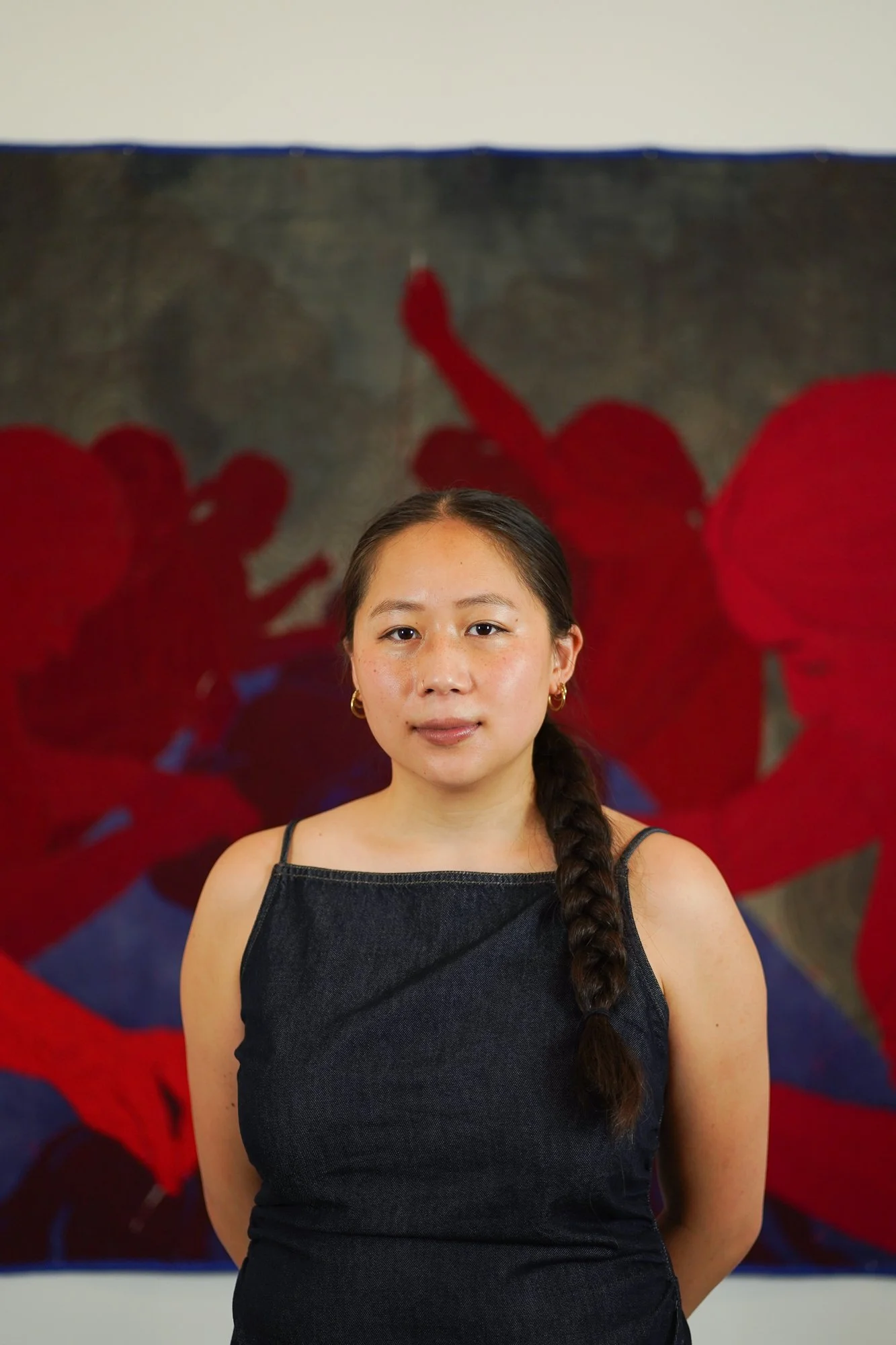
Marina Peng (b.1995, Baton Rouge, LA) is a visual artist based in St. Louis, MO. In her practice, she examines her position as a second-generation American in the Midwest. She explores the cultural dissonance that arises within this position by depicting the cycles that exist within her family, dual cultures, and herself. Her work seeks to illustrate how patterns form across generations. Peng received her BFA from Washington University in St. Louis. She has exhibited her work at spaces including ACRE Projects, Duane Reed Gallery, G-CADD, Goldfinch, The Kranzberg, The Luminary, Stove Works, and Galerie Shibumi. Past residencies include ACRE, Caldera Arts, Elsewhere, the Hambidge Center, Otis College of Art & Design, Stove Works, the Vermont Studio Center, and the Wassaic Project. She has been awarded a Foundation for Contemporary Arts Emergency Grant, Puffin Foundation Grant, and Vermont Studio Center Fellowship. In addition to her practice, she is a co-organizer of PSA:, a citywide public art initiative in St. Louis.
nahyun kim
Hwaseong-si, Gyeonggi-do, South Korea
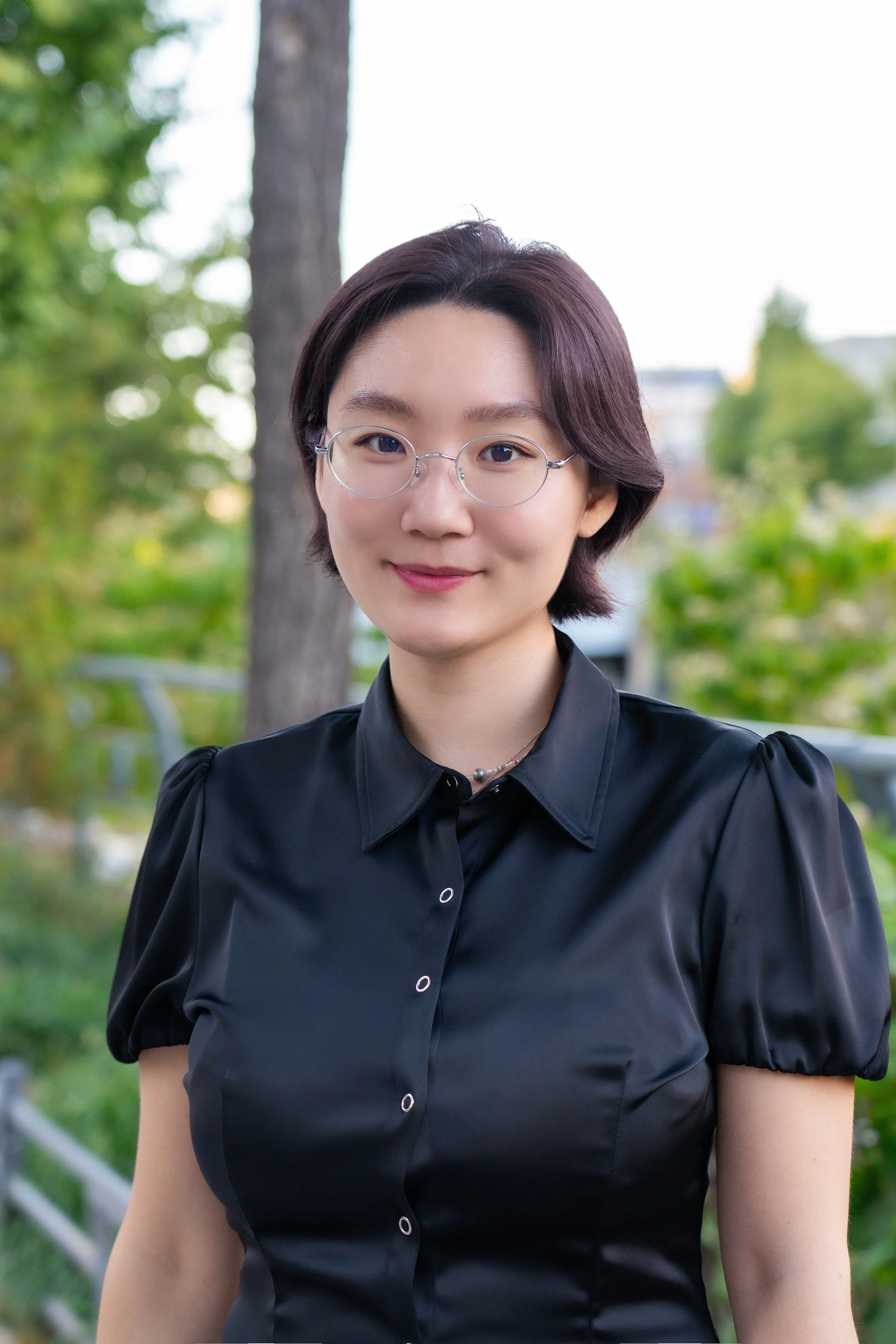
Photo by Seonghyun Kim.
Nahyun Kim is a Korean transdisciplinary artist and educator based in South Korea and Providence. Grounded by trans-Pacific feminist/queer/BIPoC praxis, she creates spaces for queer futures beyond survival, using research, installation, performance, social/community engagement, publishing, and teaching.
Her current and ongoing project, Cutting Fruit (2024~), invites folx to nurture communities based on reciprocal acts of service to enhance our collective well-being. The project includes a zine based on artist research; a series of performance lectures and workshops combined with communal cooking, dining, and seed starting.
A Fulbright grantee, Kim holds a BFA in Painting from Sejong University and an MFA in Sculpture from the Rhode Island School of Design (RISD). She has created socially engaged art projects funded by the GyeonGi Cultural Foundation (Gyeonggi, KR), RISD (Providence, RI), Arts Council Korea (Seoul, KR), and Incheon Foundation for Arts & Culture (Incheon, KR).
Tadeo Muleiro
Buenos Aires, Argentina

Tadeo Muleiro is a visual artist based in Buenos Aires, Argentina. His practice operates at the intersection of textile sculpture, installation, and performance, through the construction of soft structures and activatable bodies that explore the relationships between matter, body, space, and movement.
He primarily works with fabric, foam, and paint through processes of manual experimentation, repetition, and transformation. His works are not conceived as fixed objects, but as mutable structures capable of acquiring new forms and meanings through interaction, use, and performative activation. In this sense, the body functions simultaneously as material, tool, and a space for encounter.
His research draws on ancestral Latin American imaginaries, posthumanist perspectives, and approaches to vegetal and more-than-human worlds. From these intersections, he develops hybrid entities that operate as narrative and spatial devices, capable of creating immersive situations and activating collective experiences. His work seeks to blur the boundaries between human and non-human, sculpture and performance, and the individual and the collective.
Muleiro holds a degree in Visual Arts from Universidad del Museo Social Argentino (UMSA) and teaches sculpture at Universidad Nacional de las Artes (UNA). He has participated in international artist residencies, including McColl Center in the United States, as well as programs in Finland, France, Morocco, and Belgium. In 2025, he presented the solo exhibition Suavidad y Color del Mito at DIMAD, Matadero Madrid. His work has also been exhibited at the Museum of Latin American Art (MOLAA) in the United States and at fine arts museums in Argentina. In 2012, he received a National Fellowship from the Fondo Nacional de las Artes.
Tara reed
New York City, New york & Mexico City, Mexico
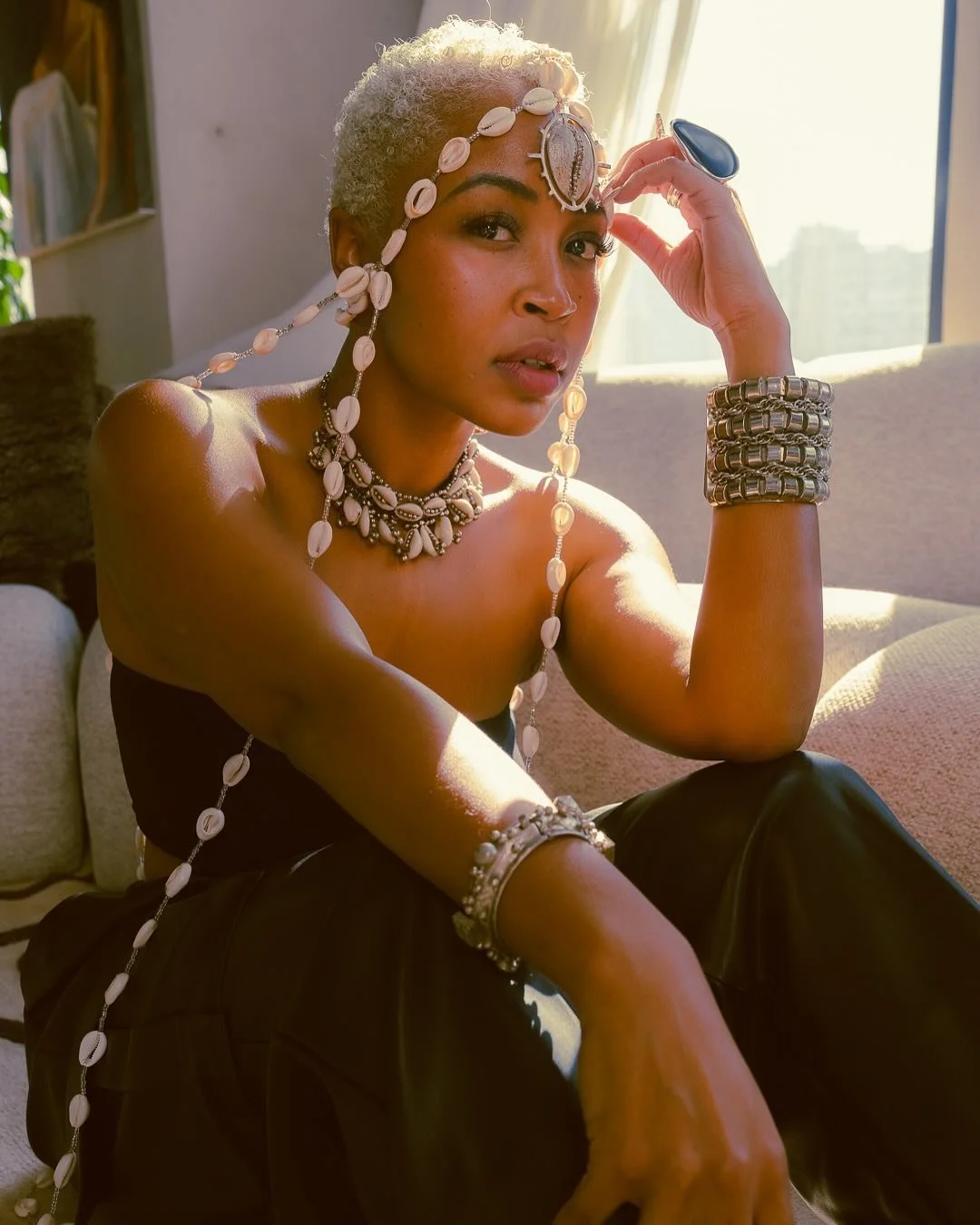
Tara Reed is a textile sculpture & installation artist whose practice begins with worldbuilding: she writes Afrofuturist stories and brings them to life through textile sculpture. Her practice is supported by the New Museum (NEW INC) and MASS MoCA, where she is an artist-in-residence.
Tara’s work blurs the lines between fashion and sculpture. Inspired by genre-defying artists like Nick Cave and Iris van Herpen, who expand what a garment can be, Tara is drawn to garment-based sculpture because it invites viewers to think about embodiment: you can literally imagine yourself inside the art. Tara uses that imaginative leap to place viewers inside the speculative stories of her sculptures.
Tara’s recent body of work imagines a speculative future where humans have damaged the air beyond repair. Survivors split into two social groups: preservers and evolvers. Eventually, scientists discover why their calculations failed to predict the collapse. Their models relied only on what they could easily measure and inadvertently left out embodied intelligence: the hard-to-describe knowledge we carry about how to live in partnership with Earth & each other.
Tara’s new textile sculptures imagine humans uploading their embodied intelligence into a living archive. The work asks: What kinds of embodied intelligence live in our cultures and bodies? What happens when embodied intelligence is understood as technology?
Zahra Almajidi
Detroit, Michigan
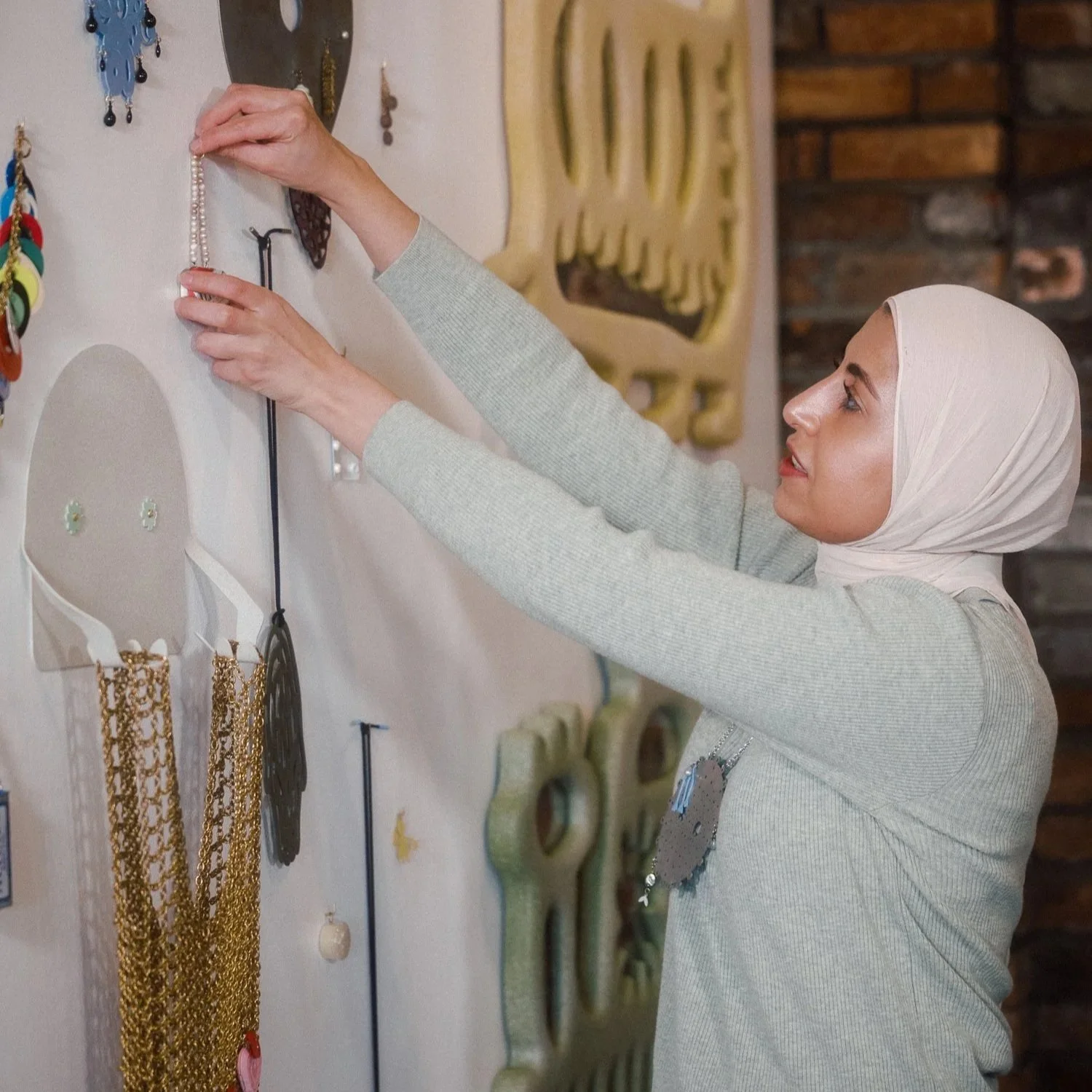
Photo by Brian Romero.
Zahra Almajidi is a visual artist and metalsmith raised and based in Detroit, MI. Utilizing both traditional metalsmithing techniques and CAD/CAM processes, her work explores the ways in which objects and adornment allow displaced people to continue to uphold and practice their craft traditions while living in the diaspora.
She has worked at several art fabrication spaces in Metro Detroit including Wayne State University where she received her BFA in Metalsmithing, Lawrence Technological University where she briefly served as shop co-manager, and Cranbrook Academy of Art where she received her MFA in Metalsmithing and was awarded the Cranbrook Art Director’s fellowship and the Director’s Award.
She has taken part in the 2021 Incubator Residency program at Talking Dolls Detroit, the Artist + Residents Program at the Arab American National Museum in 2021, and the Winter Residency program at Penland School of Craft in 2024. She’s also dedicated to maintaining an active studio practice and regularly exhibits work.
She is currently the Central Materials Lab Coordinator at Cranbrook Academy of Art.
Zahra Safaverdi
philadelphia, Pennsylvania
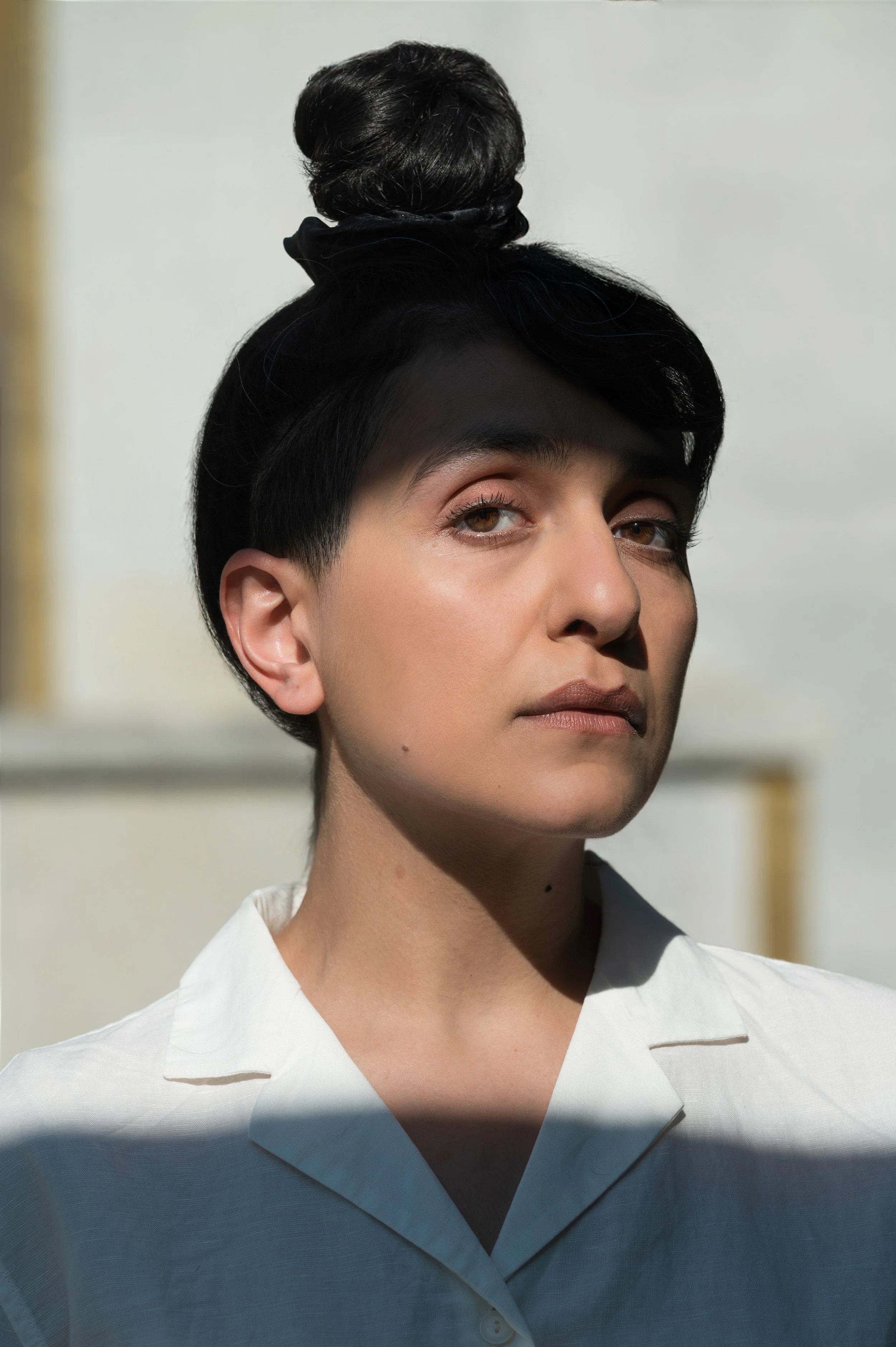
Formally trained as an architect, Zahra Safaverdi works across research‑intensive spatial design, object making, time‑based media, and visual art. Her trans-disciplinary practice explores design methodologies as a form of world building, bringing disparate historical, geographical, and geological points into closer proximity and materializing the forces of human actors and more‑than‑human agents that often remain invisible. Her work spans analog and digital processes in both ideation and fabrication, resulting in multi‑scalar installations that incorporate videos, 3D projection mapping, drawings, and fabricated objects. Many projects take scientific phenomena as a point of departure, building narratives that are visualized, materialized, and spatialized to make complex or lesser known systems more perceptible. Her ongoing research and creative practice have received support from Harvard University, the Macdowell, the Pulitzer Arts Foundation, the Boghossian Foundation, the Lambert Art and Culture Program, and the Sam Fox School of Design and Visual Arts at WashU. Her writing and projects have been featured in the Journal of Architectural Education, Journal of History of Ideas, The Kenyon Review, OBL/QUE, Platform, Acadia, Crop, and Archinet, among other publications in print. Her work has been the recipient of numerous awards, including an AIA design award, ACSA Architecture Education award, Harvard GSD’s James Templeton Kelley thesis prize, and has been featured globally in Austin, Berlin, Boston, Cambridge, Chicago, Houston, Kent, Knoxville, Locarno, Los Angeles, Lubbock, Madrid, Manchester, Mexico City, New Orleans, New York, Saint Louis, San Louis Obispo, Vancouver, and Venice.
Writers
(funded by the Donald A. Pels Charitable Trust,The Leonard & Ruth Horwich Family Foundation, and an anonymous donor)
Elizabeth Austin
Newtown, Pennsylvania
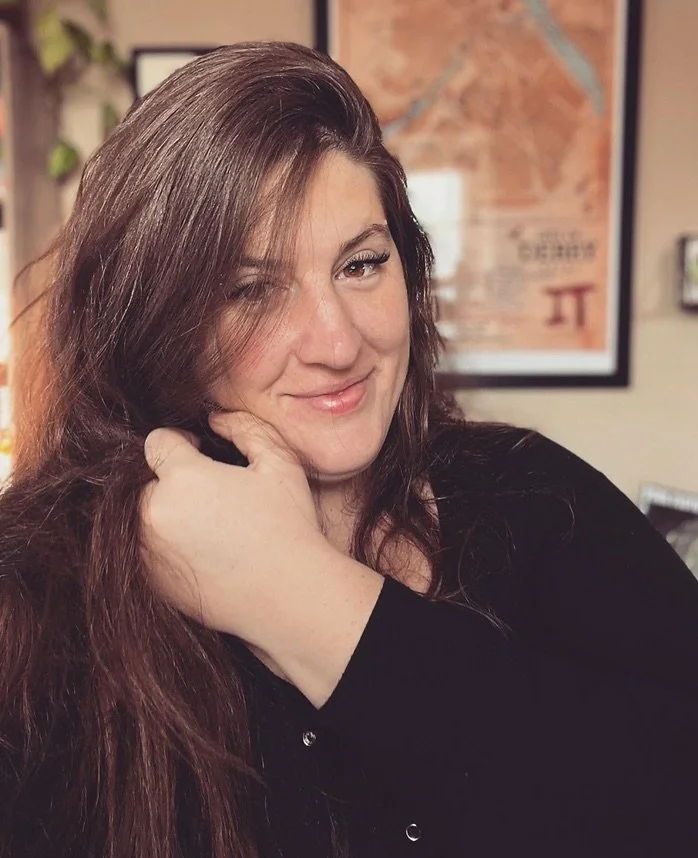
Elizabeth Austin is an essayist, screenwriter, and educator. She holds an MFA from Vermont College of Fine Arts and has received support from Sewanee, Hedgebrook, and LAMBDA. Her work has appeared in The New York Times, Harper’s BAZAAR, Time, Electric Literature, The Rumpus, McSweeney’s, and elsewhere. She is working on her first book, a memoir about being a good mom. When she’s not writing she’s collecting passport stamps with her teenagers, touring historic cemeteries, spending phone-free weeks in Maine, and watching Eagles games. She lives outside of Philadelphia with her two teenagers, their Newfoundland Numa, three cats, and a tarantula.
Mathilde Piton
Somerville, Massachusetts
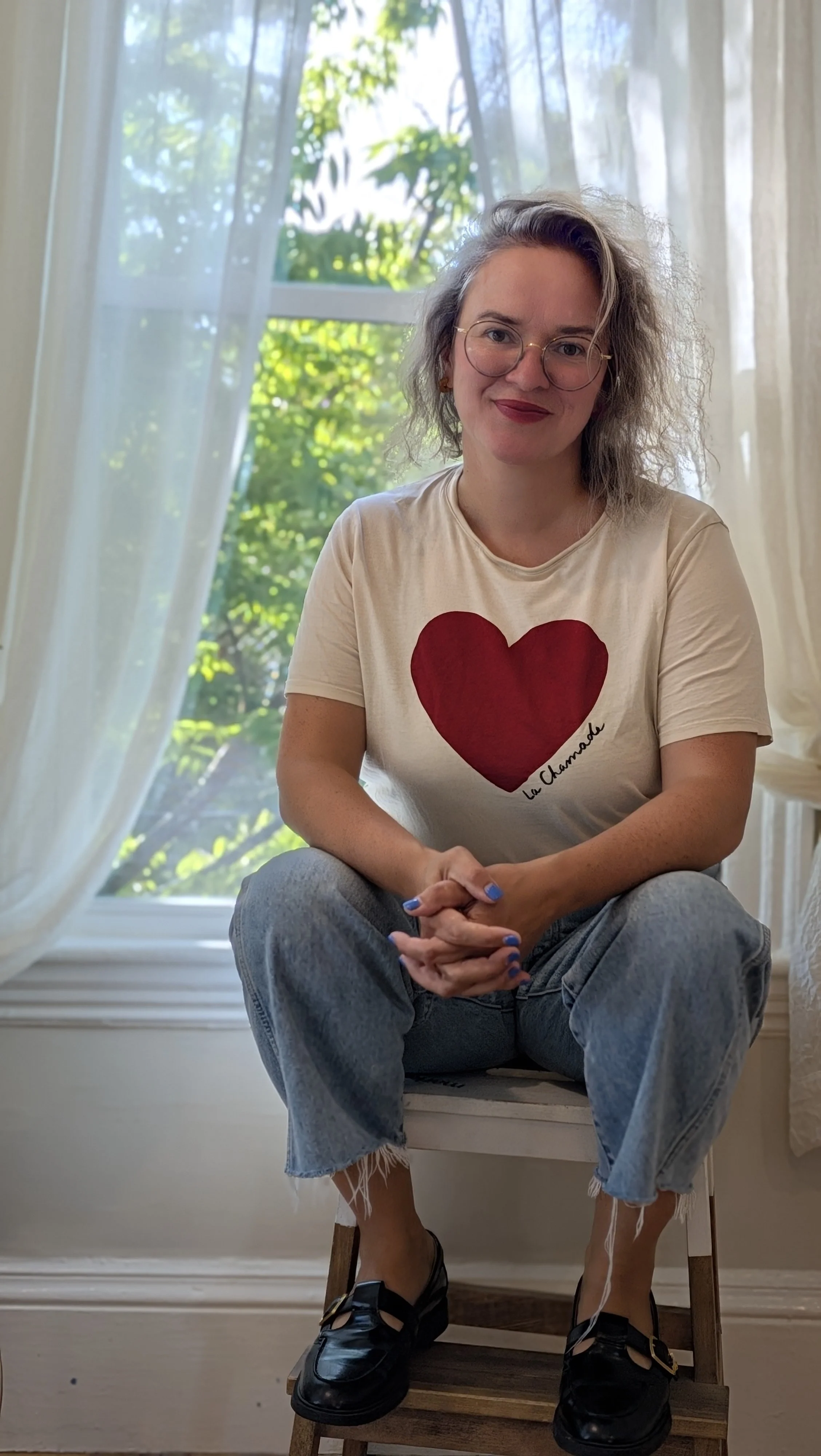
Mathilde Piton was born in France, and moved to Massachusetts in 2012. She writes nonfiction and fiction, both in French and English. Her work explores belonging, motherhood, and anxiety.
She published fifteen mainstream books in French about cooking, yoga, and travel before turning to personal writing. Her first memoir, Broken Pussy, Trentenaire décomplexée veut un bébé désespérément, about loneliness during infertility, was published by Éditions Larousse in September 2025. Her work in English has appeared in the Boston Globe, Cognoscenti (WBUR), and Mutha Magazine.
Her writing practice is rooted in introspection, with daily journaling and free writing providing a foundation for her personal essays. Her process is also collaborative: she has built a community of peers through GrubStreet in Boston. In her fiction, she turns to speculative literature with a hint of horror, a genre that allows her to explore deeper, and scarier, emotional truths. While nonfiction has been her primary focus, she is currently working on a short story collection that explores the fears and anxieties of the early years of motherhood.
She is a graduate of GrubStreet’s Essay Incubator and Short Story Collection Builder programs and an active volunteer with Tell-All Boston, a biannual reading series where writers share true stories live.
She lives in Somerville with her husband and daughter.
Melissa Lozada-Oliva
Brooklyn, New York
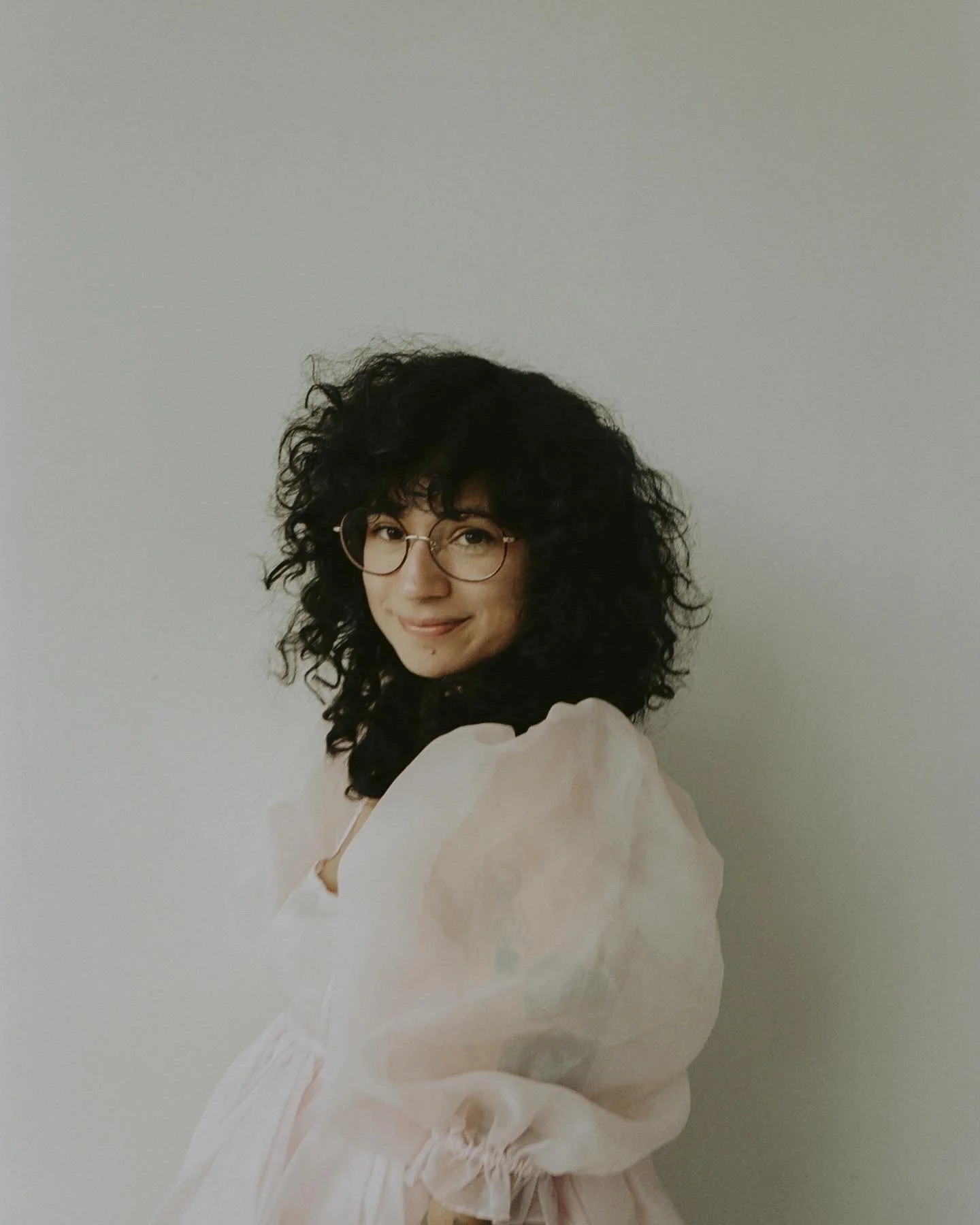
Melissa Lozada-Oliva is a novelist, screenwriter, and poet. Her work focuses on the way trauma and the trials of diaspora transform and disrupt reality, creating an uncanny picture. Using humor and sharp critical lens, she creates worlds that feature the bloody depths of humanity and the restorative power of community and love. Guatemala and Colombia are always present in her writing, whether through the lingering presence of colonial violence or a joke cracked in spite of the pain it ensues. She is the author of peluda, Dreaming of You, Beyond All Reasonable Doubt, Jesus is Alive! and Candelaria. Her novel Candelaria was named one of the best books of 2023 by Vogue and USA Today. Her collection of short stories Beyond All Reasonable Doubt, Jesus is Alive! was a LAMBDA finalist for Bisexual Fiction. Her work has been featured in Autostraddle, LitHub, ReactorMag, Audible, BBC Mundo, The Poetry Project, Harper's, Breakbeat Poets, and more. She teaches creative writing at the Center for Fiction, Sarah Lawrence, and Columbia University. She lives in Brooklyn, New York.
Paula Szuchman
Brooklyn, New York
Paula Szuchman is a writer in Brooklyn, New York. She holds an MFA in Poetry from Warren Wilson College. Her work has been published in 88: A Journal of Contemporary American Poetry, Forklift, Ohio: A Journal of Poetry, Cooking & Light Industrial Safety, and Spork, among others. She is a New York Times journalist whose work in print and in audio spans three decades.
minneapolis, minnesota
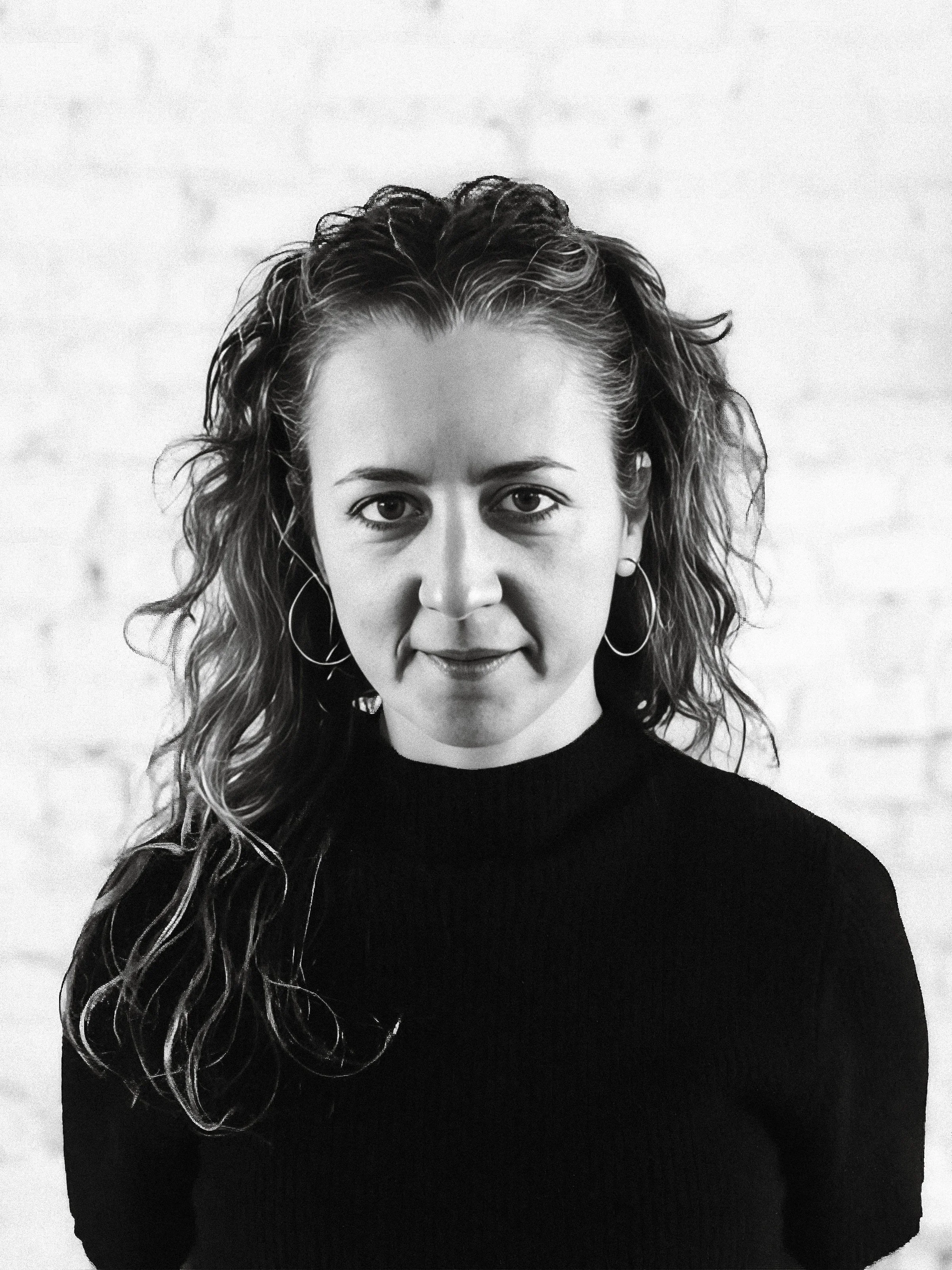
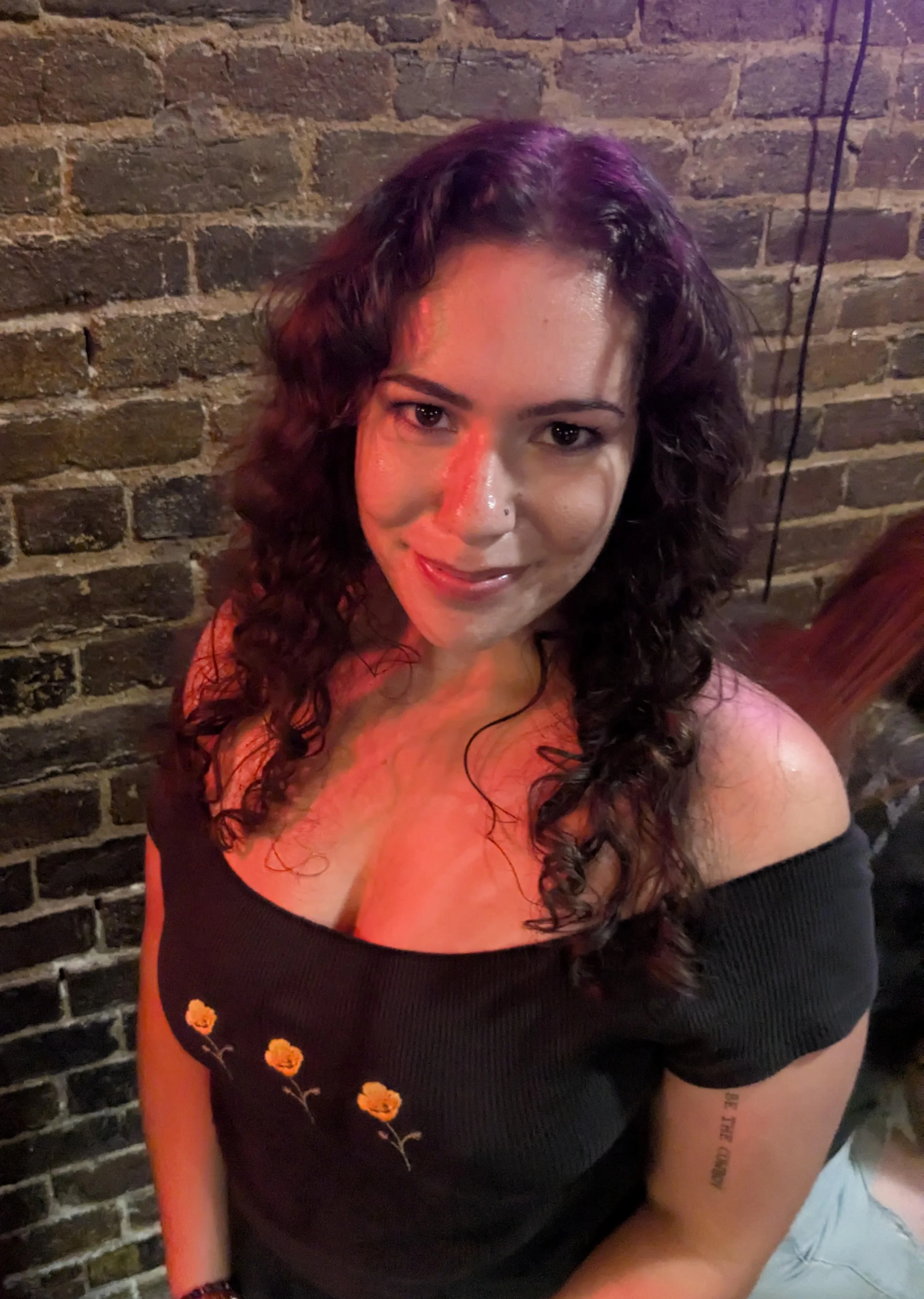
Shira Leah Haus is a queer, Jewish writer currently based in Minneapolis. She earned an MFA in poetry from the University of Tennessee and copyedits for The Offing. Her poems appear or are forthcoming in Poetry Magazine, Copper Nickel, Passages North, Poetry Northwest, Barrelhouse, and Wildness, among others, and her poems have been nominated for a Pushcart Prize, Best Microfiction, and Best New Poets. Her work has received support from the McCormack Writing Center Workshop and the Napa Valley Writers’ Conference. She was a finalist for the PINCH Literary Awards and the ONLY POEMS Leonard Cohen Poetry Prize. Her poems explore ritual, cycles of tenderness, violence, decay, and rebirth, sex and sensuality, queer womanhood, and her beloved cat, Sylvia.
Puerto rico artist Fellowship
(funded by the Dorothea Leonhardt Foundation)
Cristina Vélez Roque
San Juan, Puerto Rico
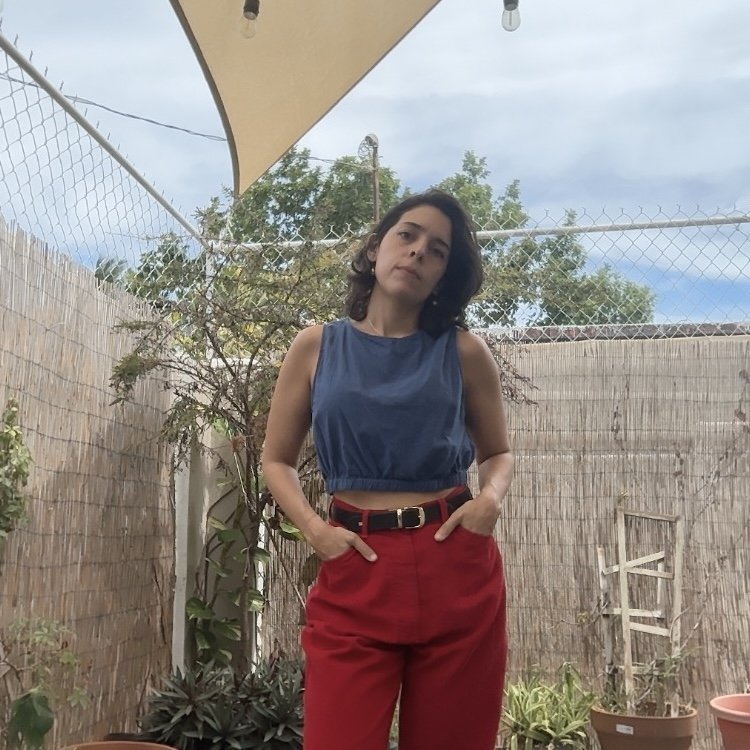
Cristina Vélez Roque (b. 1992, San Juan, PR) is an interdisciplinary artist and graphic designer based in Puerto Rico. Her practice explores systems of programming and language, and the catalogues of symbols they produce, through experimental and participatory approaches. Working across print, design, creative coding, and web-based media, she treats these tools as variables within open-ended processes that resist resolution. Her visual and conceptual works can take different forms with each iteration, shaped by their content and by those who interact with them. She approaches art as a space for dialogue in which others often intervene in a kind of collective performance, using interactive devices to create conditions for participants to activate, modify, or complete the work. Her research draws primarily from literature, particularly Puerto Rican contemporary literature, alongside non-academic readings and inferences from psychoanalysis, psychology, computation, philosophy, logic, and grammar, while sometimes incorporating social media content. Her recent work has expanded into e-textiles. She also works as Senior Designer at TEMBOL.
Sharon Nichole González Colón
Guaynabo, Puerto Rico
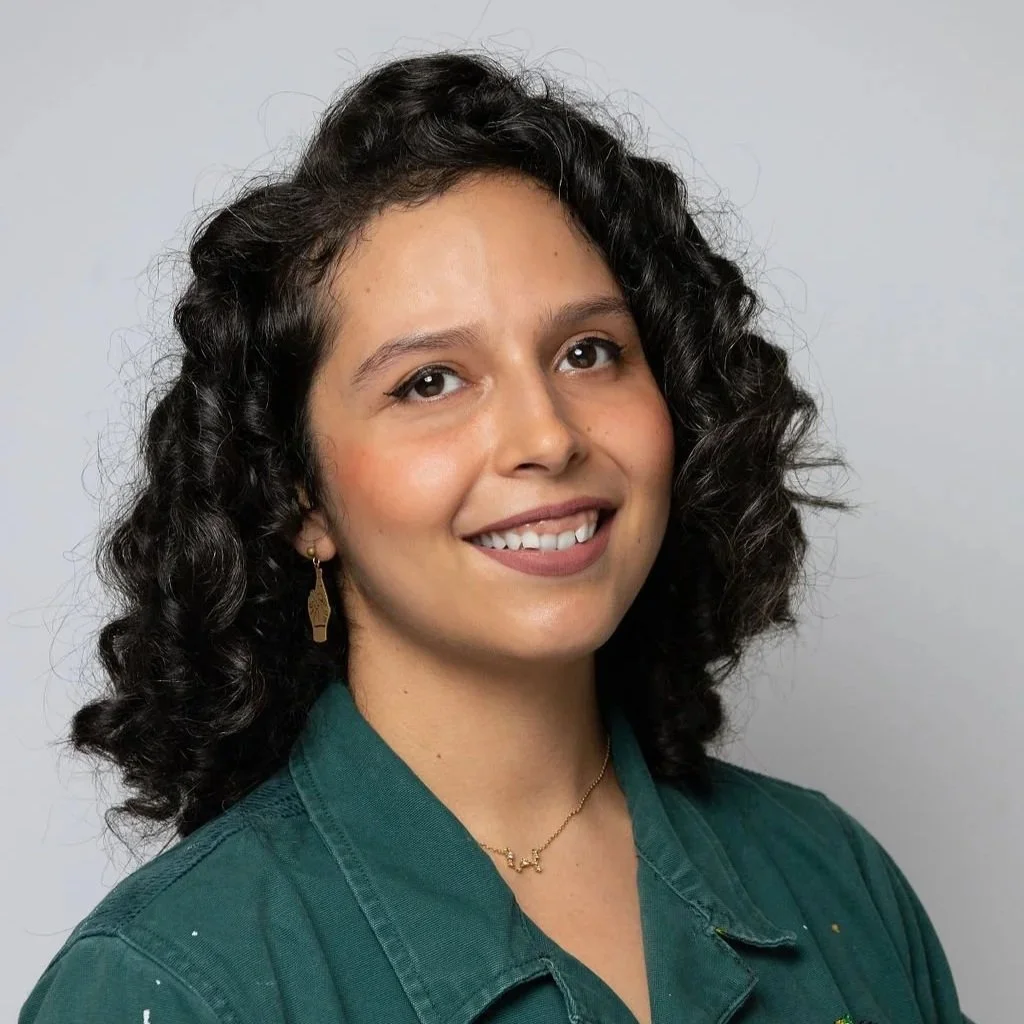
Sharon Nichole (She/her) was born in the town of Bayamón, but was raised in Santurce, P.R. In 2023, she obtained her BFA in sculpture, with a minor in Printmaking, from Escuela de Artes Plásticas y Diseño de Puerto Rico. She is an interdisciplinary artist, but has a strong foundation in ceramics, printmaking, drawing, and painting.
She is co-founder and co-director of Colectivo Moriviví, a women-led artistic collective that produces public art and artivism, with a focus on community muralism since 2013. However it wasn’t until getting back to her undergraduate studies in 2021, and completing her BFA in 2023, that she was able to articulate her individual artistic practice. As an interdisciplinary artist, she approaches art in a relational way, where materials contribute to the meaning behind the work. She focuses on themes such as ecofeminism, decoloniality, and the relationship between the individual, space and territory.
Verónica Inés Torres Ibáñez
Mayagüez, Puerto Rico
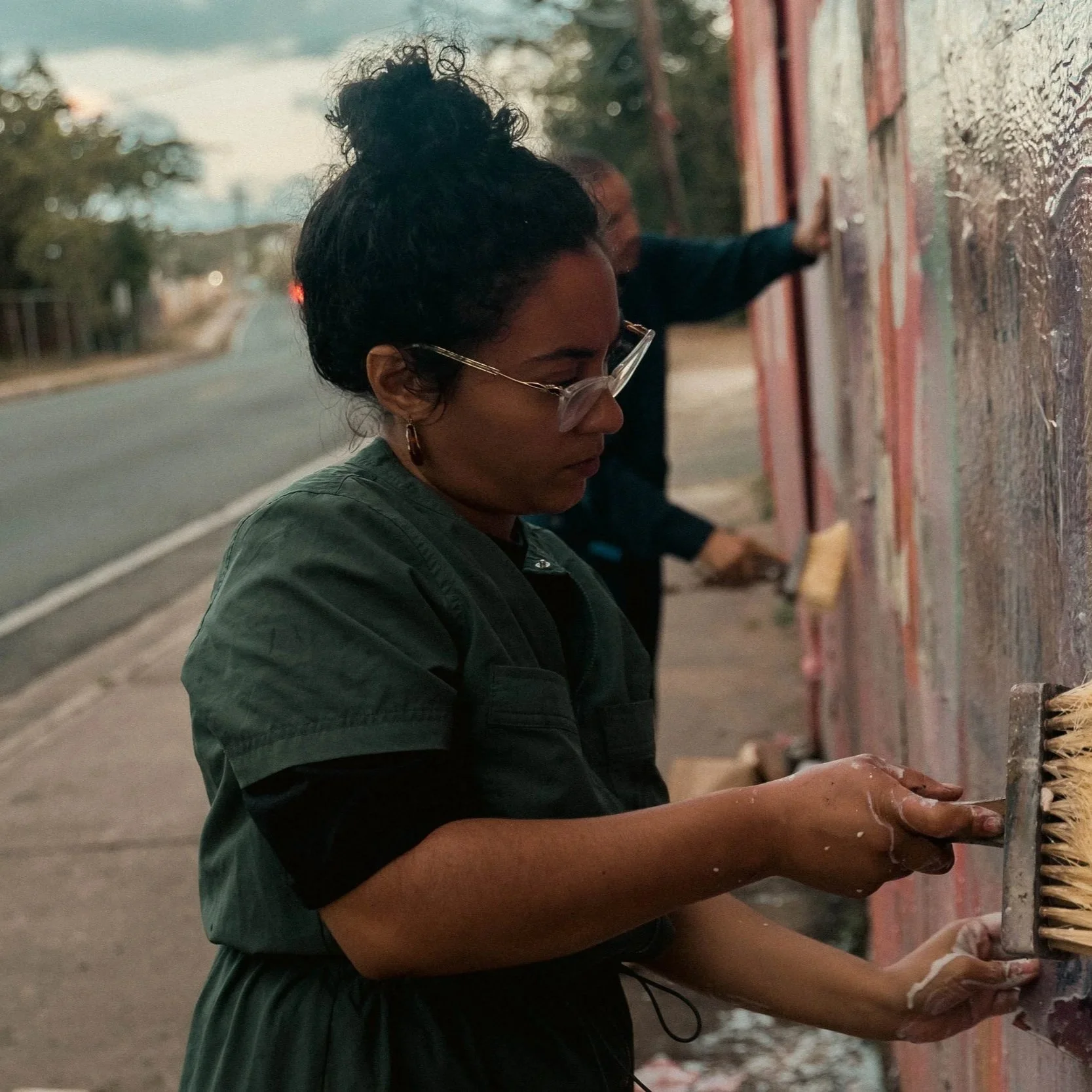
Photo by Adaira Rojas Santana
Verónica Inés Torres Ibáñez is a street artist, community worker, educator, and practitioner of ancestral Puerto Rican herbalism whose artistic output is grounded in relational aesthetics, popular education, and territorial stewardship. Holding a Bachelor’s degree in Psychology (BA) and boasting an independent career spanning over a decade, she views public space and essential resources as the primary materials for her visual and political work. Her practice is articulated through the management and creative direction of urban spaces and the co-founding of platforms for autonomous action in downtown Mayagüez—such as the street art collective BEMBA PR and the community space Taller Lumpen.
At the latter, she serves as community outreach coordinator, transforming food sovereignty and holistic health initiatives into methodologies for intervention and co-creation with local youth and neighbors. Specializing in medium of street-based visual expression —using techniques such as stenciling, paper cutting, wheat paste and artisanal screen printing —she is dedicated to translating community struggles into powerful, replicable visual languages. Her practice engages directly with Caribbean nature and ancestral wisdom; seed stewardship and the preparation of botanical remedies are formally interwoven with her creative processes. Guided by deep listening and the premise of radical tenderness, her community work does not merely precede her art but constitutes its primary aesthetic manifestation. Her self-managed career has been recognized and showcased by grassroots communities, academic institutions, and museums across Puerto Rico, Cuba, Brasil, Mexico, New York, and Chile.
Yamileth Flores Reyes
San Juan, Puerto Rico
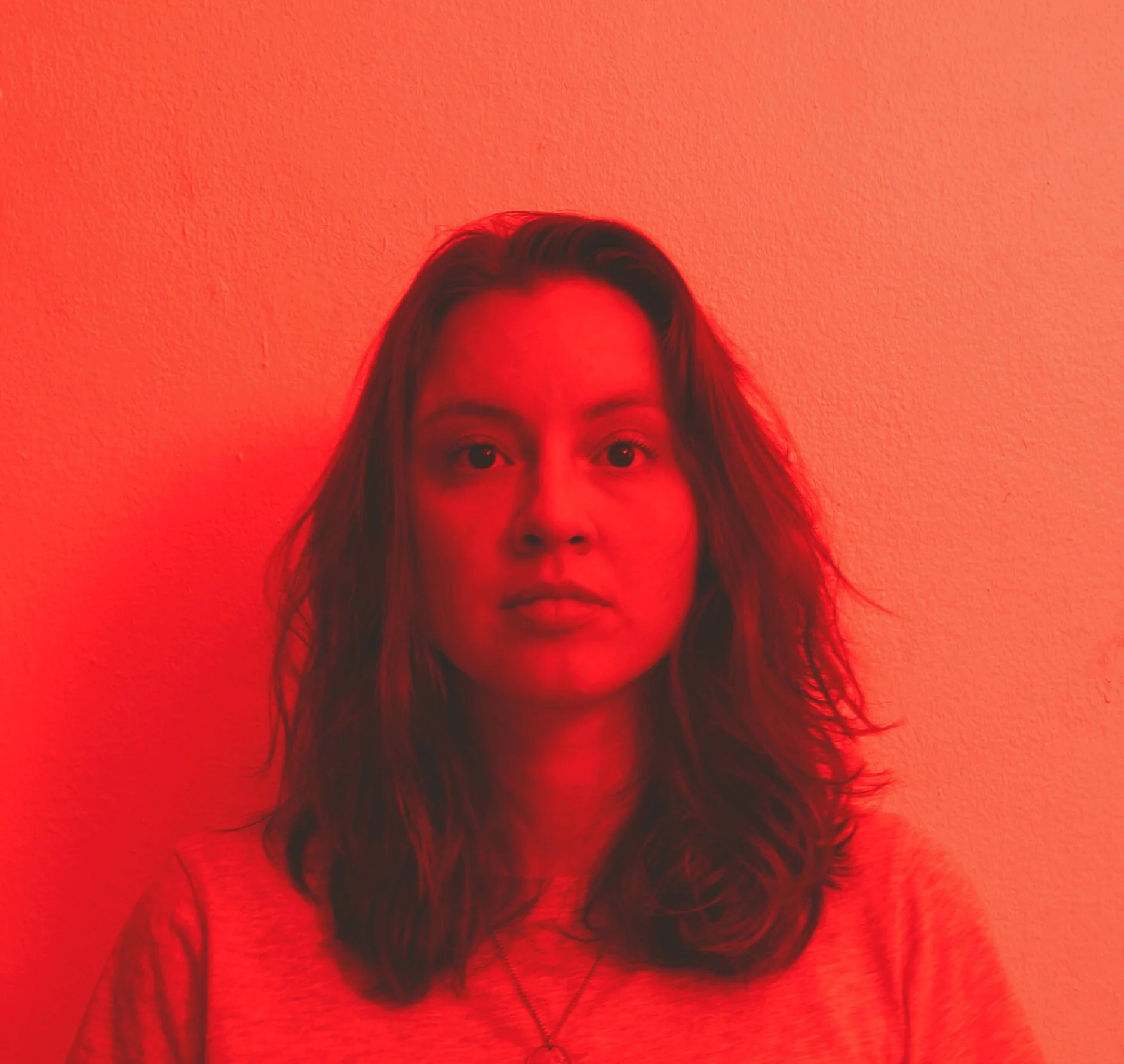
Yamileth Flores-Reyes (Caguas, Puerto Rico) is a multidisciplinary artist and educator who grew up in Juncos, Puerto Rico. She holds a BFA in Sculpture and Painting from the Escuela de Artes Plásticas y Diseño de Puerto Rico and an MFA in Ceramics from Universidad Interamericana de Puerto Rico, Recinto de San Germán.
Her practice spans sculpture, ceramics, photography, and installation, exploring the relationships between material, territory, memory, and identity through play, architecture, and the body in its presence and absence. Her work is rooted in her lived experience as a Caribbean, Puerto Rican, Latin American, junqueña, rural, and queer artist creating within a colonial context. She grew up in the countryside in a family connected to the construction industry, surrounded by cement, rebar, sand, concrete blocks, wood, and earth. These materials now serve as sites of thought and belonging through which she examines stability, permanence, transformation, and precarity.
Since 2012, Flores-Reyes has participated in group exhibitions in Puerto Rico and internationally, and her work is part of the collection of the Instituto de Cultura Puertorriqueña. She is a co-founder of Taller Malaquita, a multidisciplinary research space in the visual arts led by women artists. She currently teaches at the Escuela de Artes Plásticas y Diseño de Puerto Rico.
University Fellowships:
(In partnership with the following universities):
Annemarie Cabrera
Atlanta, Georgia
rhode island school of design
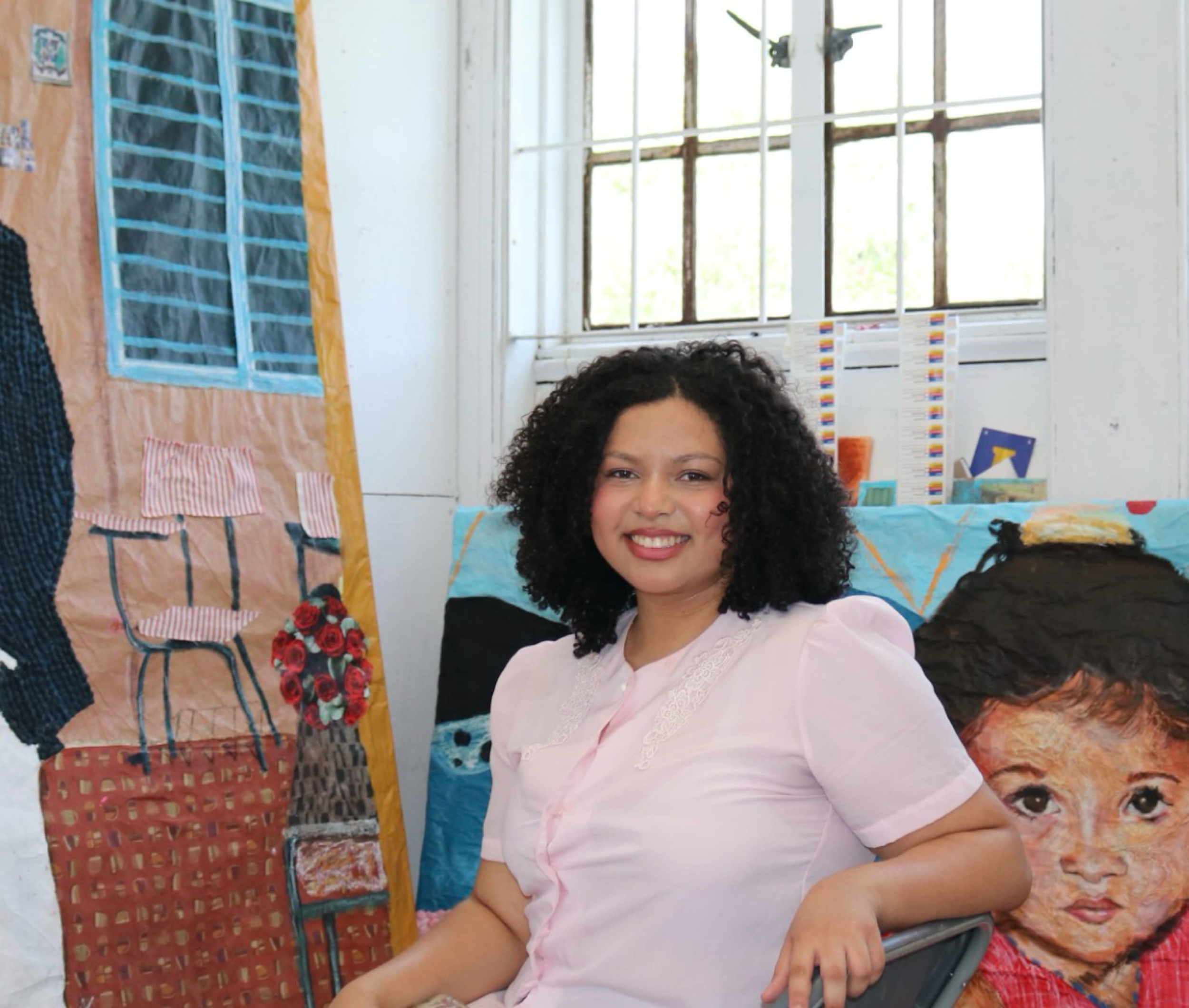
Annemarie Cabrera is a Dominican-American mixed-media artist working with painting, paper, fabric, and photographic archives to reconstruct the domestic spaces that shape identity. Her work explores community, unity, and the rebuilding of past and present into a shared place. At the center of her practice is the question: Where is the unity we once had?
Reflecting on her family’s migration, Cabrera examines how memory and culture shape stewardship and belonging. Repetition through color, pattern, behavior, rituals, and traditions forms the foundation of her practice. Working from her archive, she approaches memory as a listener, drawing from family images and intergenerational conversations to translate them into forms that can be shared. She transforms delicate, domestic materials into large-scale, immersive paintings, exploring visibility and invisibility, what is preserved and what is overlooked. Her materials demand gentleness and patience, mirroring the care needed to tend to stories that need to be preserved.
Cabrera holds a BFA in Painting from the Rhode Island School of Design. Her work has been exhibited at RISD galleries and exhibitions, including RISD Emerging Artist at Featherstone Center of the Arts, Woods-Gerry Gallery Painting Triennial, Gelman Gallery, and Memorial Hall Gallery, where she also curated Itch to Scratch and Si Fuéramos Un Jardín. Beyond RISD, she has exhibited at the Heckscher Museum of Art in Long Island’s Best. She is the recipient of the Florence Leif Award, John A. Chironna Scholarship, Anderson Ranch Workshop Sponsorship, Joy Donatuti Memorial Award and Senior Award, and Firefly Gallery Next Generation Award.
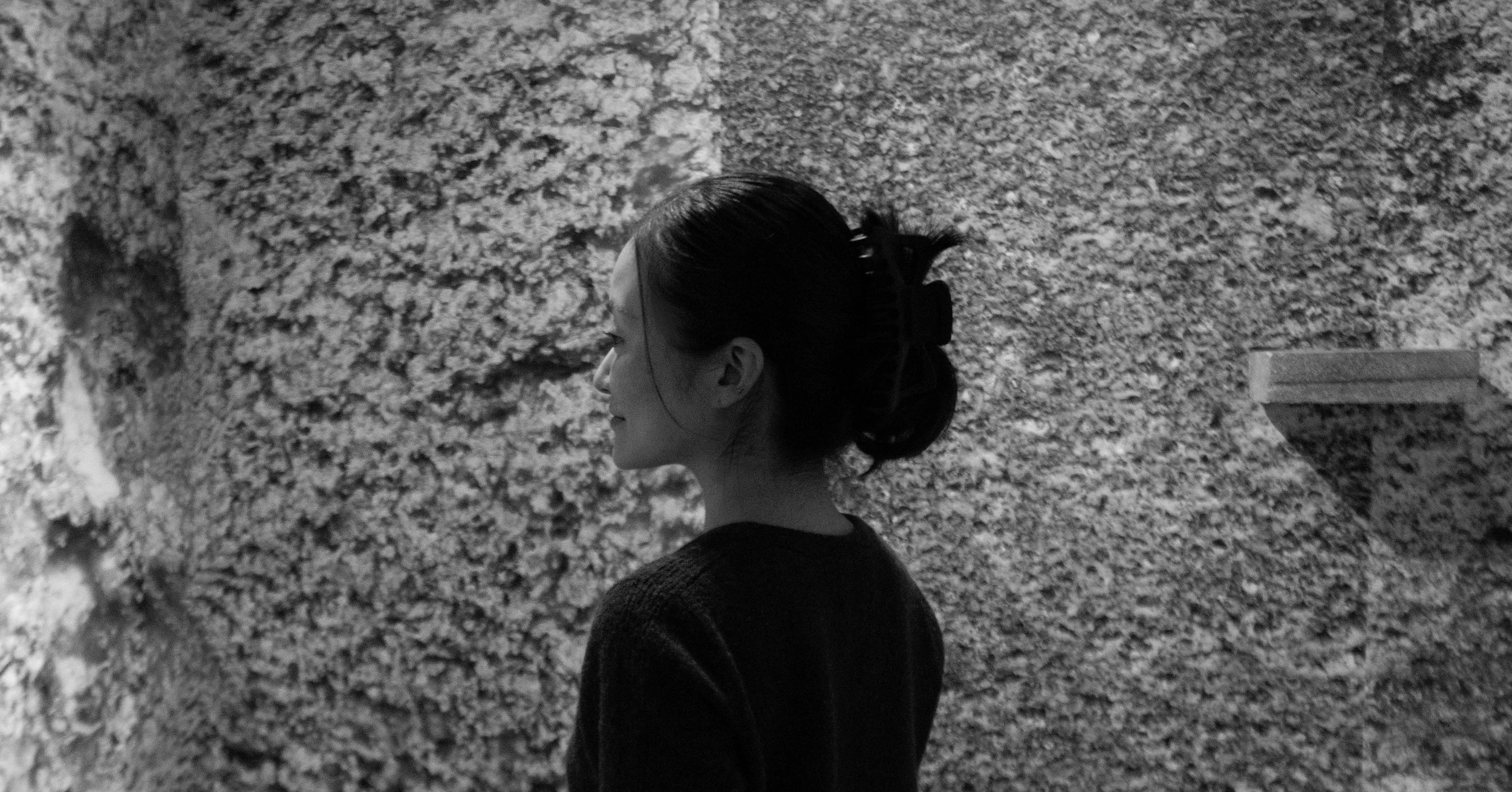
Christina Bohyun Lee is a Chicago-based artist working across ceramics, textiles, and digital imagery. Lee collects and transforms discarded glazes and kiln bricks into sculptural forms, moving fluidly between small objects and spatial installations. Through this process, she reframes waste — along with the disappointment it holds — into tiles, bricks, and wall pieces built to last. Lee received an MFA from the School of the Art Institute of Chicago and a BFA from Kyung Hee University in South Korea, and has upcoming residencies and fellowships at the Studios at MASS MoCA and the Vermont Studio Center in 2027.
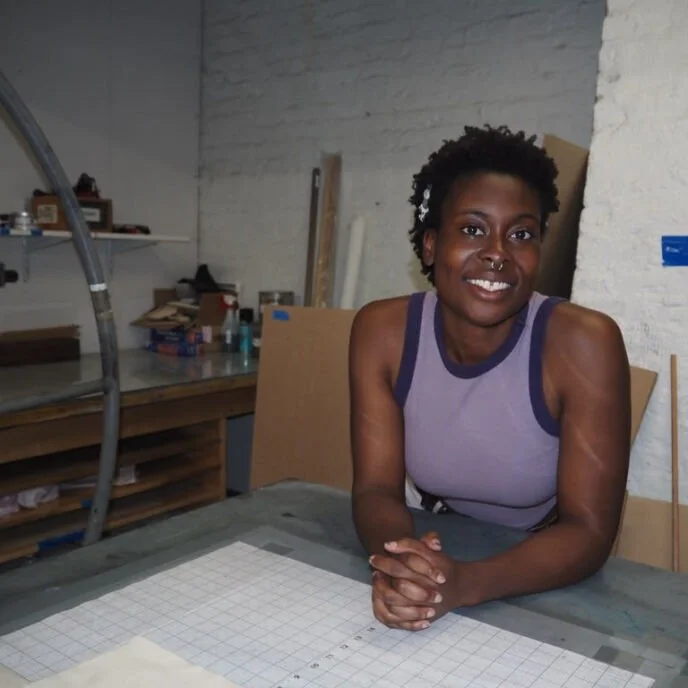
Through my printmaking practice, I contemplate contemporary realities of creating home amidst violent dispossession. In my work, the creature and the body act as a humble reflection of solace, estrangement, and resilience. Through the fictionalized creature and being, I find possibilities to explore belonging and human rootedness with the earth.
When creating imagery, I pull from various inspirations and traditions: navigating space, blackness, gender, myths, my own Yoruba culture. I use masks–ways of covering or conveying identity–and mirroring as motifs to reflect on the different levels of subjectivity and facets of self. These motifs explore the role of the gaze and (hyper/in)visibility while being metaphors for race, belonging, and vulnerability. Motifs such as trees are also important components of my work. Trees remind me of the cycles of life and death, how our lives are rooted in overlapping systems of oppression, and how we are tied to the land. These motifs ground my work and remind me both of how violence causes estrangement with the home, body, and land–and importantly–the steps many people resiliently take over their lifetimes to create processes of reclamation and growth.
Printmaking compliments my exploration in these thoughts. Printmaking, a process known for its repeated and multiple steps, offers moments for transformation through its ability to alter ideas and images. Through layering ink, paper, and methodically developing copperplate etchings, I find ways to embed my ideas into materiality and transform my matrixes. The process allows me to intentionally remain with my work and deeply contemplate the possibilities in iteration. Just like the life cycle of a myth or story, it is in iterations where I can contemplate what persists and what doesn’t. I find comfort in these possibilities of change; it serves as an important reminder of reclamation and finding belonging even amidst oppression.
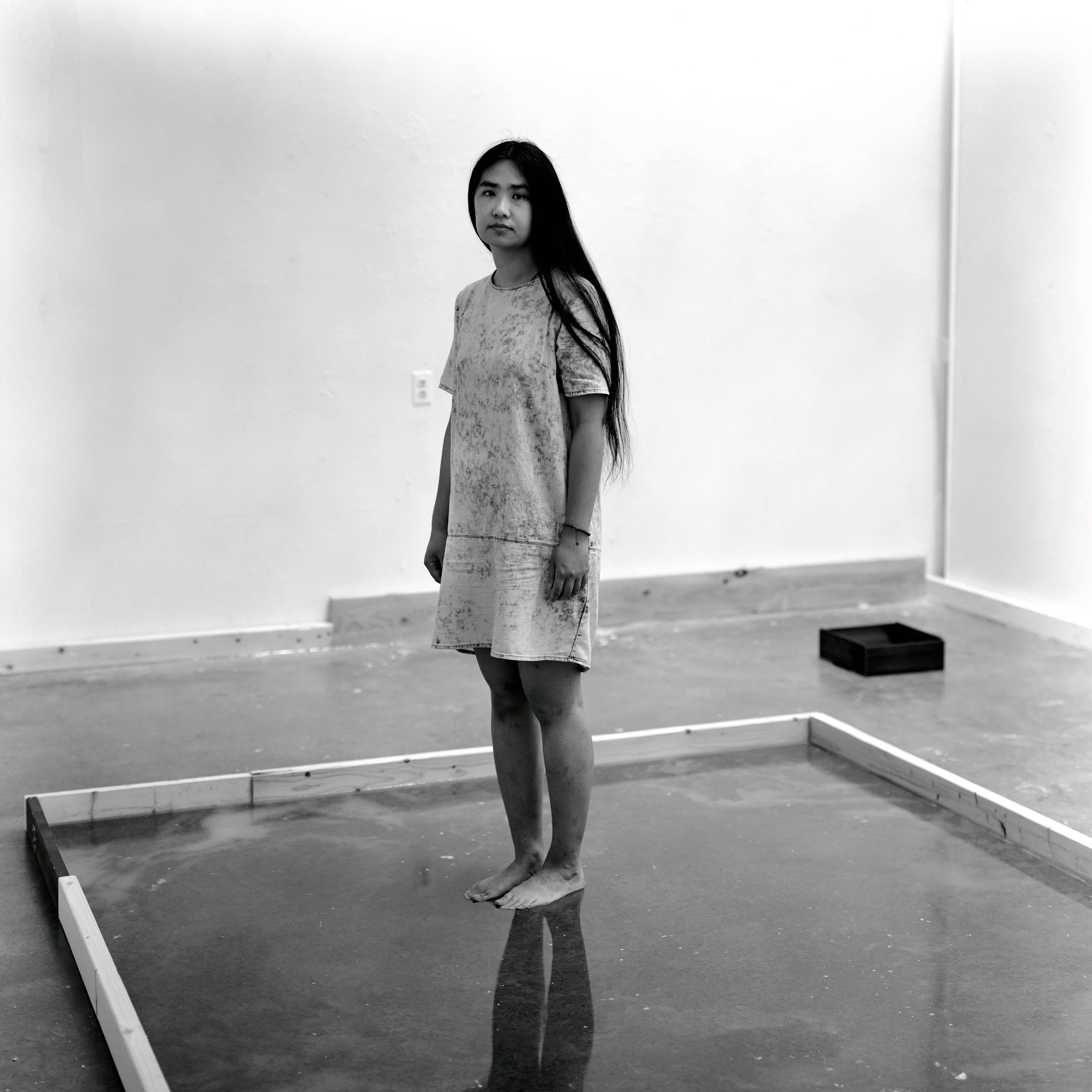
Weihui Lu is a multidisciplinary artist based on unceded Lenapehoking land, now known as Queens, New York. Through ephemeral, site-specific activations, her practice explores relationality, the ecological history and projected futures of places, and the psychological implications of the modern landscape.
Her installations have been exhibited at the Venice Architecture Biennale, Wave Hill, Tempest Gallery, The Steinberg Museum of Art, and Tiger Strikes Asteroid NY, among others. She has attended residencies at the Ellis-Beauregard Foundation, Wave Hill Winter Workspace, I-Park Foundation, Marble House Project, and Santa Fe Art Institute, and received grants from the Queens Council on the Arts, NYFA and the Milton and Sally Arts Foundation. Her work has been featured in Hyperallergic, Art Spiel, Impulse Magazine and Li Tang. She holds a B.A. in English Literature from Barnard College, and an M.F.A. in Sculpture from Bard College.
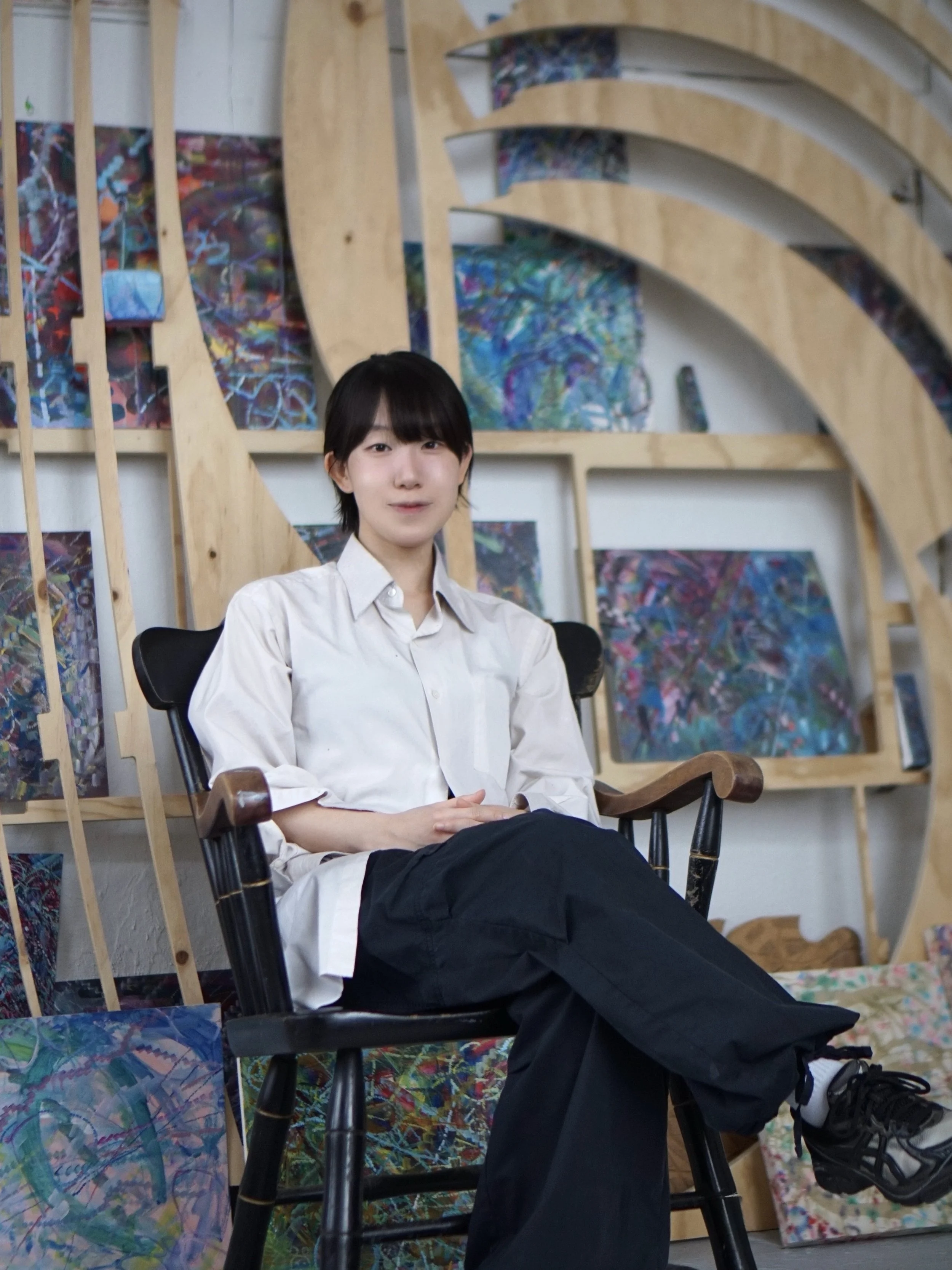
Young one is a Korean visual artist working across sculptural painting, installation, and drawing. Her practice grows from walking, collecting, photographing, and responding to the places she inhabits. Working with wood, fabric, found materials, and digital fabrication, she combines technological processes with sustained handwork to create tactile images and spatial forms. Through these translations, she explores how places and experiences remain with us, shift through memory, and become embedded in physical form over time.