
Awarded Artists from November 1, 2025 General Application Deadline
The Studios at MASS MoCA is pleased to announce the awarded artists from our November 1, 2025 General Application Deadline. Each of these artists will receive a two or four-week residency during the July–December 2026 season at the Studios at MASS MoCA.
Congratulations to this season’s Artists:
IRIS RESIDENCY FELLOWS
FAMILY RESIDENCY FELLOWS
VISUAL ARTISTS
(funded by the Donald A. Pels Charitable Trust, The Leonard & Ruth Horwich Family Foundation, and an anonymous donor)
Amalya Megerman
Somerville, MAssachusetts
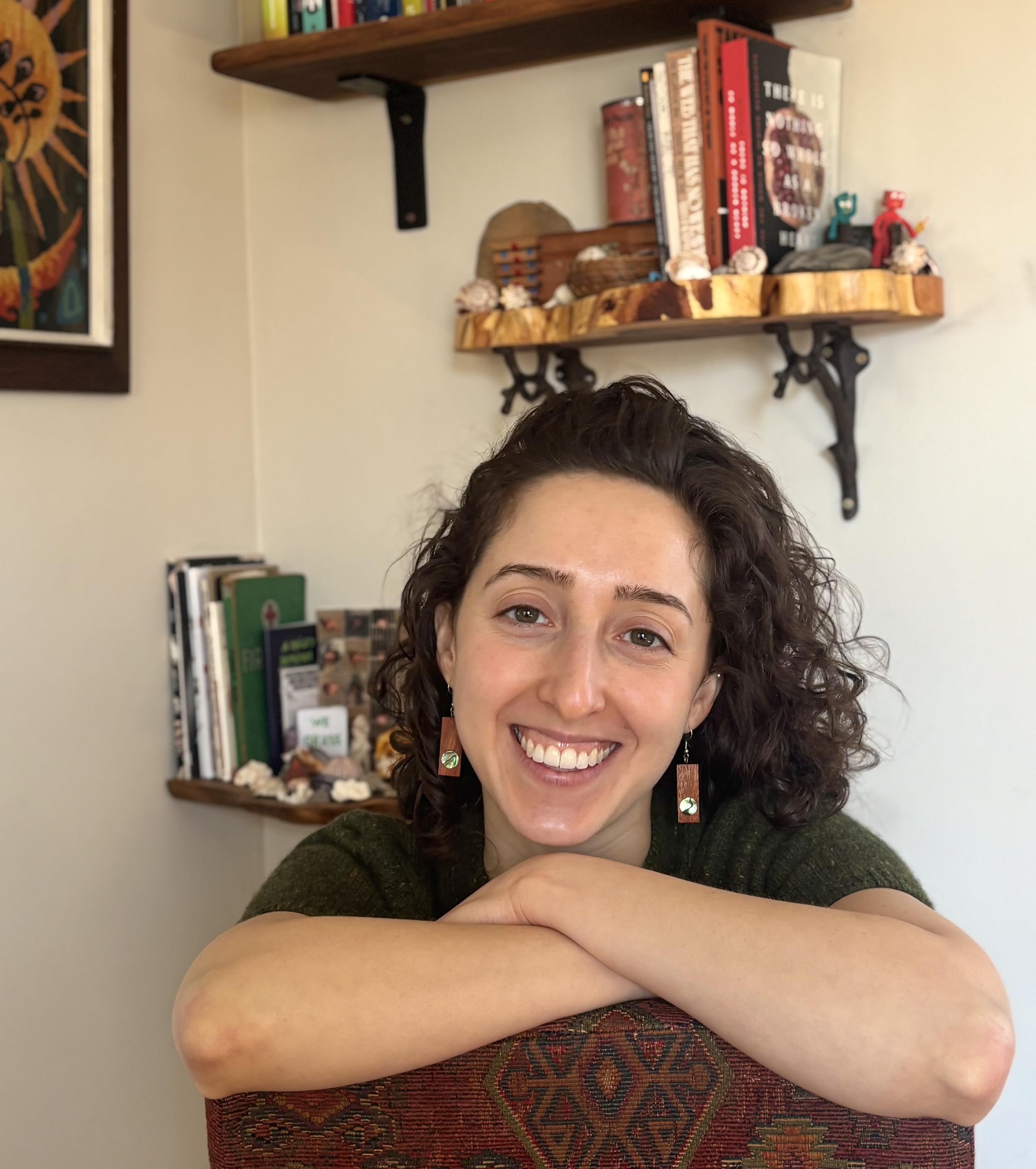
Three key through lines shape my practice: intergenerational trauma, the geopolitical forces behind state violence, and historical Jewish responses to oppression. I create performance, installation, video, and sculpture using traditional Jewish ritual, organic material, and recurring themes of body, family, hypervigilance, and security. My work directly references diasporic protective practices, rituals, objects, and symbols that Jews have used over centuries to confront today's urgent crises and to create new means of collective resistance and healing. My work challenges the notion that true safety can be achieved through state violence, while examining what it means to be complicit within systems built on daily, mundane violence. I aim to construct a visual language that resists Jewishness being subsumed within nationalism and which affirms that Jewish safety is necessarily bound up in the well-being of all peoples.
By making work that ties my family’s history of escaping dangerous conditions for Jews in Europe to contemporary geopolitical issues, I highlight the patterns of state violence across time, geography, and culture. Through this work, I hope to stand in solidarity with colonized peoples and others facing state oppression today.
I graduated magna cum laude from Princeton University in 2016, where I studied Anthropology, Visual Arts, and Chinese Language and Culture. I have shown work domestically and internationally in 25+ exhibitions and received 7 residencies and 4 awards to support my work. Since 2023, I have been a member of Zero Space Collective. Over the last several years, my practice has been moved from New Jersey, to Beijing, Xinjiang, Brooklyn, and Massachusetts.
Amir Khadar
Minneapolis, Minnesota
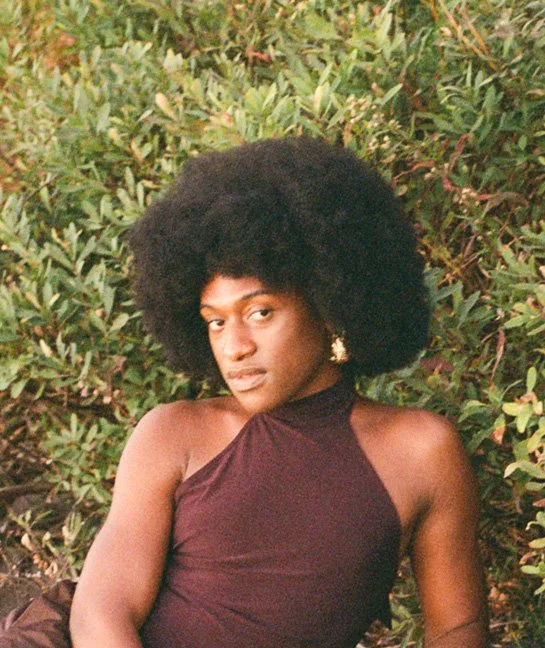
Photo by V.E. Haddad
Amir Khadar is a Sierra Leonean-American multidisciplinary artist from Minneapolis, MN. Their work builds personal cosmologies through drawing, textiles, beadwork, digital media, and design, blending mythology, memory, dreams, and speculative symbolism to illuminate the unseen and visceral forces of everyday life. Their work has been exhibited nationally and internationally, including the Oakland Museum of California, Anacostia Community Museum, Philadelphia’s Magic Gardens, and the London School of Economics. Rooted in Black diasporic, ecologist, and queer frameworks, Khadar also engages art as a liberatory force, collaborating with nonprofits, grassroots organizations, and communities to explore justice, collective imagination, and new ways of being.
Anna Ting Möller
New York, New York
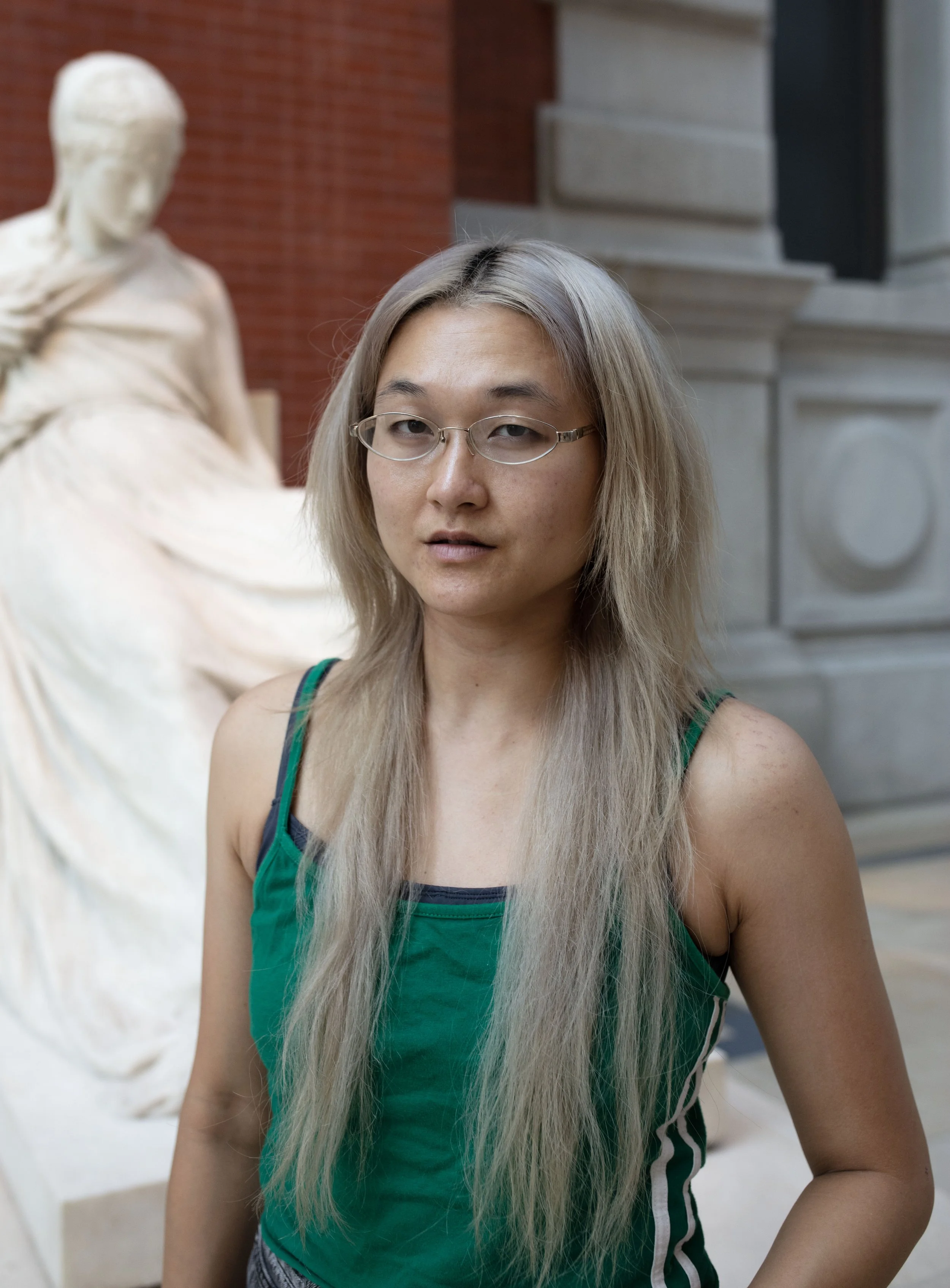
Photo by Elisheva Gavra
Anna Ting Möller is an artist whose work explores fermentation, kinship, and care. Working across sculpture, installation, and performance she employs a living—mother kombucha culture—(SCOBY: Symbiotic Culture of Bacteria and Yeast) that generates successive generations of material. For over a decade she has cultivated this organism—one that continuously mutates, propagates, and contaminates. Manifesting a slow and autonomous process. The culture is a matrilineal thread within her practice and has been nurtured since it was gifted to the artist during a journey to China in 2015.
Central to Möller’s work is to understand the paradox of care. The word derived from the Latin cura, meaning both “concern” and “cure,” and underscores this duality. Within her installations, cultivation and repair remain inseparable from processes of defile and decay. Across her projects, the mother figure reappears in multiple iterations, each work emerging as an offspring or doubling of the previous one. Techniques such as grafting—whip-and-tongue, a form of asexual reproduction that binds two organisms into shared growth. The operation is inherently violent: bodies are cut open, tissues sutured, organisms forced to coexist. Healing requires contact; the seam marks the presence of care while also revealing its implication.
Möller lives and works between New York and Stockholm, received her MFA from Columbia University and BFA from Konstfack University. Her work has been exhibited internationally and presented through lectures and public programs including The Brooklyn Rail and universities across Europe and the United States. In 2026–2027, she was awarded the prestigious Bernadotte Scholarship from Kungliga Konstakademien in Stockholm.
Aspen golann
Rollinsford, New Hampshire
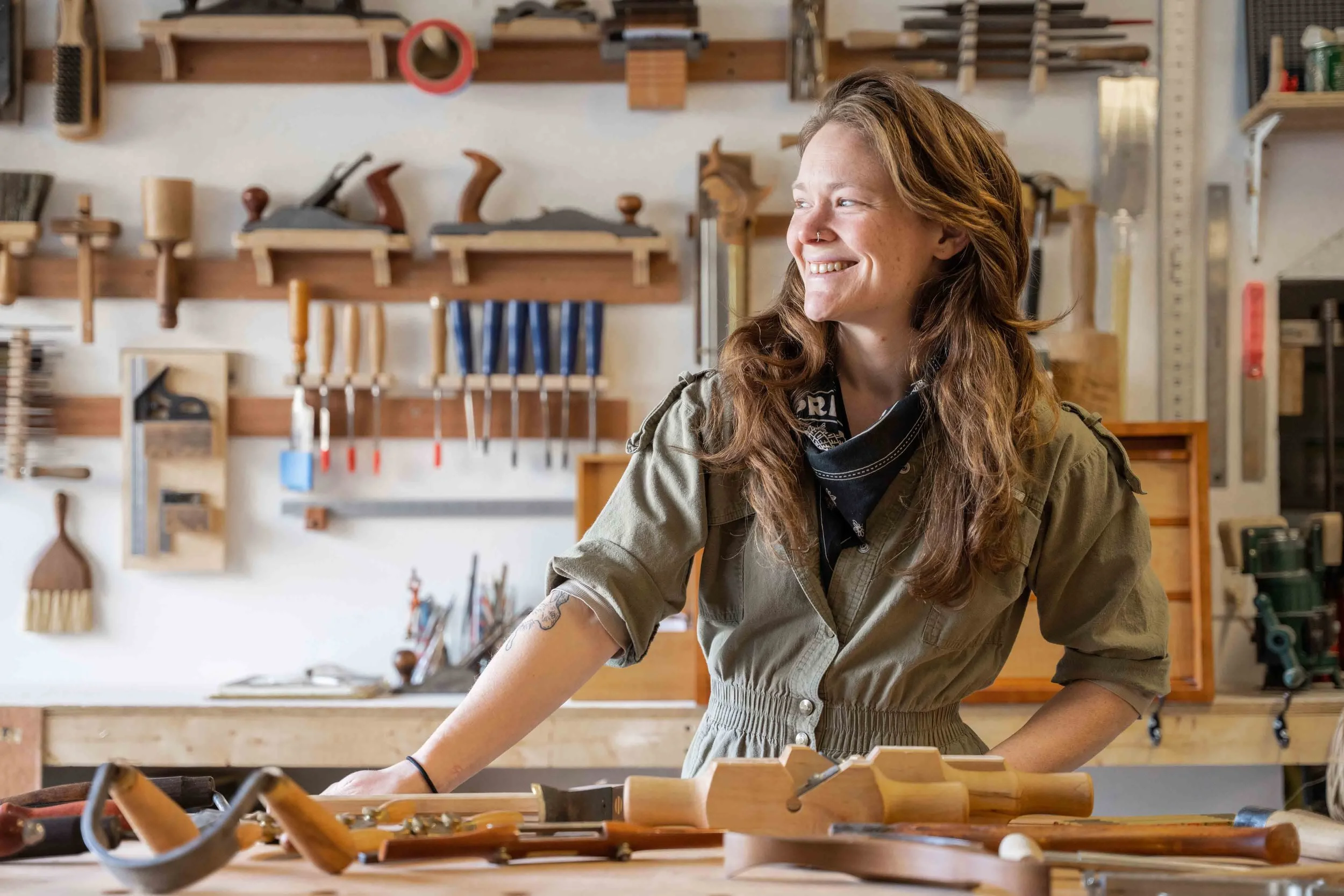
Photo by Lucy Plato Clark
Aspen Golann (b. 1987) is a furniture maker, artist, and educator whose work explores gender, labor, and power through the manipulation of iconic American furniture forms. Trained as a 17th–19th century woodworker, Golann combines traditional techniques with contemporary themes, producing fine furniture and sculptural works that examine the social histories embedded within decorative arts.
Golann teaches furniture design at the Rhode Island School of Design and holds a degree in furniture making from the North Bennet Street School in Boston. In addition to her studio practice, she teaches craft workshops internationally and frequently lectures on the relationship between historical technique and contemporary craft practice.
Her work has been featured on NPR and PBS and published in The New York Times, Architectural Digest, Vogue, Elle, Luxe, Fine Woodworking, and American Craft. Golann is the recipient of several major awards including the 2023 Maxwell/Hanrahan Award in Craft, a 2025 United States Artists Fellowship, and the 2025 Artisan Residency at The Metropolitan Museum of Art.
In 2020, Golann founded The Chairmaker’s Toolbox, a nonprofit initiative dedicated to expanding access to traditional craft practices through tool redistribution, mentorship, and education. The project works to create pathways into woodworking for makers historically excluded from the field. Golann lives and works in southern New Hampshire.
Briar Pine
Alfred, New York
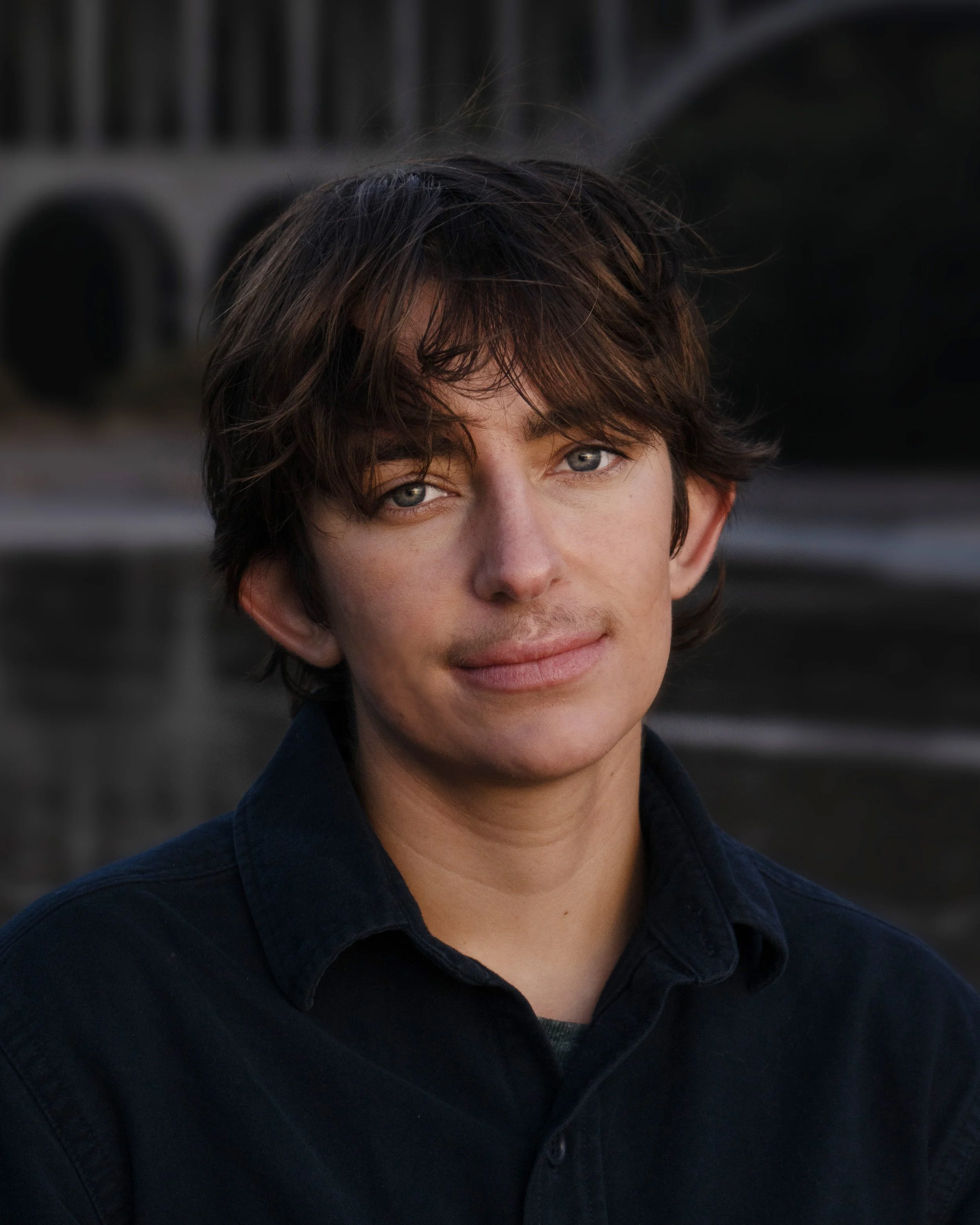
Briar Pine (they/he) is a multidisciplinary artist and educator. Their work incorporates photography, performance, and installation to explore identity in the American landscape. Recent solo exhibitions include Ditch Projects (2025; Springfield, OR); Charles Adams Studio Projects (2024; Lubbock, TX); and PAPA Projects (2024; Saint Paul, MN). They received their MFA in Studio Art from Washington State University (2022) and a dual BA in Art and Journalism from the University of Minnesota (2018). They currently live in Alfred, NY, and serve as a Clinical Assistant Professor at Alfred University.
Jiye Kim
Tokyo, Japan
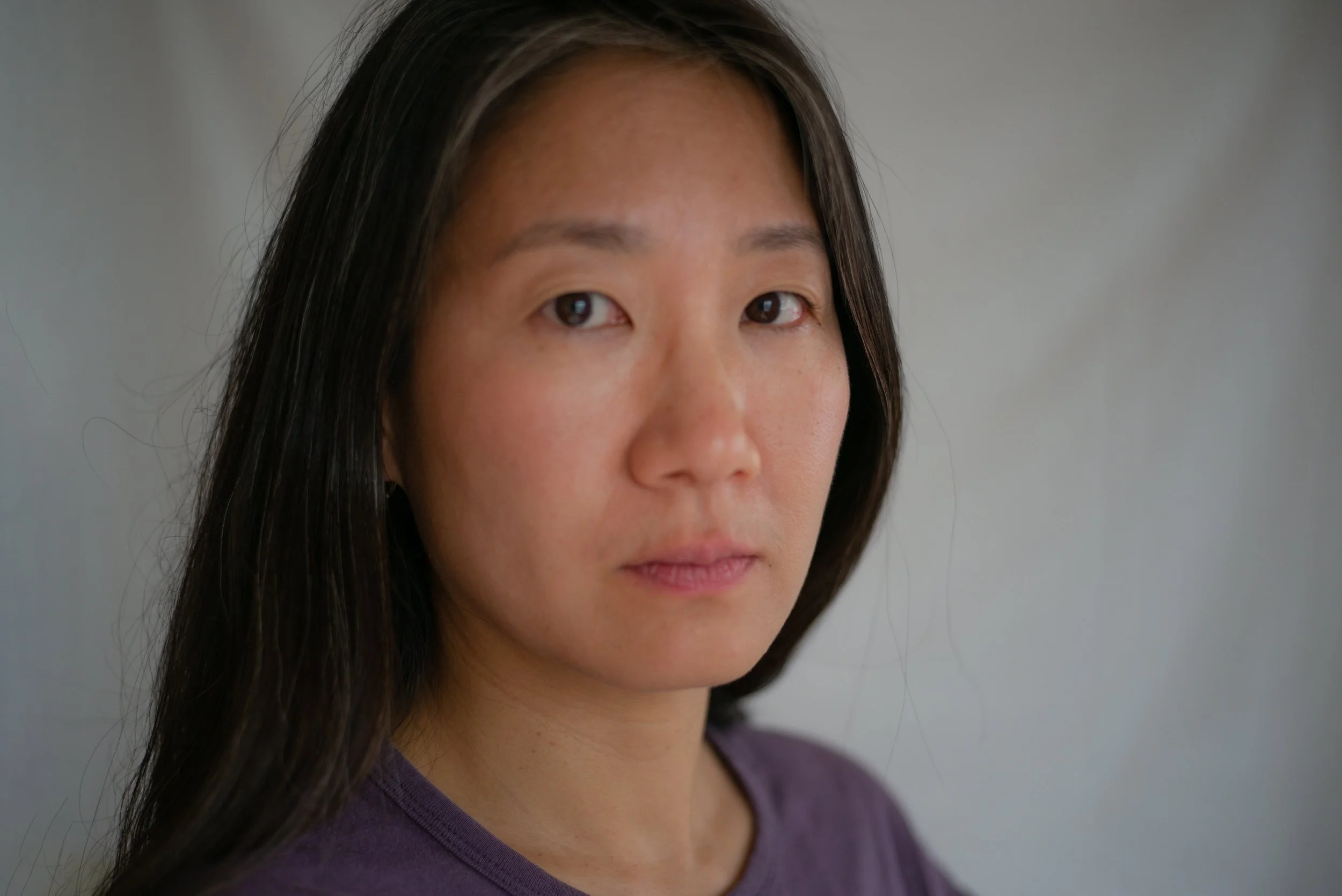
Jiye Kim is a Korean visual artist and writer based in Tokyo. Working across photography, text, and book forms, she examines how structures of power shape lived experience, producing the conditions through which subjects come to define themselves and conduct their lives. Her projects engage reproduction, domestic life and labor, family history, and the built environment as sites where those structures become legible. Text and image operate with equal force in her work. Archival and contemporary printed language recurs throughout her practice as material to be studied, reworked, and often intervened in.
Julie Pereira
West Simsbury, Conneticut
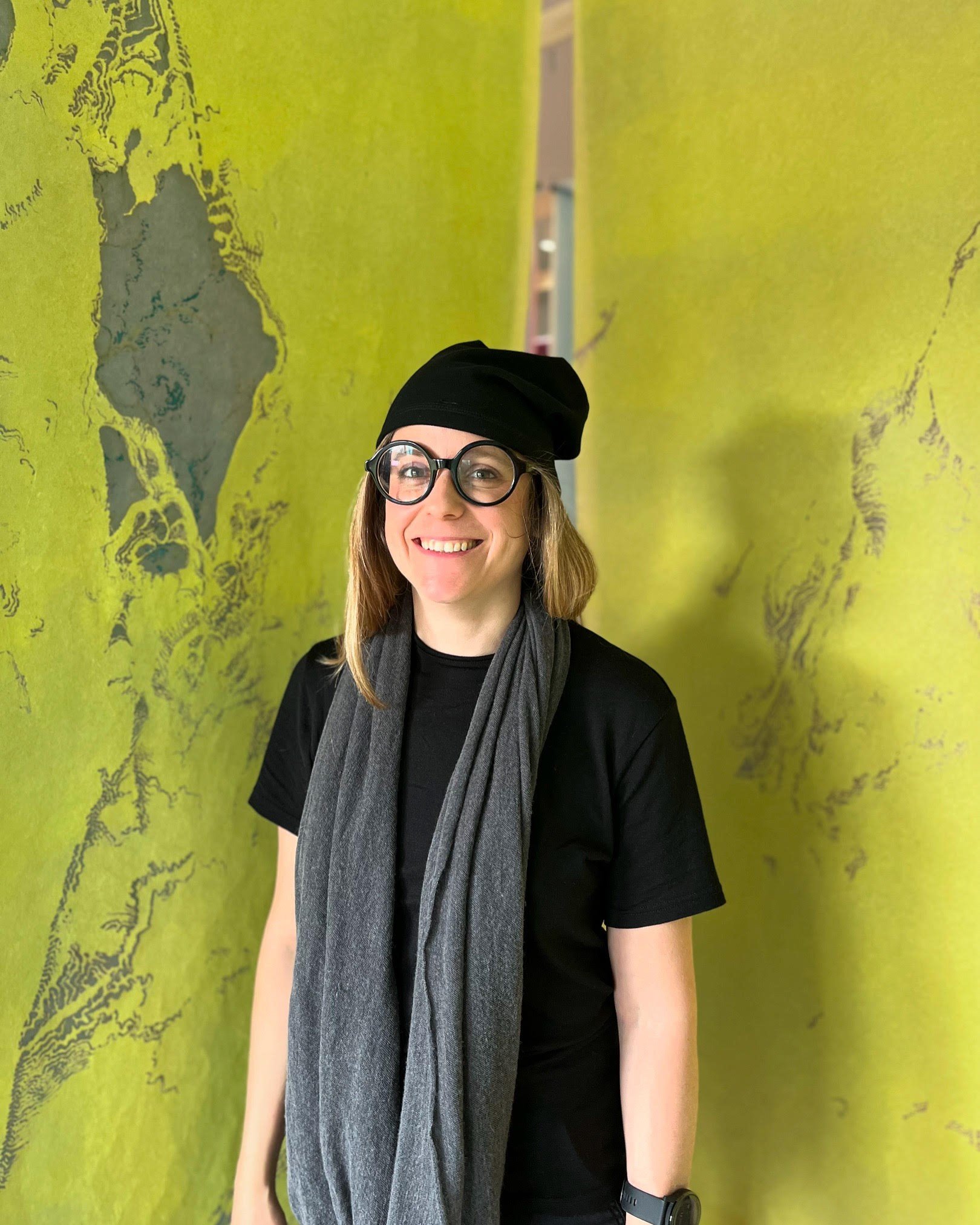
Photo by Carl Largent
Julie Pereira (b. 1982, Hartford, CT, USA) is an interdisciplinary artist best known for her sculptural installation practices that consider the forces that drive growth and decay: She often explores these concepts in two main ways; one additive and one subtractive.
The additive approach has a focal point in piling stickers, a playful yet involved exploration of form iteration that considers the flat sticker as a moment in time—or steps in a path—and in aggregate forms images that might evoke dancing figures, layered texts, and imagined worlds. In the subtractive approach, she uses incense to carve through suspended layers of dyed paper as a means of slowing down and exploring concepts of time, impermanence, transformation, love, loss, and possibility. Collectively, her work is created improvisationally as a conversation with the materials and space in which they are installed. In this way, her practice is an engagement with the mystery of being.
Pereira earned her BFA from the Rhode Island School of Design in 2005 and her MFA and PhD from Kyoto Seika University in 2010 and 2013 respectively, exhibiting at the Kyoto Institute of Technology’s Museum in 2014. Upon returning to the US after nearly a decade studying and working in Japan, her work has been exhibited in venues such as ArtSpace New Haven, Five Points Gallery, and Geoffrey Young Gallery, and recognized through awards such as the William Harris Esq. and Holly Katz Award as part of the Mohawk Hudson Regional at Albany Center Gallery. She has attended multiple residencies including Vermont Studio Center, Yaddo, I-Park, Ucross, and Nordic Artist Center Dale (NKD) in Norway. Pereira currently holds a studio base in Torrington, CT, and has taught part-time at her alma mater Rhode Island School of Design.
Jungeun Park
Lindsey Filowitz
Oakland, California & Boston, Massachusetts
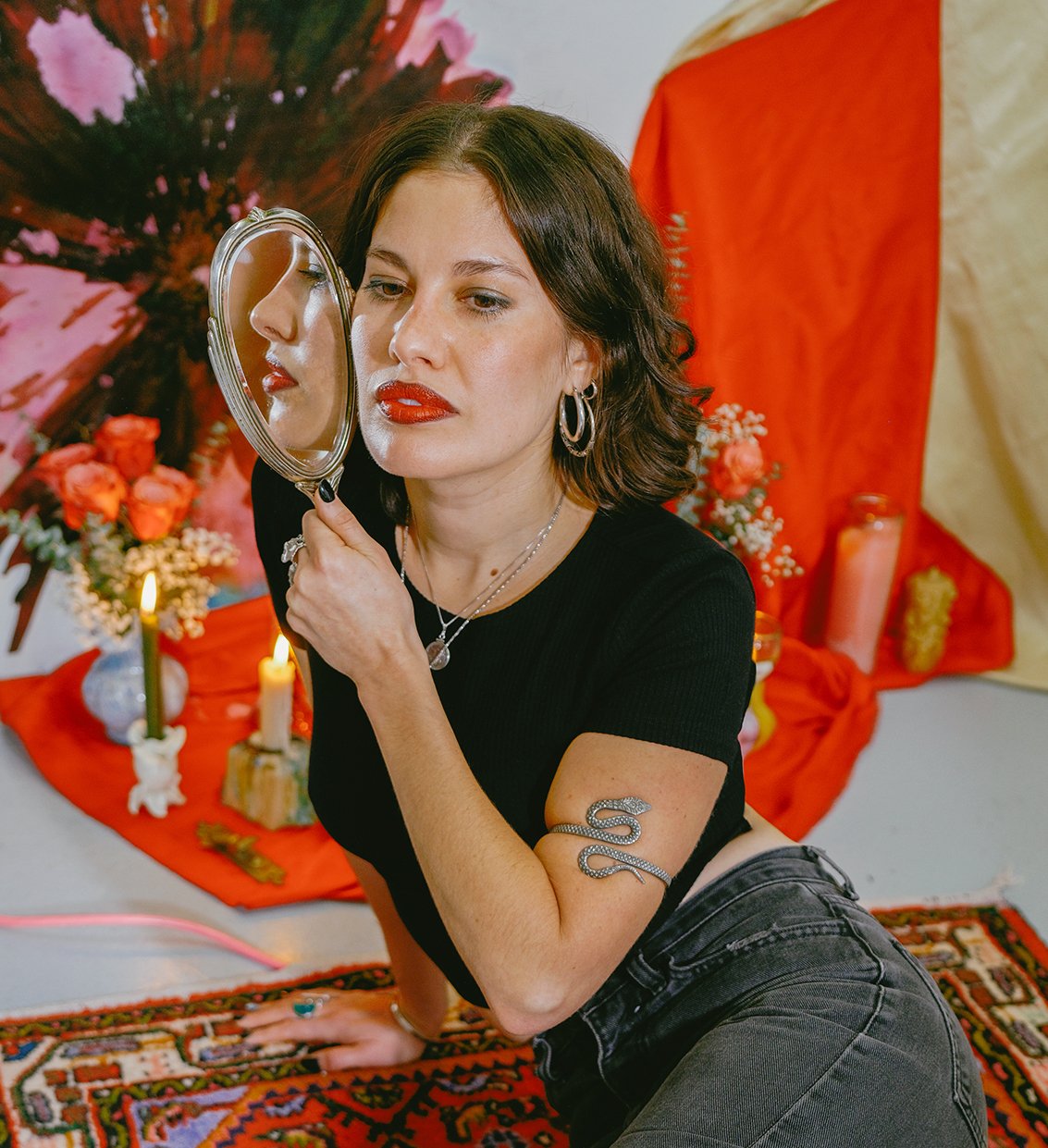
Lindsey Filowitz is an image-based interdisciplinary artist. She was born and grew up in Brooklyn, NY. Her work addresses transformation (physical, emotional, social), societal pressures and confines, states of political duress, and the impact of images on culture. Their conceptual framework is informed by intersecting Peruvian-American, Jewish, queer, afab, ailed, and passing identities. Lindsey has exhibited throughout the Bay Area, New York, Boston and Los Angeles, as well as internationally. She received her BFA in Photography from Bard College in 2011 and previously had careers in the art world and biomaterials. They are currently pursuing a MFA in Studio Art at The School of the Museum of Fine Arts at Tufts University. Lindsey is based between Boston and the Bay Area.
Sandy Pool
Sopheak sam
Lowell, Massachusetts
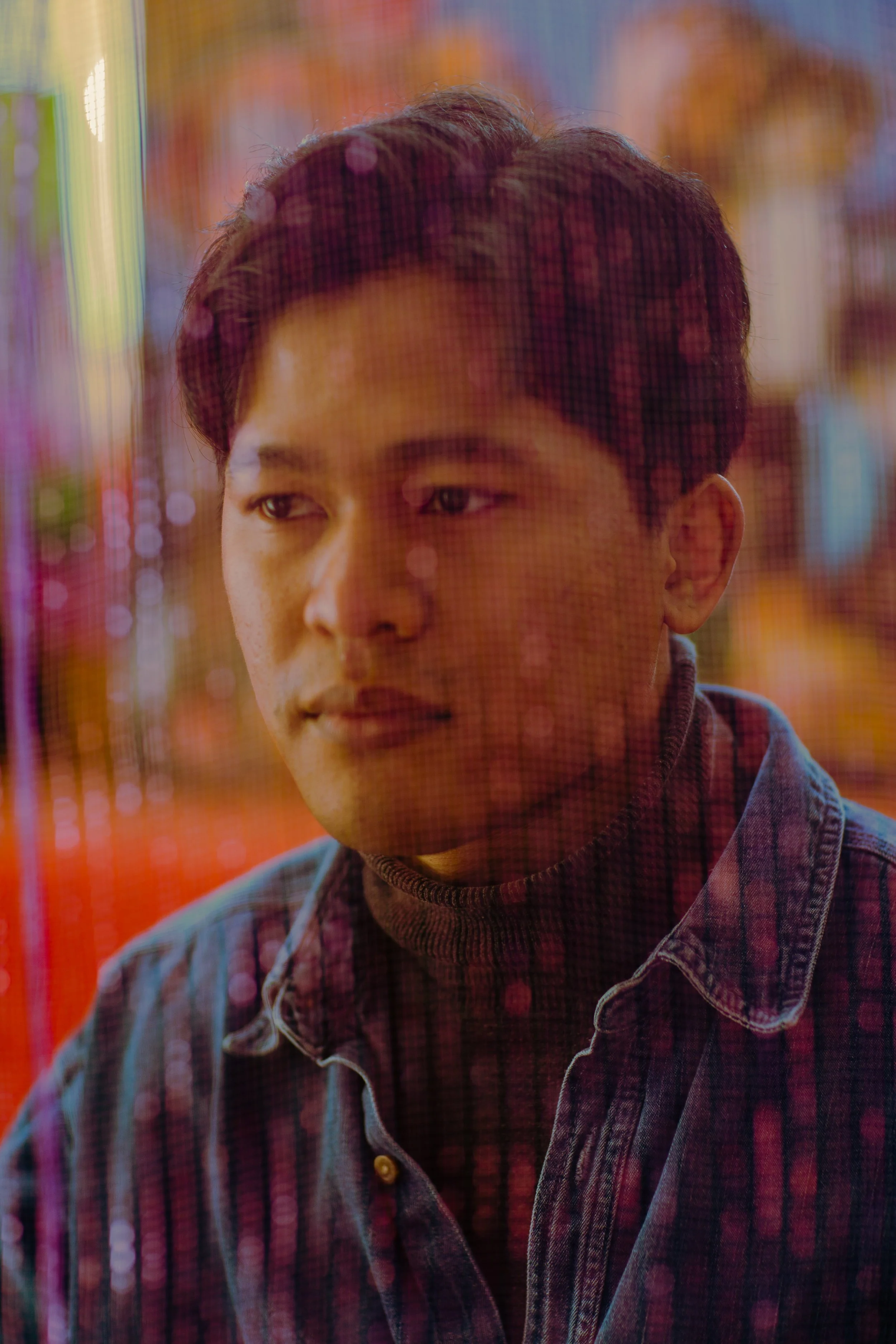
Photo by Mel Taing
Sopheak Sam (b. Khao-I-Dang, Thailand) is a Cambodian-American queer artist, writer, and researcher whose sensuous and spatial interventions distill postwar intimacies. Their expansive practice traces the afterlives and afterimages of refugeehood to grapple with fragmentary memories, histories, and spaces.
Sam's work has been exhibited nationally and internationally, including at Kalm Village (Chiang Mai, Thailand); the Minnesota Museum of American Art (St. Paul, MN); the Denison Museum (Granville, OH); Grace and Clark Fyfe Gallery (Glasgow, UK); Factory Phnom Penh (Cambodia); Ortega y Gasset Projects (Brooklyn, NY); the Ely Center of Contemporary Art (New Haven, CT); Gallery 263 (Cambridge, MA); and Midway Gallery, Boston CyberArts, and Distillery Gallery (Boston, MA).
Sam is a recipient of the Artadia Award (Boston, 2025), a U.S. Fulbright Research Fellowship (Thailand, 2022–23), and Foreign Language and Area Studies (FLAS) Fellowships in Khmer/Cambodian studies (2024–25), Cornell Council for the Arts grants (2024), among other awards. They have been an artist-in-residence at Chautauqua Institution and a Visiting Fellow in the Department of Media, Arts, and Design at Chiang Mai University. Sam holds an MFA from Cornell University’s College of Architecture, Art, and Planning and is currently based between Lowell and Jamaica Plain, Massachusetts, and Phnom Penh, Cambodia.
Yehwan Song
New York, New York
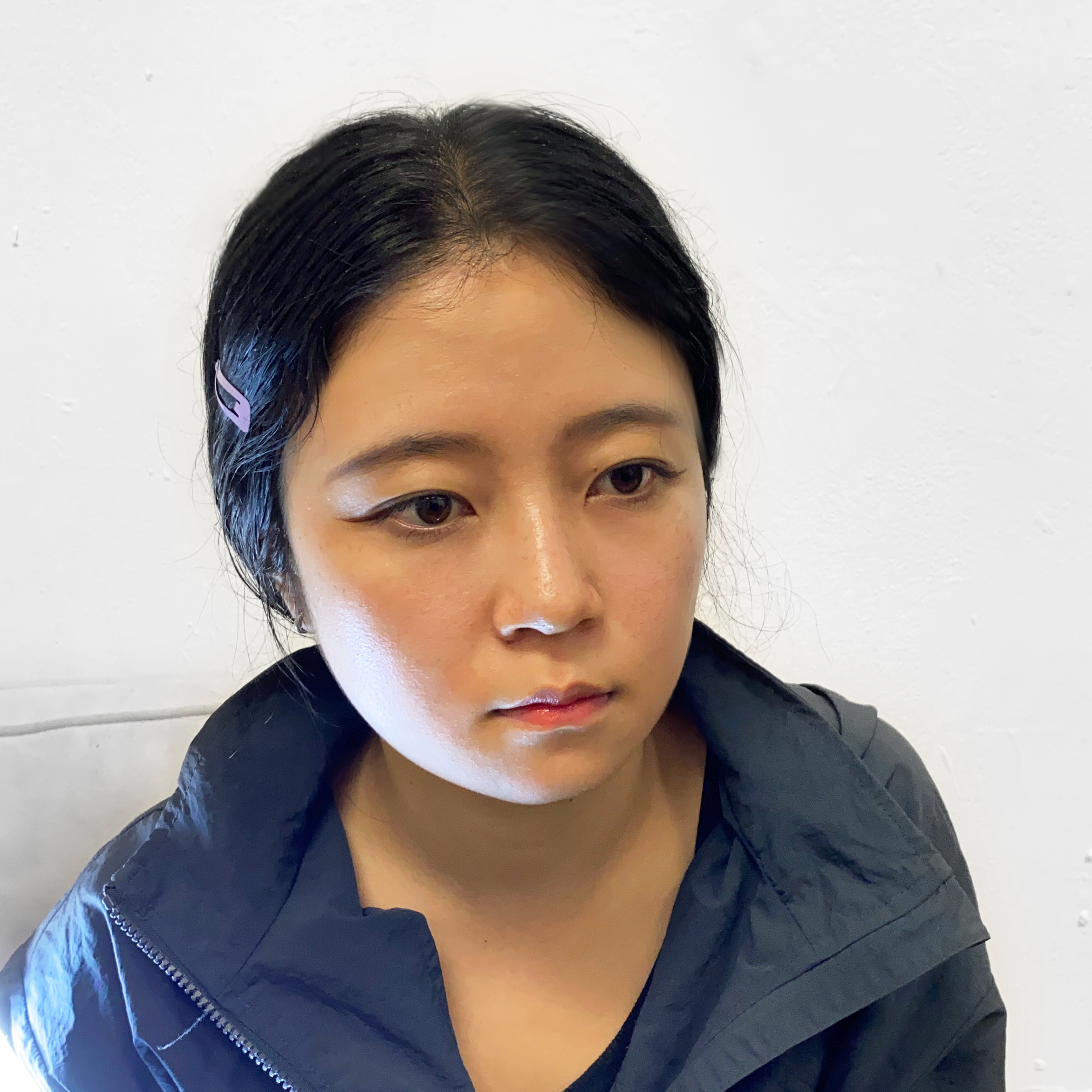
Yehwan is a Korean-born, New York–based artist who approaches the web as an infrastructure shaped by political, economic, and historical forces. Rather than treating it as neutral, Yehwan examines how interfaces, protocols, and language conceal systems of control, surveillance, and extraction driven by states and corporations.
Central to this practice is the shifting role of the “user.” Once imagined as a seeker of information, the user has been redefined through platform logic—first as a consumer, and ultimately as a source of data. Yehwan traces this transformation through the repetitive, polished logic of interfaces and concepts like the “World Wide Web,” showing how they normalize participation in opaque systems.
The work also considers regional differences. Western internet models often foreground openness and individual freedom, while East Asian ecosystems more visibly embed governance, monopolies, and social regulation into everyday use, complicating the idea of a universal web.
Across websites, installations, sculptures, and performances, Yehwan introduces subtle disruptions into seamless digital environments. These frictions make underlying structures perceptible, prompting users to recognize their position within them.
Writers
(funded by the Donald A. Pels Charitable Trust,The Leonard & Ruth Horwich Family Foundation, and an anonymous donor)
Allyson Morgan
New York, New York
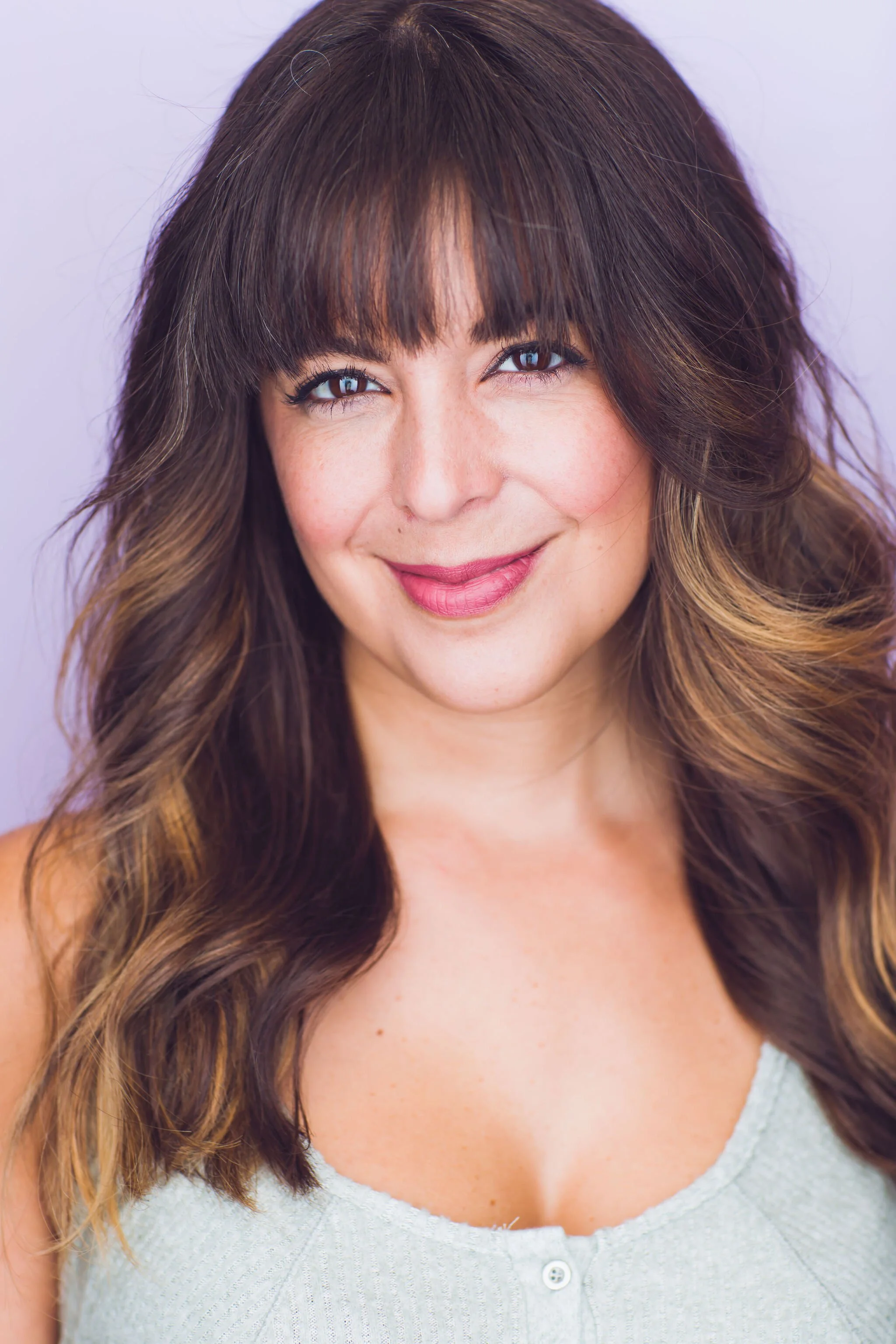
Allyson Morgan is an award-winning writer, producer, and performer. Allyson’s first short film "Need For Speed (Dating)" premiered at the Tribeca Film Festival, while her next short, "Sitting," won "Outstanding Narrative Short" at Tallgrass Film Festival. "First Date," her short film produced by 20th Digital Studio, is currently airing on Hulu in their "Bite Size Halloween" series. Allyson adapted "First Date" into a feature film for Hulu, titled "Jagged Mind," which the LA Times called “edgy” and “powerful.” Her newest short, "The Ghost," which also serves as her directorial debut, made its world premiere at the Oscar-qualifying RiverRun International Film Festival. She has also been selected for the New York Stage and Film Filmmakers’ Workshop, twice been awarded “Best Teleplay” at Omaha Film Festival, twice been a top ten Finalist for Cinequest, a Finalist at Stowe Story Labs, and a Semi-Finalist at Austin Film Festival. Additionally, she has been awarded an Ensemble Studio Theatre/Alfred P. Sloan Foundation Commission, a Djerassi Artist Residency (California), an NG Art Creative Residency (France), a Monson Arts Residency (Maine), a Vashon Artist Residency (Washington), a Wassaic Project “Haunted Mill” residency (NY), and multiple Juno Leadership Residencies through the Omega Institute (NY). Allyson has two novels, "Don’t Want To Remember You" and "The Perfect Place," currently available through Tapas Media and as audiobooks. She is represented for literary by Writ Large.
Jade Song
Brooklyn, New York
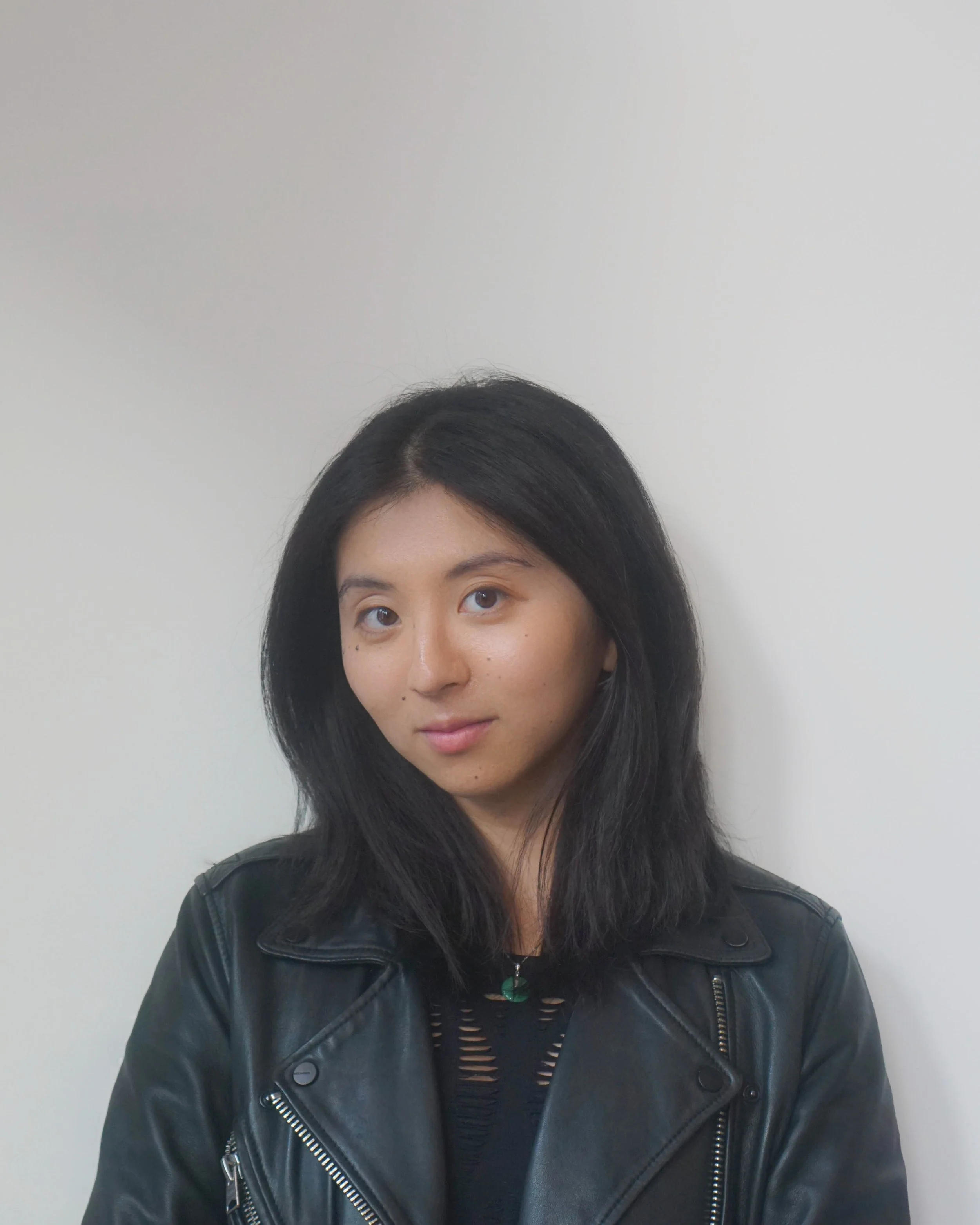
Jade Song is a writer, filmmaker, and artist. Her debut novel Chlorine was selected as a New York Times Editor's Choice and awarded the Alex Award and the Writer's Center First Novel Prize. Lauded as "visionary and disturbing," Chlorine has been translated into Mandarin Chinese, French, Turkish, and other languages. Song's second novel, I Love You Don’t Die, will be published in March 2026, and their debut short story collection, Ox Ghost Snake Demon, is forthcoming in spring 2027, both from William Morrow.
Song has received fellowships from the Vermont Studio Center, MASS MoCA, and the Black List, which selected their adapted screenplay of Chlorine for its annual Writers Lab. "Mom and Max," her short documentary film shot on iPhone about her mother and her old blind dog, was a Jury Winner at the Anchorage International Film Festival and awarded best documentary short at the Erie International Film Festival. They have taught writing at organizations like Tin House, Morbid Anatomy, and Lighthouse Writers Workshop. She pole dances and lives in Brooklyn with too many books.
Georgie devereux
Philadephia, Pennsylvania
Georgie Devereux is a writer and art educator living in Philadelphia. The recipient of an MFA in poetry from NYU, an EdM in Arts in Education from Harvard, and fellowships from The Kenyon Review, she is at work on a book-length poem set in an art museum.
New york, new york
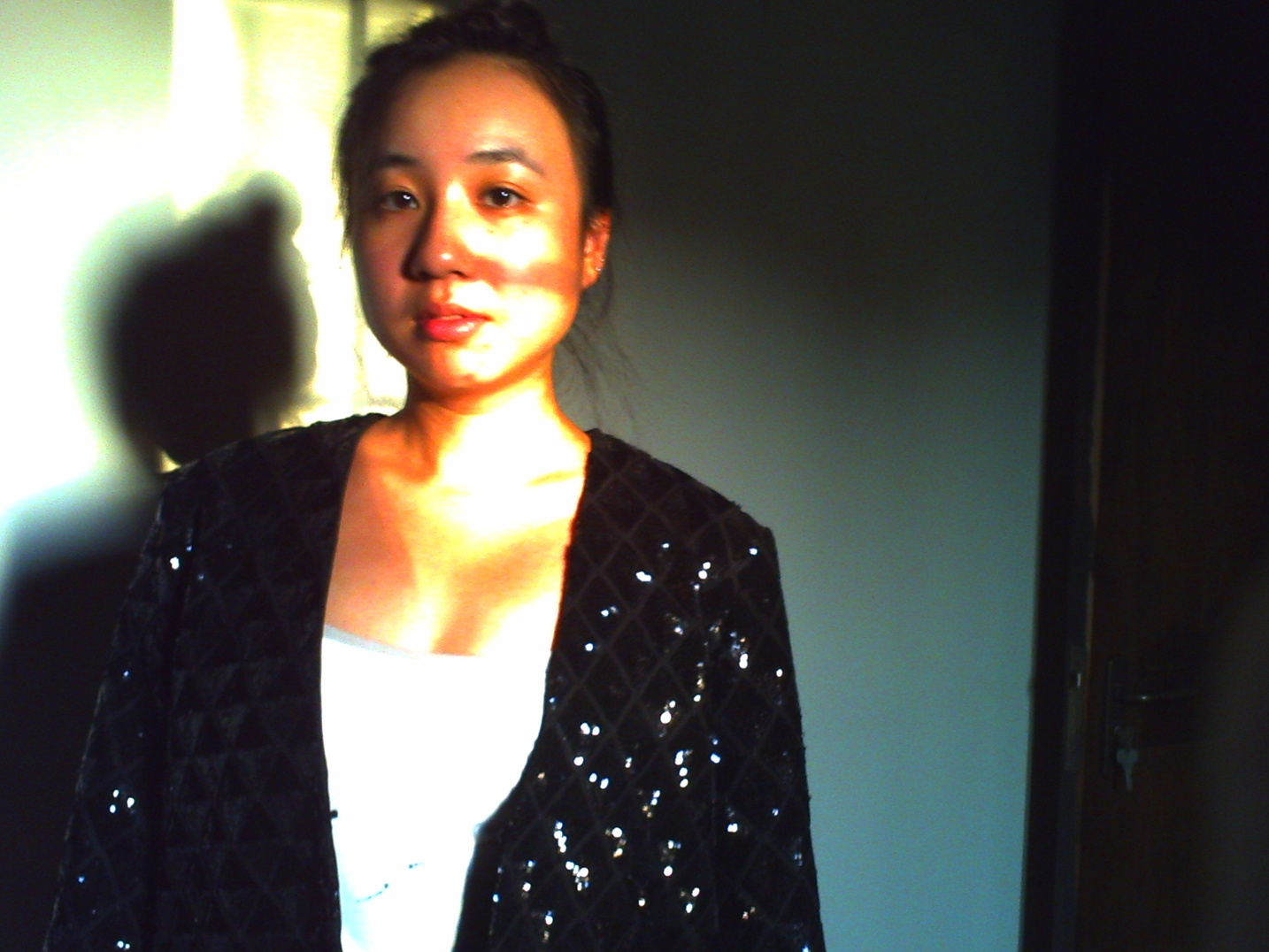
JinJin Xu 徐今今 (b. Shanghai) is a New York-based artist and poet whose docu-poetics practice employs strategies of erasure to bear witness to buried soundscapes, censored memories, and the hauntings within our most intimate relationships.
JinJin is the winner of Poetry Society of America’s George Bogin Memorial Award, and she has received honors from Southern Humanities Review, Best New Poets, the Thomas J. Watson Fellowship, the Flaherty Film Seminar, and more. In 2023, she was named by Forbes China as one of the “100 Most Influential Chinese.”
Solo shows include the How Art Museum (Shanghai), Butter Room (Macao), and Accent Sisters (New York); select group shows: Macao International Art Biennial, Shanghai Biennial Youth Curator Program, New York Immigrant Artist Biennial, and Berlin’s Harun Farocki Institute.
JinJin’s debut poetry chapbook There Is Still Singing in the Afterlife was listed by the New York Times as a part of “Read Your Way Through Shanghai.” She received her MFA from NYU, where she was a Lillian Vernon Fellow; she is currently the Moving Image Diversity Fellow at Bard College.
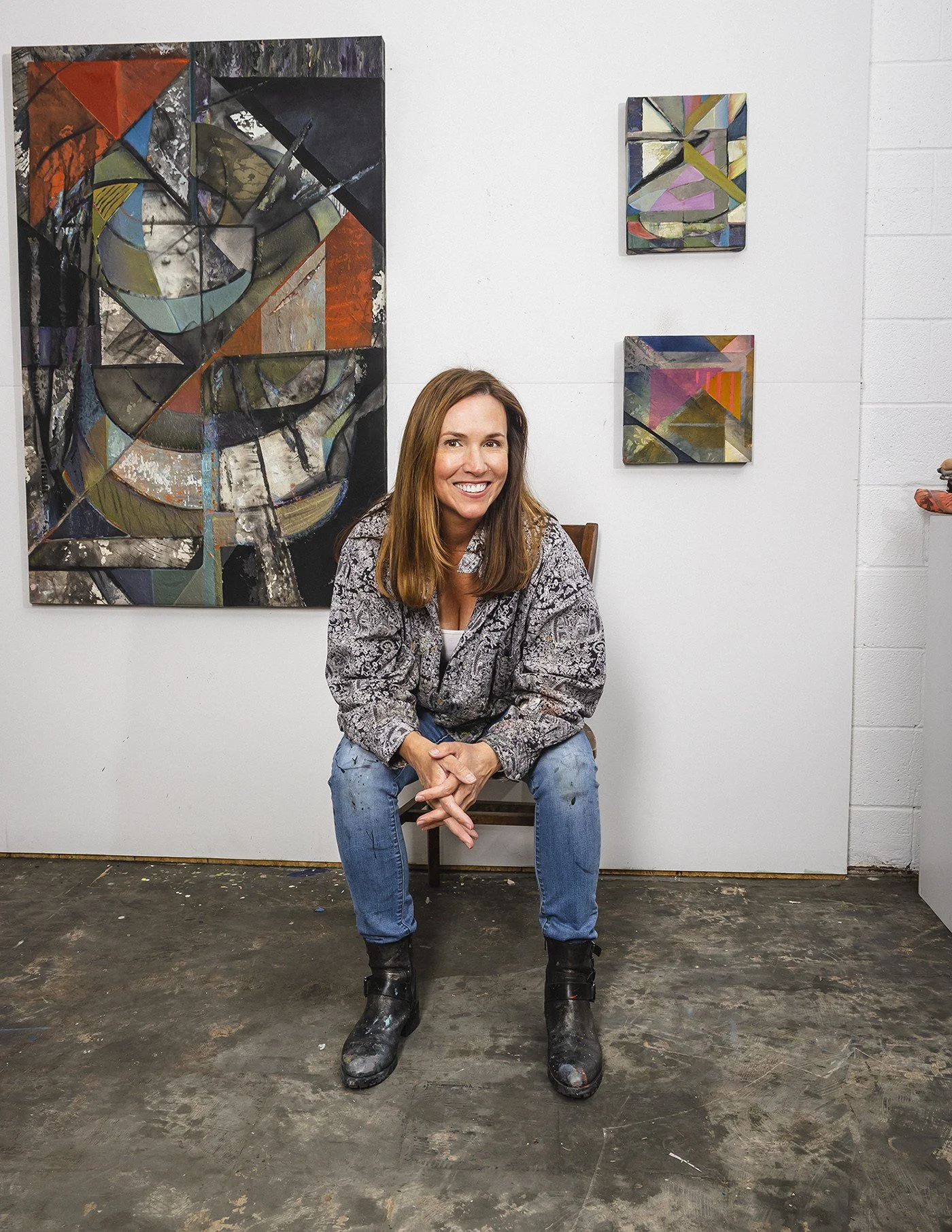
IRIS RESIDENCY FELLOWSHIP
In partnership with The Berkshire Immigrant Center
Angela chi-chi glass
Lee, Massachusetts
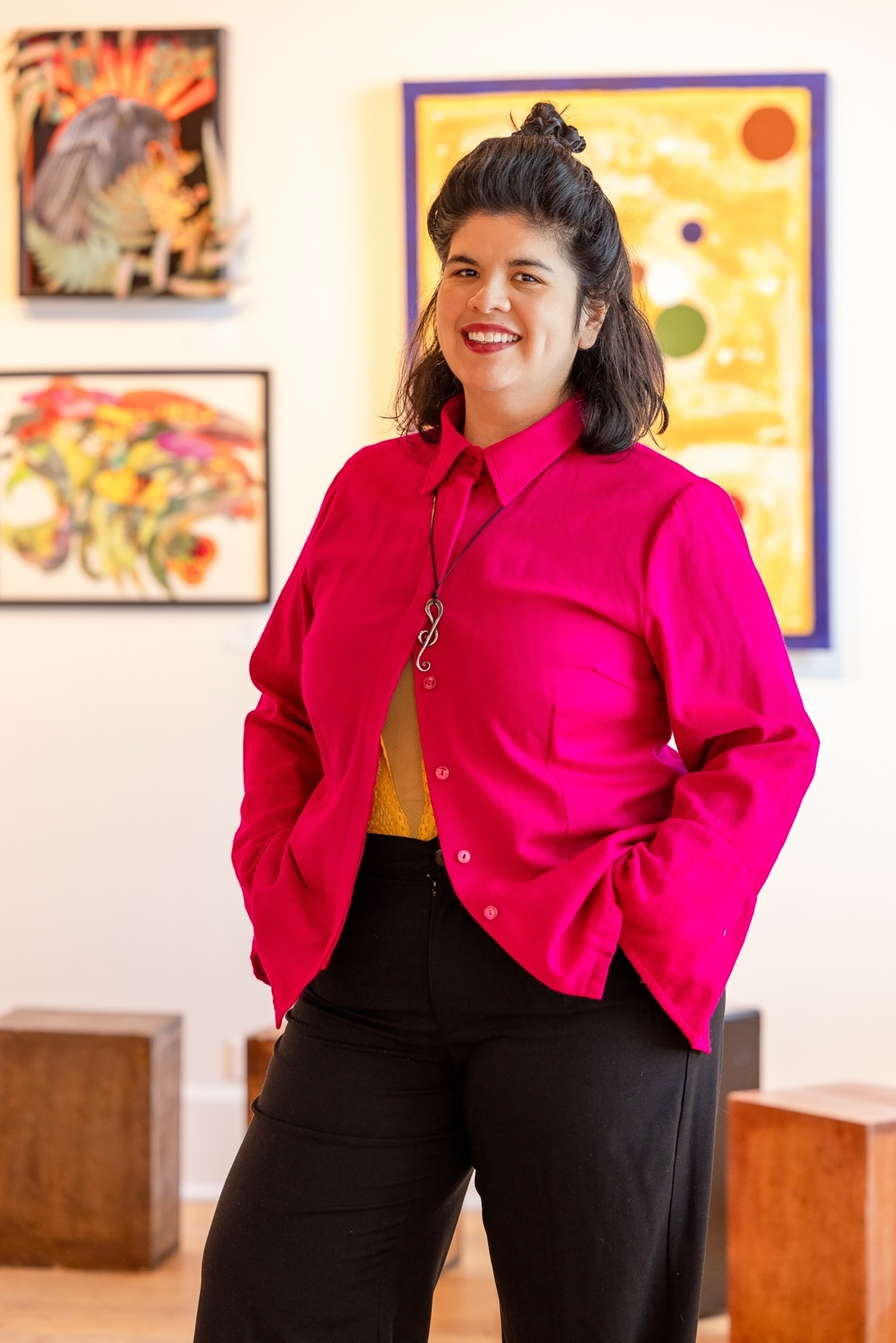
Photo by Ralph Sosa.
I am a bilingual educator, performer, and cultural worker.
My project SíncoPaz invites people to make rhythm together. The name comes from síncopa and paz, syncopation and peace. When participants enter a rhythm circle, regardless of background or experience, we often find ways to fall into sync. The project works across the Spanish-English spectrum and attends to how sound can create forms of connection that do not require shared language or formal training. I have been privileged to work with immigrant and first-generation families and students, finding that untraditional approaches can open doors that formal training sometimes closes.
SíncoPaz is informed by my family's story of migration. My grandfather was exiled from Lima, Perú for his journalism. My mother and the aunt who raised me followed that path north and built new ground. That history is present in this work. Teachers and mentors encouraged me to trust that music would guide me. That trust led me to Perú on a Fulbright, returning to my family's homeland to study Afro-Peruvian music with master practitioners Juan Medrano Cotito and Carlos Hayre, and master cajónera Peta Robles Izquierdo, who continues to guide the methodology of SíncoPaz. In Perú, the cajón is often a meeting place between musical cultures. Through this project, the cajón becomes an instrument and technology of inclusion. That genealogy now asks what it means to be a good neighbor in the place where it exists, working in community in Western Massachusetts, on land with its own long history, and alongside residents of many backgrounds who call this place home.
L'École Normale de Musique de Paris; B.A., New England Conservatory, Boston; Fulbright Scholar, Lima; M.A., Arts Administration, Baruch College, City University of New York.
Ruby Wang
Amherst, Massachusetts
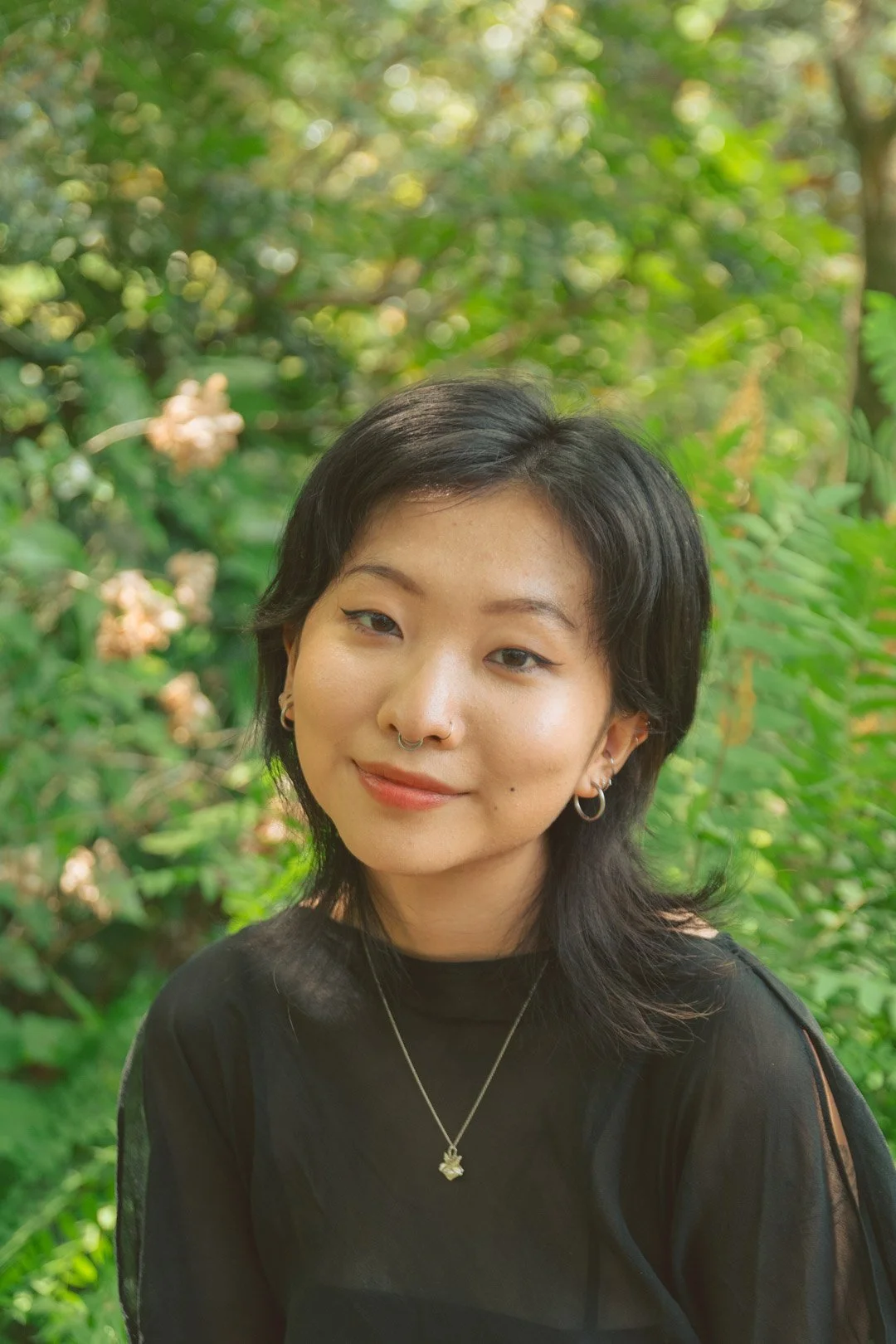
Ruby Wang is an educator and writer currently based in Western Massachusetts. Their writing pursues questions of artmaking, creation, and identity and can be read in Buckman Journal, Sine Theta Magazine, Tupelo, AMNLY, and more. They are also a contributing editor for Zona Motel.
Family residency fellowship:
In collaboration with MASS MoCA’s Public Programs and Camp MASS MoCA
Aimee Koran
Philadelphia, Pennsylvania
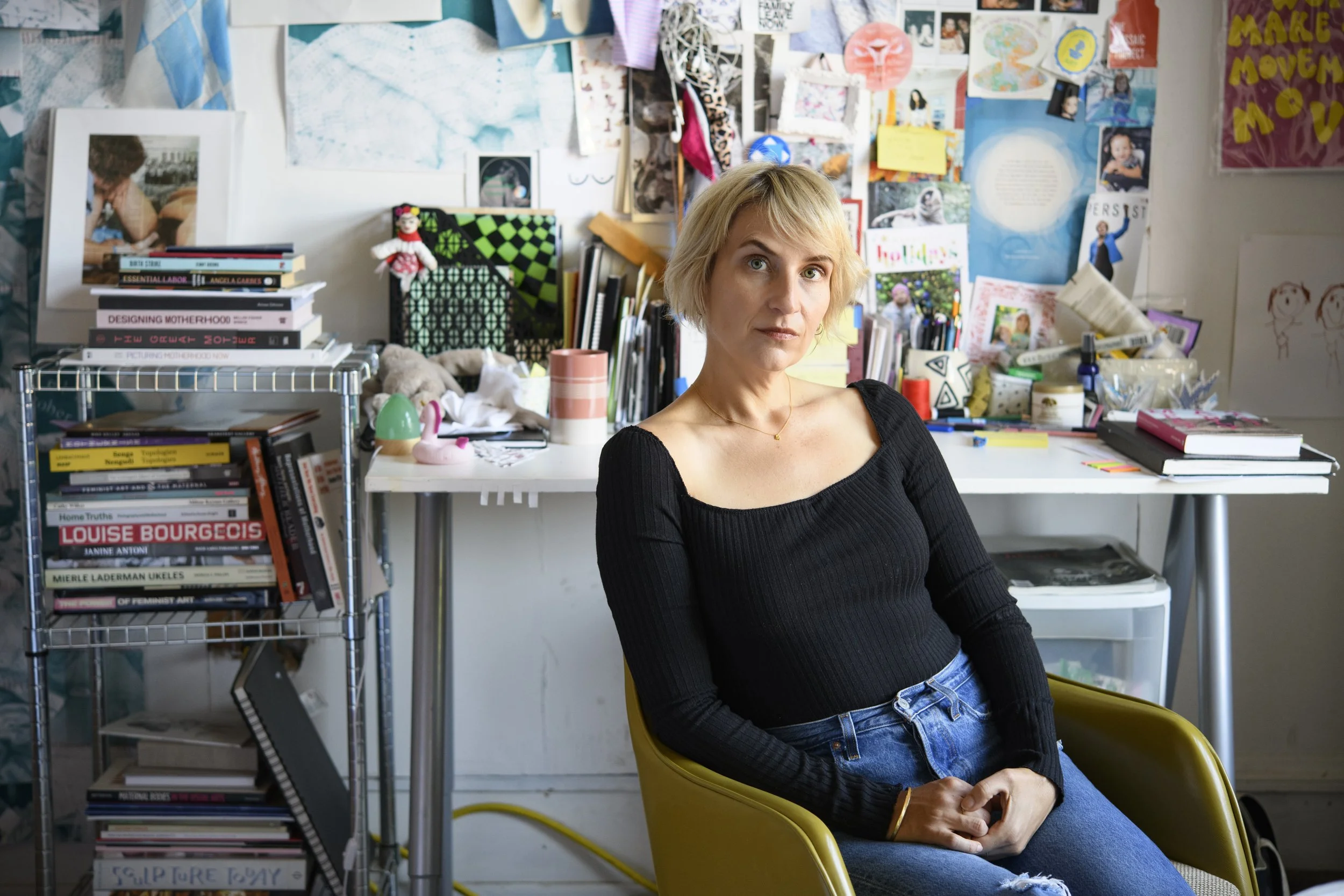
Aimee Koran is a Philadelphia-based visual artist whose practice examines invisible labor—particularly reproductive, emotional, and caregiving work—and its relationship to systems of value, power, and recognition. Working across sculpture, photography, textiles, and installation, she transforms materials drawn from domestic life, medical technologies, and institutional production to reveal the labor embedded within everyday objects. Her work situates personal materials within broader feminist, economic, and labor histories, using lived experience as evidence rather than autobiography.
Koran has exhibited nationally and internationally, including presentations at ArkDes in Stockholm and the Fabric Workshop and Museum in Philadelphia. Her work is held in public and academic collections such as the Museum of Fine Arts, Boston, and the University of Pennsylvania. Deeply informed by Philadelphia’s legacy of women’s labor, textile production, and union organizing, her practice engages intergenerational histories of making while addressing contemporary debates around reproductive labor, bodily autonomy, and the care economy. Through sustained, research-driven inquiry, her work challenges the separation of private and public labor, asserting care as political infrastructure and a critical site of cultural meaning.
Scott Horsley
New London, New Hampshire
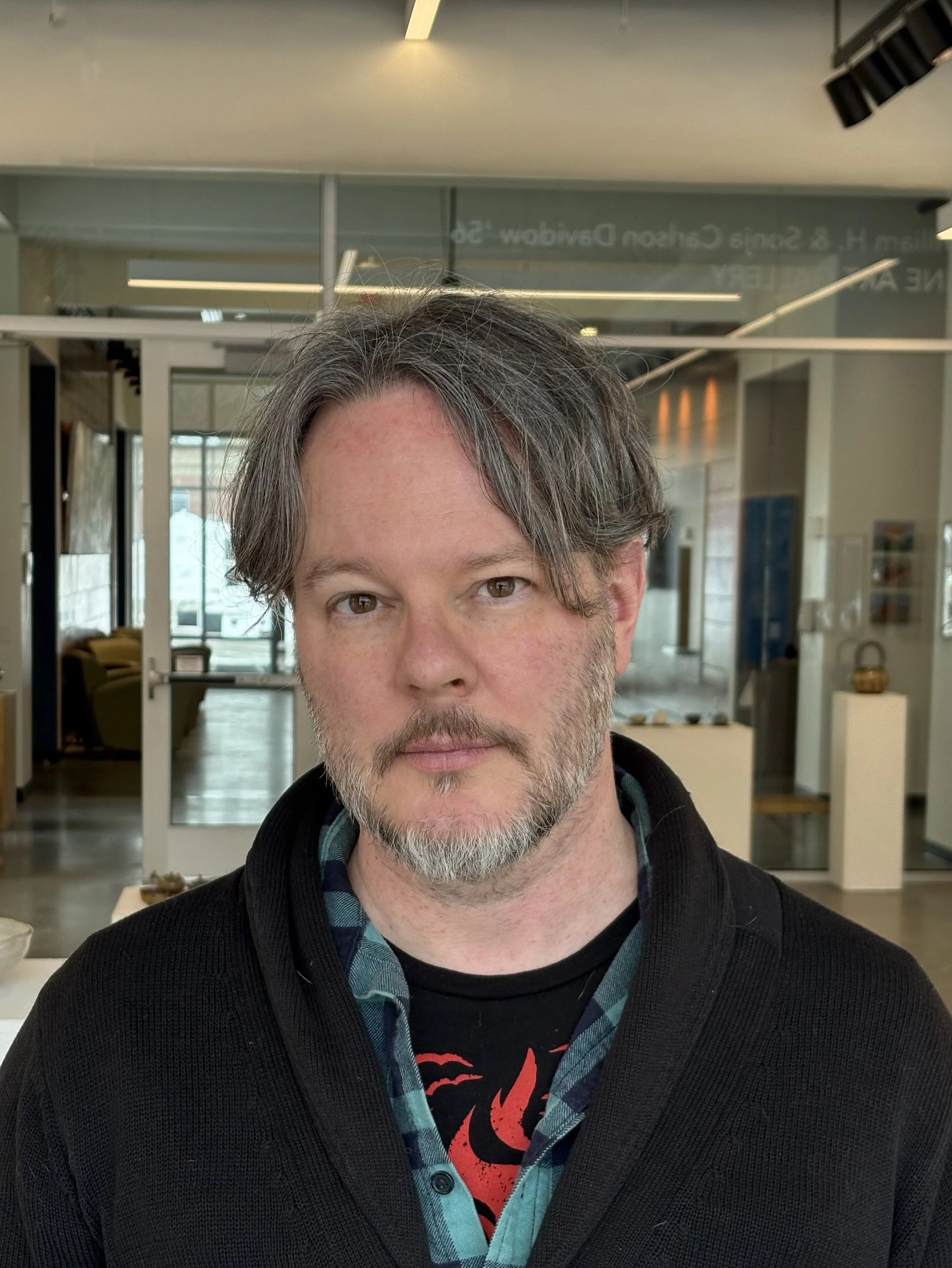
Scott Horsley’s (b. 1977, New York) painting and drawing-based research practice looks at the different ways that information technologies affect our contemporary media and political landscapes. Right now, misinformation, disinformation, outright lies, stewing conspiracies, and technology-based emergent social behaviors collude to write and rewrite history in real time, producing a series of overlapping, contradictory narratives.
In response to conspiracy theories, originally spread through obscure online message boards, but now a major part of the public discourse, Scott employs gestural abstraction—an honest record of the painting process—reproduced as layered fictions, and deceptive translations. In his work, gestures and marks that appear first in paint, repeat themselves in graphite, in colored pencil, in paint again. Sometimes the handmade reproductions are fastidious, only changing mediums or color. Other times, iterations mirror and mutate in intentionally deceptive ways, duplicating, disappearing, or distorting elements.
Horsley holds an MFA from UC San Diego, and a BFA in painting from the Rhode Island School of Design. He has shown nationally, with gallery exhibitions in Los Angeles, Chicago, Salt Lake City, and San Diego, and in museum exhibitions at the Utah Museum of Contemporary Art and the Harn Museum of Art in Florida. The recipient of a year-long fellowship at UMoCA, Scott Horsley is currently an associate professor of art at Colby-Sawyer College in New Hampshire.
Sandra Erbacher
Providence, Rhode Island
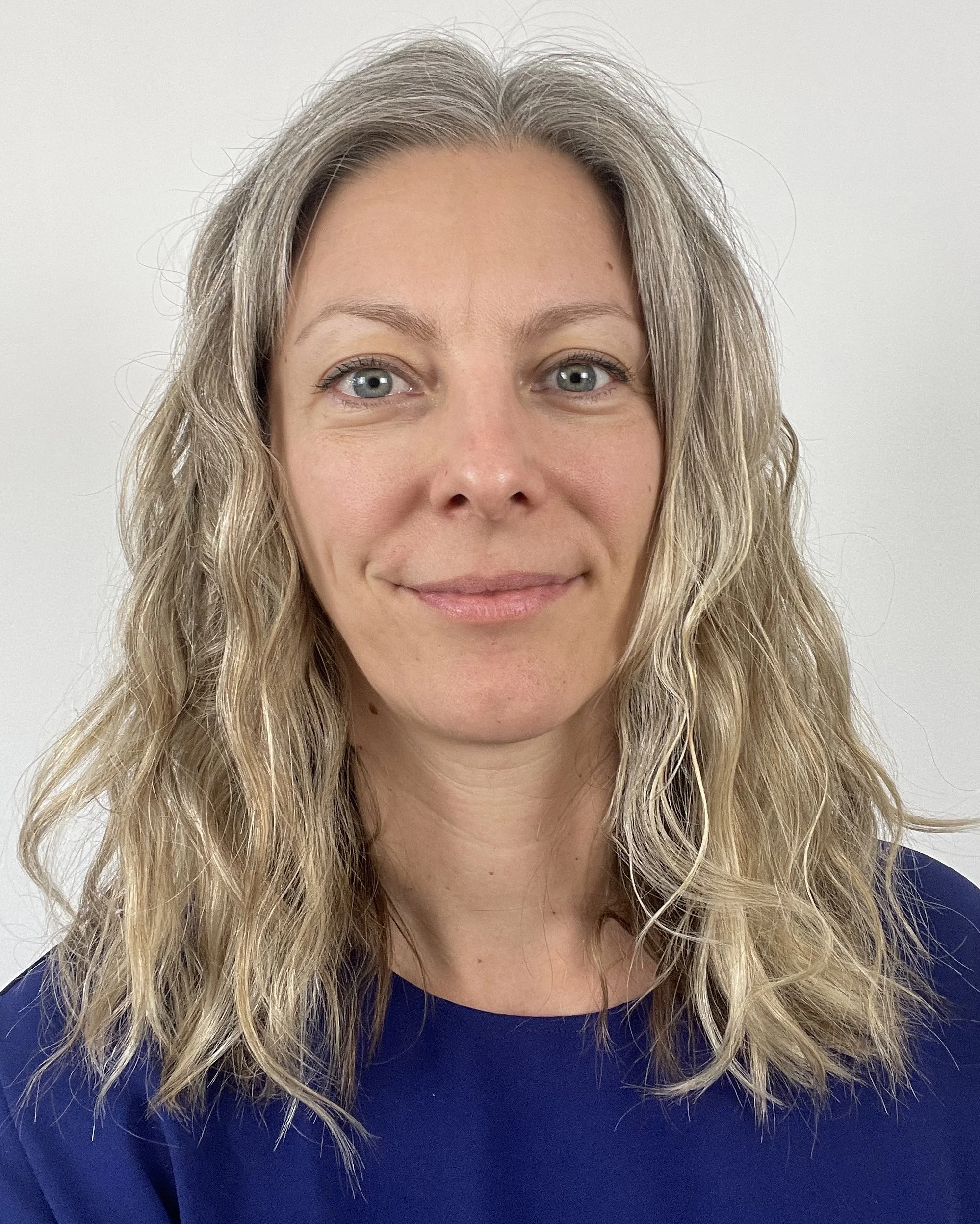
Sandra Erbacher is a German-born artist and educator based in Providence, RI. Her interdisciplinary practice examines how institutions produce, preserve, and legitimize knowledge. Working across photography, installation, performance, and artist books, Erbacher approaches archives not as neutral repositories but as contested sites where power becomes visible through systems of classification, bureaucratic language, and visual order. Rather than reconstructing the past, she uses archival materials to unsettle dominant narratives and challenge the structures that sustain them.
Central to Erbacher’s work is political montage—the critical assembly of text and image drawn from sources such as eugenics records, immigration files, scientific charts, and political rhetoric. Originally designed to categorize and control, these fragments are reconfigured through juxtaposition, erasure, and recontextualization to destabilize authority and expose the violence embedded in claims of objectivity.
Photography functions in her work not as representation but as a technology of classification and surveillance. Archival photographs—medical portraits, identification images, diagrams—are treated as ideological artifacts and manipulated into sites of friction where institutional logic begins to falter. Language likewise becomes material: policy texts, legislation, and institutional documents are performed aloud, amplifying their rhetorical contradictions.
Erbacher’s installations evoke bureaucratic architectures recast as institutional stage sets. Moving through these environments, viewers are drawn into systems of order that shape collective experience. Her work resists resolution, instead proposing rupture and opening history as a site of struggle, reflection, and critical intervention.
University Fellowships:
(In partnership with the following universities):
olivier x
Maine college of art & design
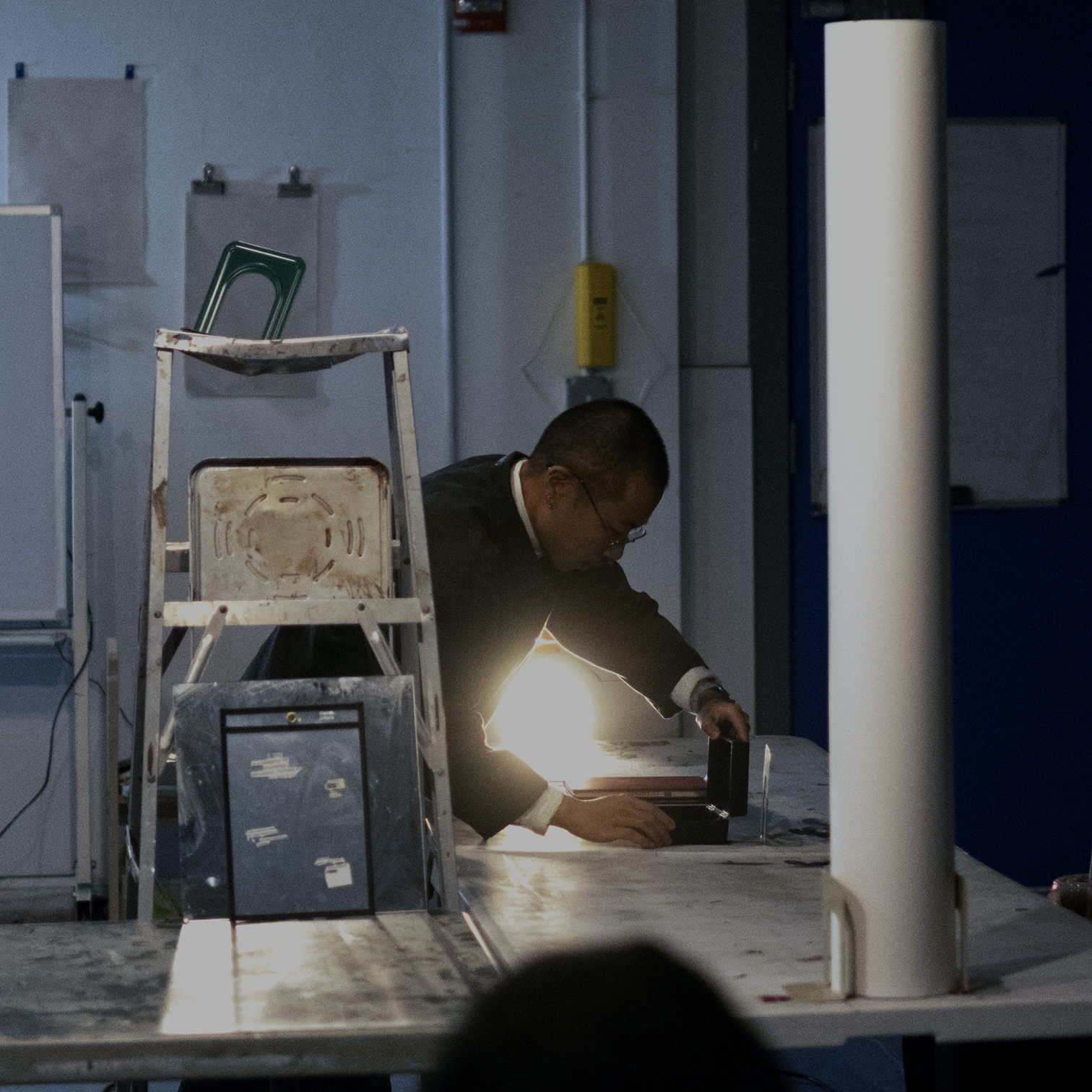
Photo by Laurel Hauge
olivier is an artist and cataloguer.
They find pleasure in copy-and-editing with participatory installation, drawings, videos, sutures, artists’ publications, surveys, speculative writing, etc., and have a secret mail-art practice. As an exiled person toying with “languaging”, they consider their practice rooted in the ephemerality and the anarchival. They consider their medium as “re-reading”, unfolding in the creases of “para-” and “trans-” ness.
olivier has lectured, performed, exhibited, and published internationally in institutions such as the Poetry Foundation and Joanne Waxman Library, museums including Hammer Museum and Hong Kong Arts Centre, and artist-run spaces including in Chicago, New York City, Maine, and London…and perhaps your dream state. Their ideal exhibiting space is a playground.
Working as a processing archivist, olivier is also an adjunct assistant professor and artists’ assistant. They are the founder of a speculative UFO archive The UFO Lobby (2021–). olivier holds an MFA in Studio Arts from the University of Illinois Chicago and an MA in Visual and Critical Studies from the School of the Art Institute of Chicago. Born and raised in British Hong Kong, olivier and their time machine are temporarily stuck in this dimension. So it goes…
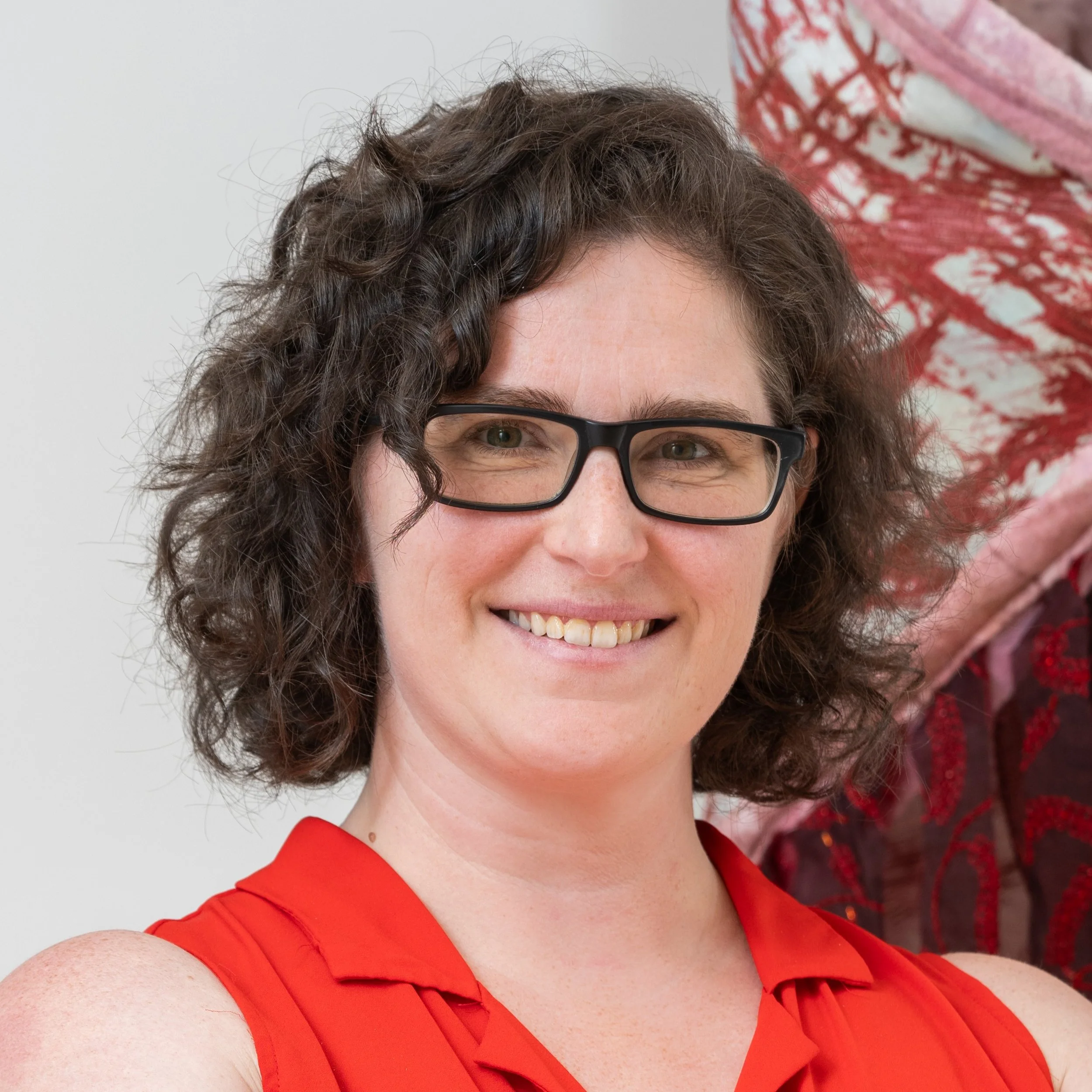
Karen Middleton is a fiber artist based in Richmond, Virginia. A U.S. Army veteran, she holds a B.A. in Anthropology from the University of Maryland and an M.S. in Textiles from North Carolina State University. She is pursuing an MFA in Studio Art at the Maryland Institute College of Art, graduating in 2027. Her work has been exhibited nationally, including at the Delaplaine Arts Center (MD), the Imperial Centre (NC), the Joseph Gross Gallery (AZ), Las Laguna Gallery (CA), and theBlanc Gallery (NY). Her quilts have also been displayed at the Residence of the Ambassador for the European Union to the United States, and she has received awards through the National Veterans Creative Arts Competition.
Rooted in lived experience, Middleton’s work examines subtle, everyday pressures enacted through behavior, language, and systems of control. The violence she explores is restrained and often invisible, shaping how people move without leaving marks. She focuses on proximity and what it means to live with force that is anticipated, absorbed, or contained. Working with quilts, a medium historically linked to care and domestic labor, Middleton treats softness as structure rather than symbol. Through perforation, sculpture, and installation, she examines how textiles function as engineered systems. Quilts, disciplined and rule-bound, become sites where function operates as both cover and canvas, offering a rebellion for the unseen. Drawing on her military experience, Middleton's practice exists in liminal spaces between feminine and masculine, domestic and militarized, and handmade and industrial, to build works that embrace contradiction rather than resolve it. Community, care, and resilience emerge not as ideals, but as conditions negotiated under constraint.
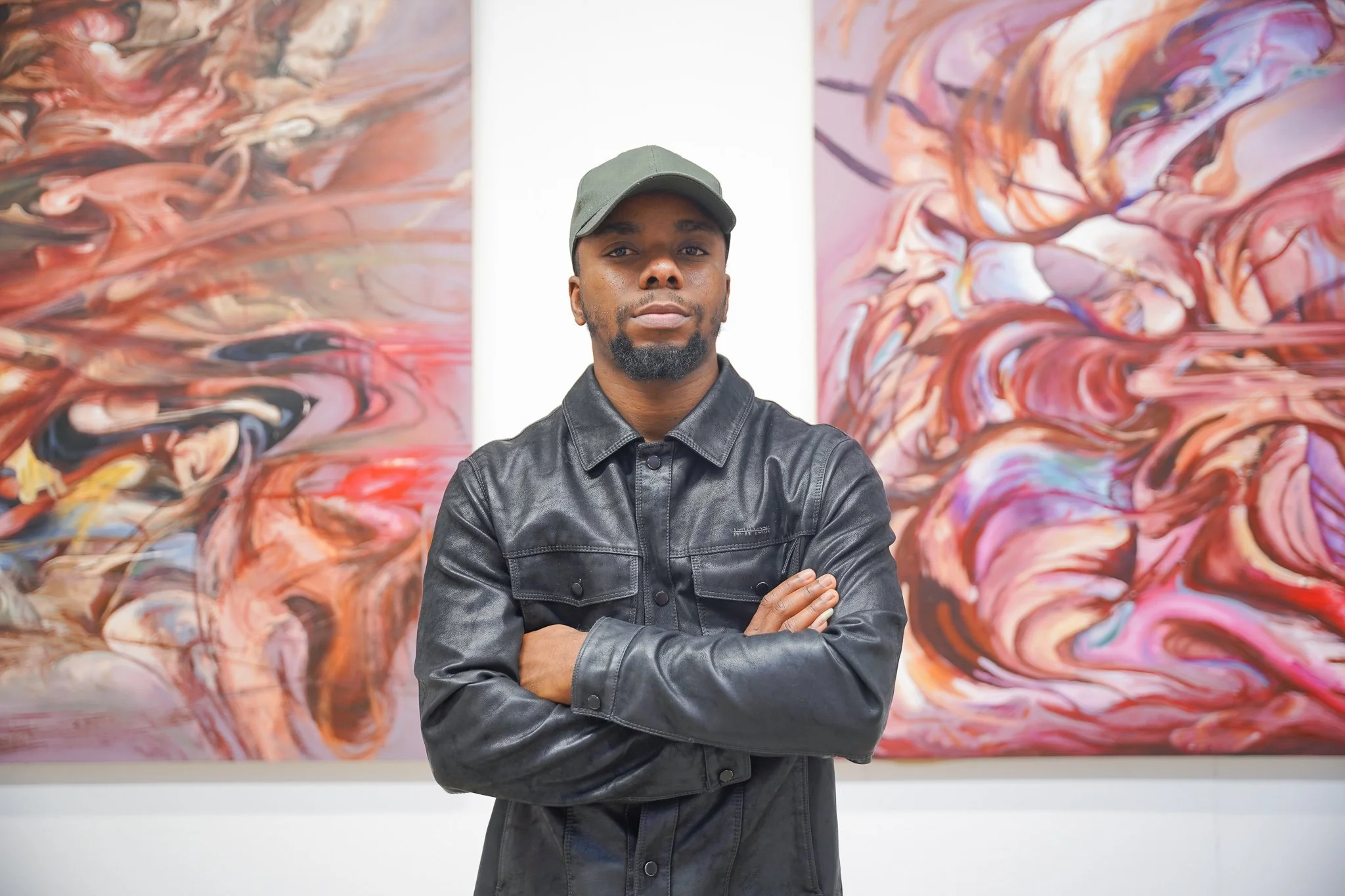
Victor Olaoye Emmanuel lives and works in Chicago, USA. He holds a BA (Ed.) in Fine and Applied Arts from Obafemi Awolowo University, Nigeria, and is completing an MFA in Painting and Drawing at the School of the Art Institute of Chicago (2026).
Victor’s work investigates cycles of growth, transformation, and metamorphosis, drawing on formative experiences tending banana plants on his family farm in western Nigeria. His painterly practice fuses human, botanical, and imagined forms into hybrid compositions, exploring the interconnections and tensions between life, death, and regeneration within the Anthropocene.
He has received numerous awards and fellowships, including the Roger Brown Award (2025), the New Artist Fellowship Award (2024), the Dean’s Grant SAIC (2024) , Visionary Scholar Award at School of the Art Institute of Chicago , the Elizabeth Greenshields Foundation Grant (2024), the Tilga art fund Rele (2021) the El Anatsui LIMCAF Grant Award (2021). His work has been featured in Vogue, Juxtapoz, Guardian Art, and Yahoo, among others.
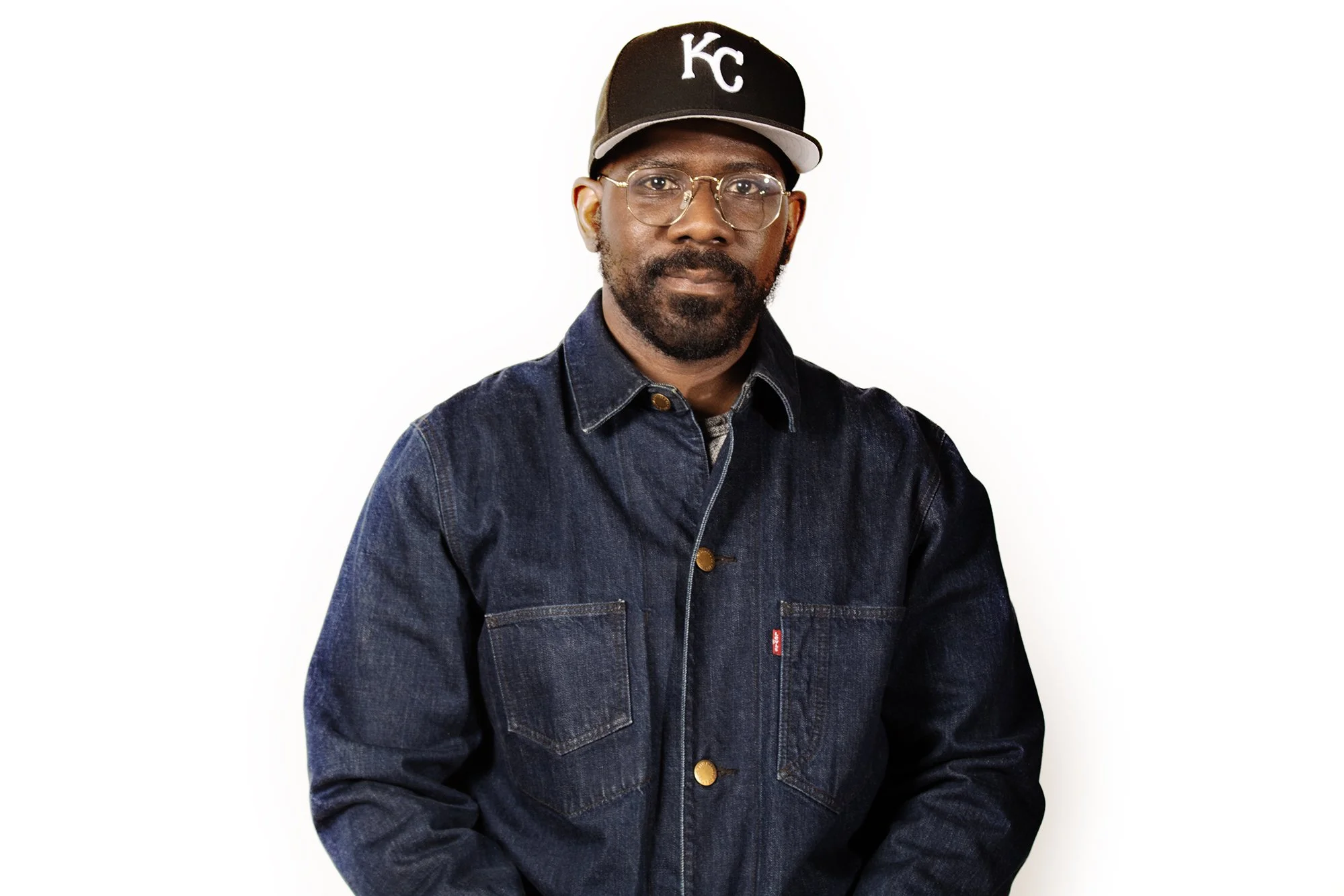
My work explores the abstractions that underlie modes of Black cultural production. Engaging with ideas of Utopia, Opacity, and Afrofuturism, my practice interacts with concepts and communities across time, always seeking to deconstruct the notion of a singular Black experience. I challenge monolithic definitions of Blackness by examining histories and countercultural efforts to collectively actualize alternative ways of becoming.
Through photography, sculpture, video, and installation, I explore interactions across differences. I utilize various media, including sampled or found video footage and materials imbued with cultural specificity. I create works that serve as viewfinders to other worlds. Central to my practice is the question of what it means to be human in contemporary society. By drawing forward imaginings of the future, my work continues to engage with liberation as an ongoing framework for exploration and transformation.
My studio practice centers on lens-based investigations within the expanded field. In the studio, I print images onto unorthodox surfaces, create multi-modal frames, and manipulate substrates, translating flat images into spatial forms. I combine digital and analog manipulation and video projection to disrupt photographic continuity. Across mixed media processes, I examine how images shift when pulled into three-dimensional space, becoming tactile artifacts within contemporary culture.
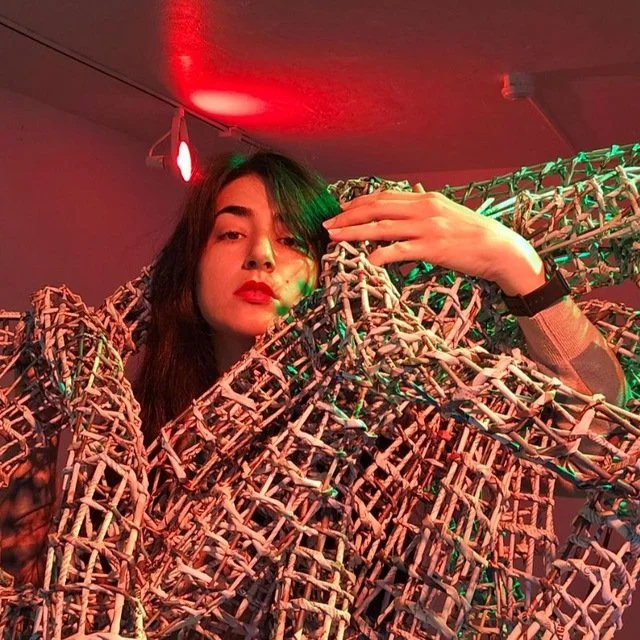
Parisa Garazhian is an interdisciplinary artist and MFA candidate at the University of Oregon. Her practice moves across installation, material exploration, and performance, creating immersive environments that engage with social, cultural, and political critique. Through her work, she reflects on memory, lived experience, and the subtle tensions between personal and collective narratives.
Fatima Kaleem
virginia commonwealth university
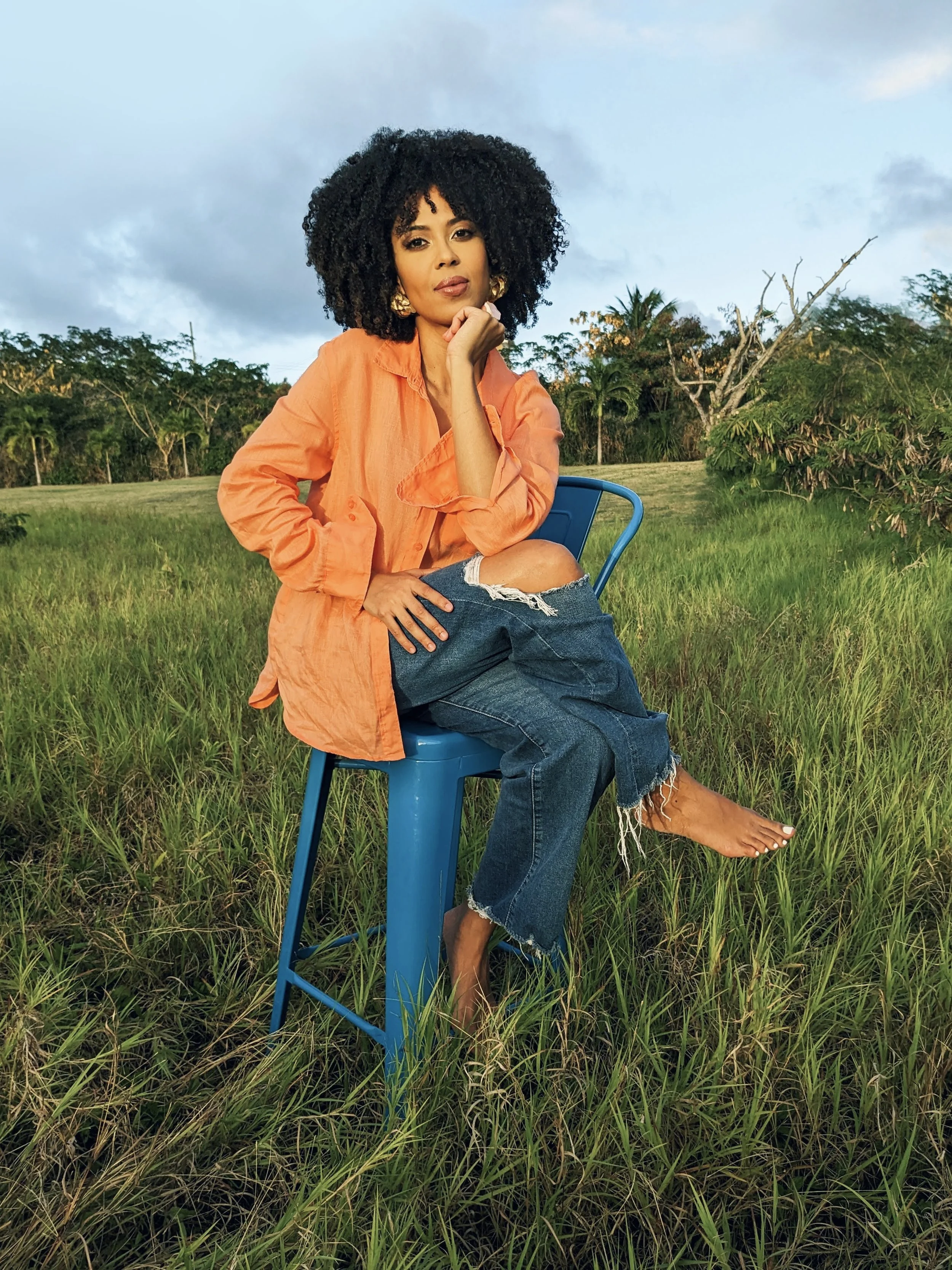
Taisha Carrington’s work traces parallels between deep time, the micro-macro movement of particles in bodies of air or water, and the geopolitical conditions of Caribbean microstates—particularly her native Barbados. She studies how humans migrate and adapt by observing how non-human organisms do the same in nature. Viewing materiality as both method and theory, she works with soil, ocean water, sweat, sand, plants and sound to surface narratives embedded within their material properties. Her research takes form through sculpture, performance, installation, painting, and video.
Her work can be found in the collections of The Dallas Museum of Art and the Stewart Program for Modern Design in Montreal. She has exhibited works in the United States, Aruba, Canada, Germany, Switzerland and Barbados and has participated in residencies including Pratt>Forward and Caribbean Linked x BIAC Reseaux Bienal in Martinique. Taisha has presented talks and workshops with several institutions including the Yale Centre for British Art, Museum of Art and Design NY, United Nations Development Program Barbados, Metropolitan State University Denver, Walkers Institute for Regenerative Research, Campus Caraïbéen des Arts and Central Saint Martins- University of the Arts London. Taisha was the inaugural Fellow in Residence at Rhode Island School of Design (RISD) Jewelry and Metals department in 2024 where she taught and carried out artistic research. She received a Bachelor of Fine Arts from Pratt Institute (2018) and is currently pursuing a Masters of Fine Arts at Yale University (2026).
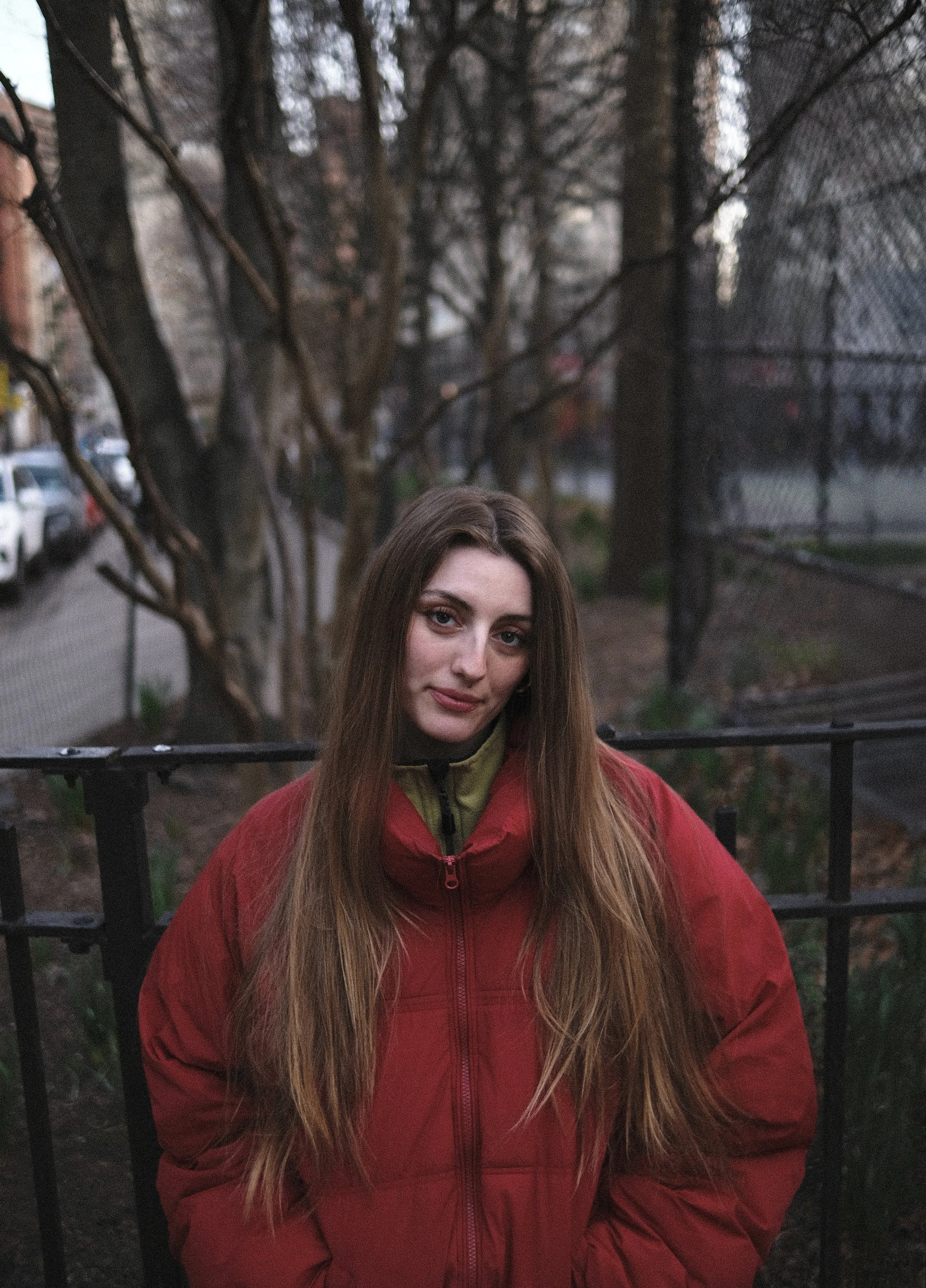
We design to shape our world, and in return our environments shape us; influencing our relationship to place, to one another, and to the systems that sustain us. Boundaries built between nature and infrastructure, permanence and decay, disrupt the flows that support life.
My work provokes dialogue between people and place, asking what it means to belong to, and be shaped by, an environment.
I make installations and objects that challenge traditional boundaries of nature and the constructed world. Environmental interventions that are alive, ephemeral, and responsive: creatures and structures that sprout, sag, and decompose. These works are not static, but curious organisms, soft-bodied and sun-seeking.
Rooted in regenerative design and systems thinking, I explore how organic and inorganic materials can collaborate to form site-specific architectures that are evolving. Transformations that speculate futures and histories shaped by reciprocity, care, and impermanence.
Working collaboratively with creatives across disciplines, makers, and communities; I design for speculative futures, where architecture functions as a dynamic, responsive, playful participant, embracing complexity.